





19 Apr Polarization in Media and Its Effects on Perception
Polarization in Media: A Deep Dive into Its Impact on Public Perception
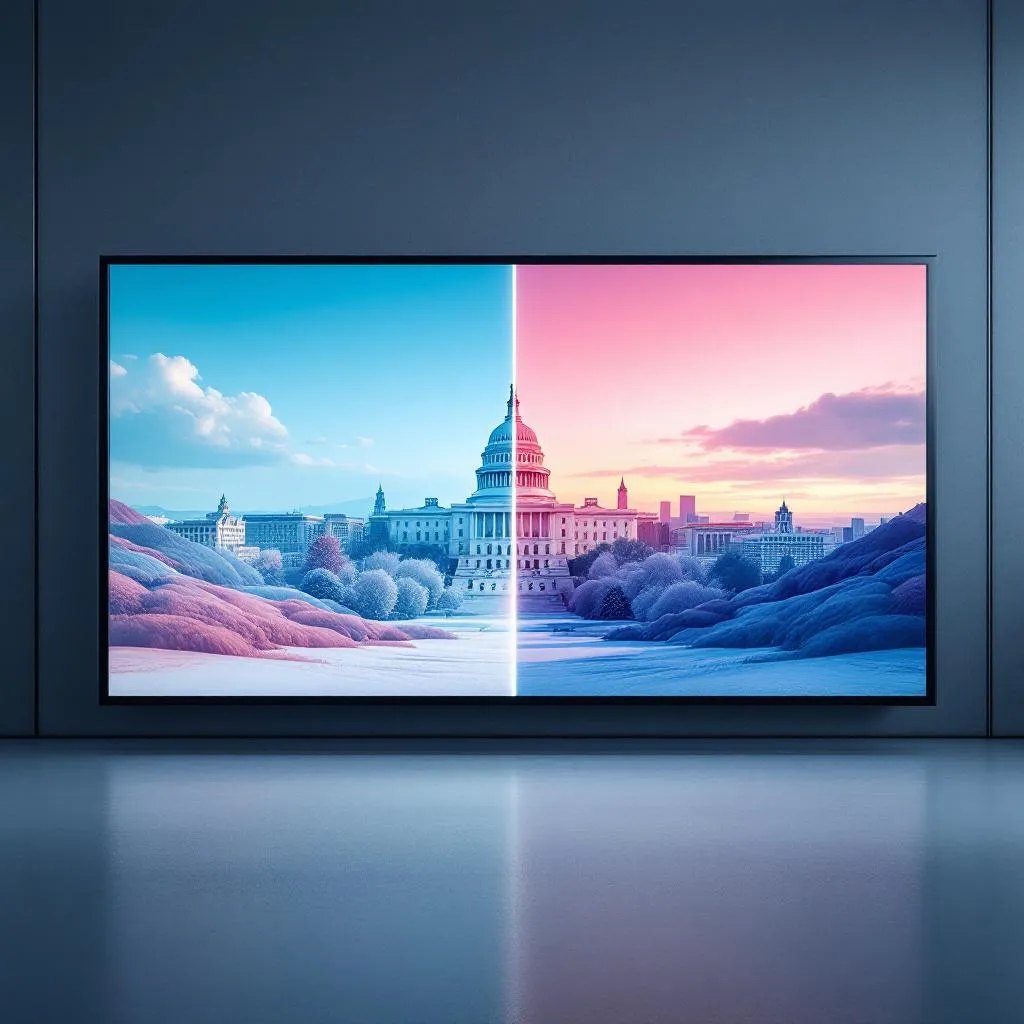
Polarization in media is the growing divide in media content that reinforces extreme viewpoints, affecting public perception and political discourse. This phenomenon has intensified in recent years, leading to fragmented audiences and a rise in echo chambers. As a result, individuals are increasingly exposed to information that aligns with their pre-existing beliefs, while dissenting perspectives are often disregarded. This shift poses significant challenges to informed decision-making and civil discourse.
The influence of media on public perception cannot be overstated. Major networks and digital platforms play a crucial role in shaping the narratives that dominate public consciousness. For instance, the portrayal of conflicts, such as the Iran conflict, can significantly sway public opinion and policy decisions. The framing of events, the selection of experts, and the omission of certain viewpoints all contribute to the way issues are perceived by the public.
The Role of Media Framing in Shaping Narratives
Media framing is the presentation of information in a way that emphasizes certain aspects while downplaying others. This technique is used to guide audiences toward particular interpretations or conclusions. For example, the portrayal of political alliances can be framed as strategic partnerships or opportunistic maneuvers, depending on the outlet’s agenda. This selective emphasis influences the perception of political figures and their motives.
Furthermore, the rise of digital media has led to an abundance of information, making it challenging for individuals to discern fact from opinion. This environment has given rise to the phenomenon of “signal vs. noise,” where important information is drowned out by sensationalist content. Understanding how to navigate this landscape is crucial for fostering independent thought and critical analysis.
Encouraging Independent Thought in a Polarized Landscape
Independent thought is the ability to analyze information critically and form one’s own conclusions, free from external biases. In today’s media landscape, promoting independent thought requires a conscious effort to seek out diverse perspectives and question dominant narratives. Platforms like Purple Voice aim to facilitate this process by presenting overlooked viewpoints and challenging conventional thinking.
As a society, encouraging media literacy is essential to counteract the effects of polarization. This involves teaching individuals to evaluate sources, recognize bias, and engage with a variety of viewpoints. By fostering these skills, we can empower individuals to make informed decisions and contribute to a more balanced public discourse.
What is media polarization?
Media polarization is the division in media content that reinforces extreme viewpoints, leading to fragmented audiences and echo chambers.
How does media framing affect public perception?
Media framing emphasizes certain aspects of information while downplaying others, guiding audiences toward specific interpretations and influencing public perception.
Why is independent thought important in a polarized media landscape?
Independent thought allows individuals to critically analyze information and form their own conclusions, countering the effects of polarization and promoting informed decision-making.
How can we encourage media literacy?
Encouraging media literacy involves teaching individuals to evaluate sources, recognize bias, and engage with diverse viewpoints, fostering a more balanced public discourse.
No Comments