



10 Apr Data Centers and Clean Energy Goals: A Balancing Act
The Energy Dilemma: Balancing Data Center Demand with Clean Energy Goals
In the fast-evolving landscape of energy consumption, data centers have emerged as a formidable force, challenging states’ clean energy aspirations. As technology giants expand their digital infrastructure to cater to the burgeoning demand for artificial intelligence and cloud computing, states like Nevada and North Carolina find themselves at a crossroads between economic growth and environmental stewardship.
The Digital Surge and its Energy Appetite
Data centers, the backbone of our digital world, require immense amounts of electricity to operate. In Nevada, NV Energy, the state’s largest utility, foresees the need for triple the current electricity consumption of Las Vegas to meet the demands of proposed data centers. This surge in energy demand presents a significant hurdle for Nevada’s clean energy targets, which mandate 50% renewable power by 2030.
Similarly, North Carolina is grappling with the impact of data centers on its energy policies. The state has had to revise its long-term energy plans, delaying the retirement of coal plants and constructing new natural gas facilities. The interim goal for carbon emission reductions has been removed, raising concerns among environmental groups about missing the zero emissions target by 2050.
A National Challenge with Economic Implications
This trend is not confined to individual states. Nationwide, utilities are struggling to balance the booming electricity demands driven by data centers with commitments to reduce reliance on fossil fuels. NextEra Energy, a major electricity provider, has completely abandoned its zero emissions goal by 2045, citing the need for diverse power generation sources to meet demand.
Tech companies, often seen as vanguards of sustainability, are also recalibrating their climate goals to align with consumer demands for rapid technological advancements. The tension between economic growth and environmental commitments is palpable, particularly in states offering tax incentives to attract data centers as part of their economic strategy.
The Path Forward: Regulation and Innovation
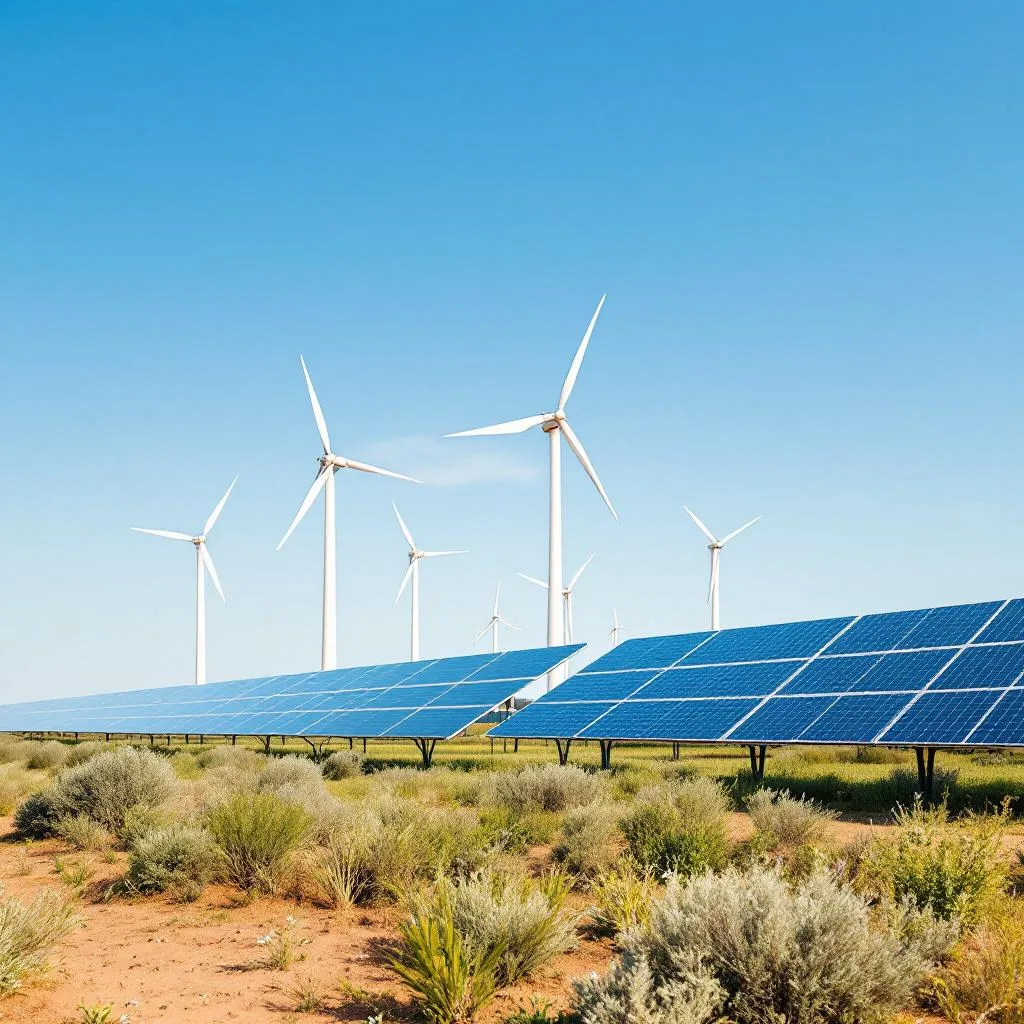
As states navigate these complexities, the role of regulation and innovation becomes critical. Nevada lawmakers are contemplating new regulations to balance clean energy objectives with the economic benefits data centers provide. The industry itself has been proactive, with data centers accounting for half of all corporate clean energy procurement in 2024, according to Dan Diorio of the Data Center Coalition.
However, the pace of renewable energy integration into the power grid remains insufficient, hampered by backlogged orders for gas turbines and lengthy processing times for new projects. This lag underscores the need for accelerated innovation and investment in renewable technologies to keep pace with energy demands.
As the demand for digital infrastructure continues to rise, the challenge for states will be to foster an environment where economic growth and environmental responsibility can coexist. This delicate balance will require a concerted effort from policymakers, utilities, and the tech industry to innovate and adapt in the face of one of the most significant natural resource issues of our time.
No Comments