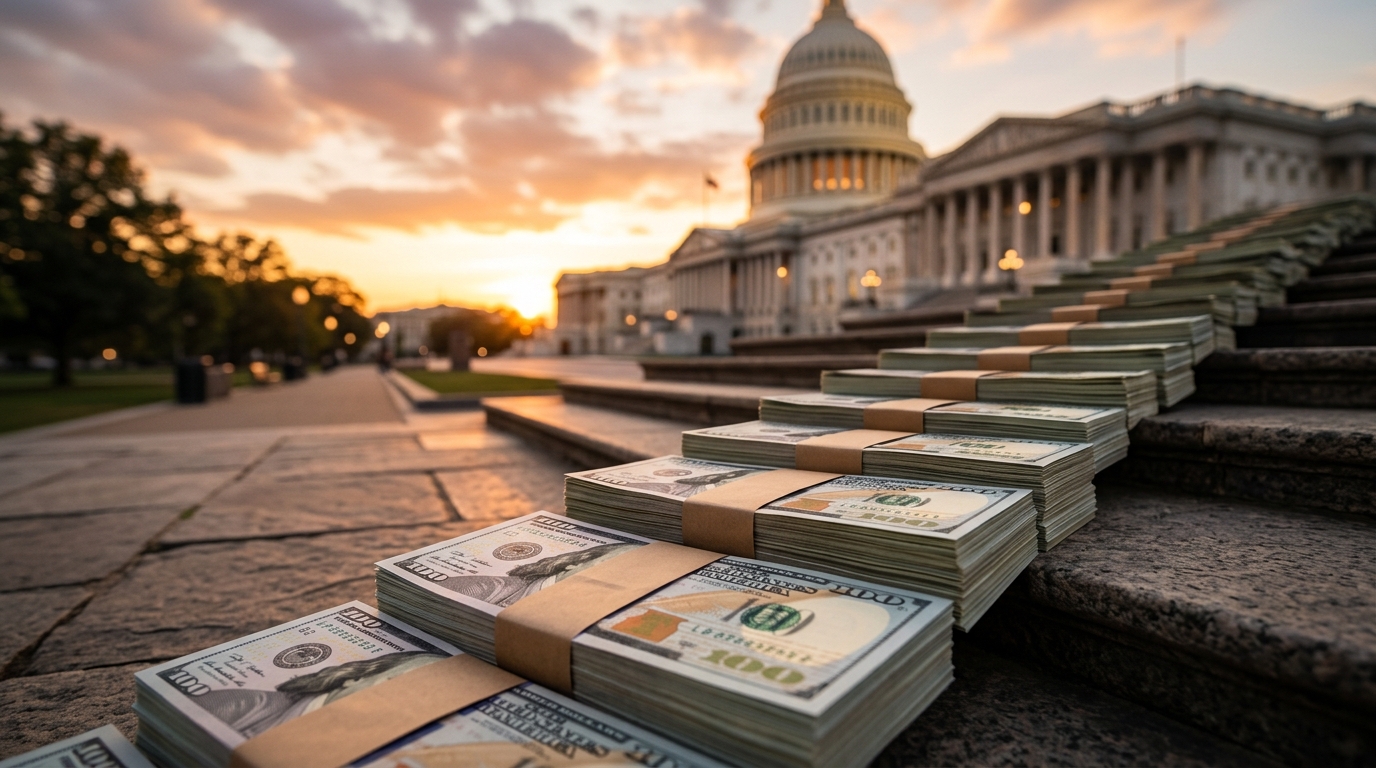
Federal Election Commission filings show every dollar a member of Congress raises for their re-election campaign. We pull the live data and break it down: how much from individual donors, how much from PACs, how much from party committees, and how much each member loaned themselves.
This page ranks members by total receipts in the 2026 cycle. Click any name for the full breakdown and a historical timeline.
The Federal Election Commission’s OpenFEC API, which is the official source of campaign-finance disclosures.
What’s the difference between individual and PAC contributions?
Individual contributions come from people writing personal checks (capped at $3,300 per election in 2026). PAC contributions come from political action committees representing industries, unions, or causes (capped at $5,000 per election).
How current is the data?
Refreshed within 24 hours of each new FEC filing. Every quarter all candidates file totals; some file more often.
Why does this matter?
Funding source is one of the strongest predictors of a member’s voting pattern on regulatory bills affecting their donors. We don’t allege quid pro quo — we show you the receipts.







 Jon Ossoff
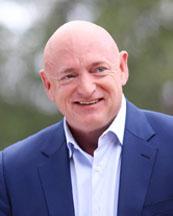 Mark Kelly
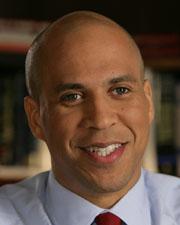 Cory A. Booker
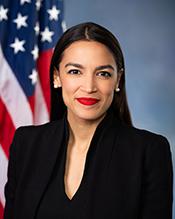 Alexandria Ocasio-Cortez
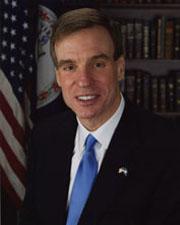 Mark R. Warner
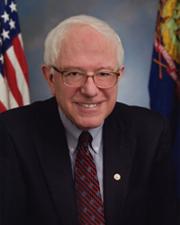 Bernard Sanders
 Mike Johnson
 Susan M. Collins
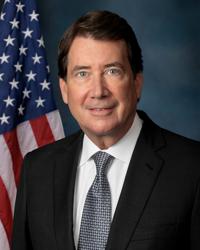 Bill Hagerty
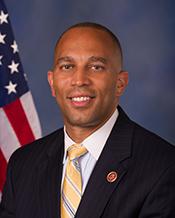 Hakeem S. Jeffries
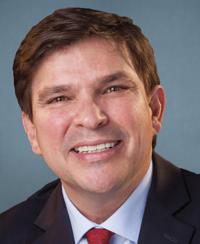 Vicente Gonzalez
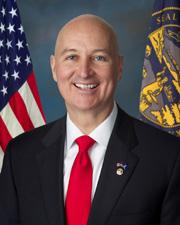 Pete Ricketts
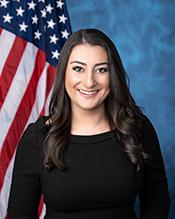 Sara Jacobs
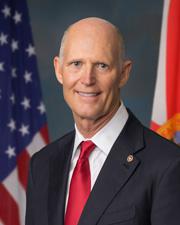 Rick Scott
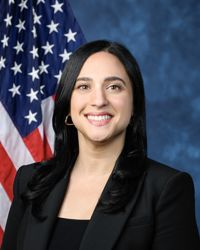 Yassamin Ansari
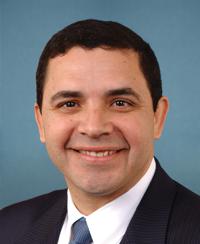 Henry Cuellar
 Maxwell Frost
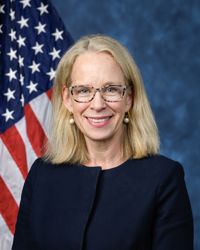 Kelly Morrison
 Ralph Norman
 Analilia Mejia