




Bipartisan passes — recent
HR6500 · House · 2/3 Yea-And-Nay · Passed
HRES1498 · House · Yea-and-Nay · Passed
2026-08-31
S307 · House · 2/3 Yea-And-Nay · Passed
HR6500 · Senate · On Passage of the Bill H.R. 6500 · Bill Passed (90-6, 3/5 majority required)
2026-07-21
HR1118 · House · 2/3 Yea-And-Nay · Passed
2026-07-21
HR6955 · House · Yea-and-Nay · Passed
HR4541 · House · 2/3 Yea-And-Nay · Passed
HR8823 · House · 2/3 Yea-And-Nay · Passed
HR5362 · House · 2/3 Yea-And-Nay · Passed
2026-07-14
HR139 · House · Yea-and-Nay · Passed
HR3106 · House · 2/3 Yea-And-Nay · Passed
HR8897 · House · 2/3 Yea-And-Nay · Passed
HRES1399 · House · Yea-and-Nay · Passed
2026-06-29
HR7128 · House · 2/3 Yea-And-Nay · Passed
HR2478 · House · 2/3 Yea-And-Nay · Passed
HR7401 · House · 2/3 Yea-And-Nay · Passed
HR915 · House · 2/3 Yea-And-Nay · Passed
S629 · House · 2/3 Yea-And-Nay · Passed
Top bipartisan sponsors
Members whose bills most often draw substantial cross-party support:
| # | Member | Party | State | Chamber | Cross-Party Bills |
|---|---|---|---|---|---|
| 1 |  Thomas Massie Thomas Massie | R | Kentucky | Rep. | 4 |
| 2 | 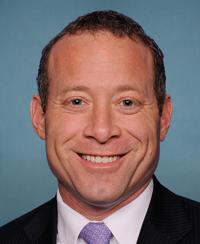 Josh Gottheimer Josh Gottheimer | D | New Jersey | Rep. | 4 |
| 3 |  Brian K. Fitzpatrick Brian K. Fitzpatrick | R | Pennsylvania | Rep. | 4 |
| 4 |  Eugene Simon Vindman Eugene Simon Vindman | D | Virginia | Rep. | 3 |
| 5 |  Nydia M. Velázquez Nydia M. Velázquez | D | New York | Rep. | 3 |
| 6 |  Thomas R. Suozzi Thomas R. Suozzi | D | New York | Rep. | 3 |
| 7 |  Ayanna Pressley Ayanna Pressley | D | Massachusetts | Rep. | 3 |
| 8 |  Jared Moskowitz Jared Moskowitz | D | Florida | Rep. | 3 |
| 9 | 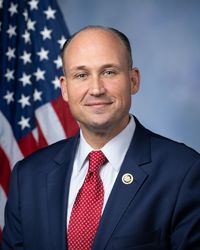 Nicholas A. Langworthy Nicholas A. Langworthy | R | New York | Rep. | 3 |
| 10 |  Michael Lawler Michael Lawler | R | New York | Rep. | 3 |
| 11 | 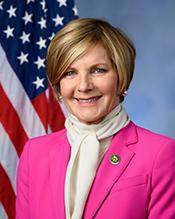 Susie Lee Susie Lee | D | Nevada | Rep. | 3 |
| 12 | 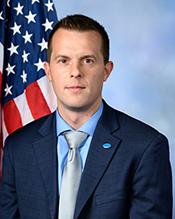 Jared F. Golden Jared F. Golden | D | Maine | Rep. | 3 |
| 13 |  Robert P. Bresnahan Robert P. Bresnahan | R | Pennsylvania | Rep. | 3 |
| 14 |  Don Bacon Don Bacon | R | Nebraska | Rep. | 3 |
| 15 |  Joe Wilson Joe Wilson | R | South Carolina | Rep. | 2 |
Bipartisan compromises in the Senate
HR6500 · House · 2/3 Yea-And-Nay · Passed
HRES1498 · House · Yea-and-Nay · Passed
2026-08-31
S307 · House · 2/3 Yea-And-Nay · Passed
HR6500 · Senate · On Passage of the Bill H.R. 6500 · Bill Passed (90-6, 3/5 majority required)
2026-07-21
HR1118 · House · 2/3 Yea-And-Nay · Passed
2026-07-21
HR6955 · House · Yea-and-Nay · Passed
HR4541 · House · 2/3 Yea-And-Nay · Passed
HR8823 · House · 2/3 Yea-And-Nay · Passed
HR5362 · House · 2/3 Yea-And-Nay · Passed
2026-07-14
HR139 · House · Yea-and-Nay · Passed
HR3106 · House · 2/3 Yea-And-Nay · Passed
HR8897 · House · 2/3 Yea-And-Nay · Passed
HRES1399 · House · Yea-and-Nay · Passed