




17 Apr Typhoon Sinlaku: Crisis Management Challenges
“`html
Typhoon Sinlaku and the Complexities of Crisis Management in the Pacific
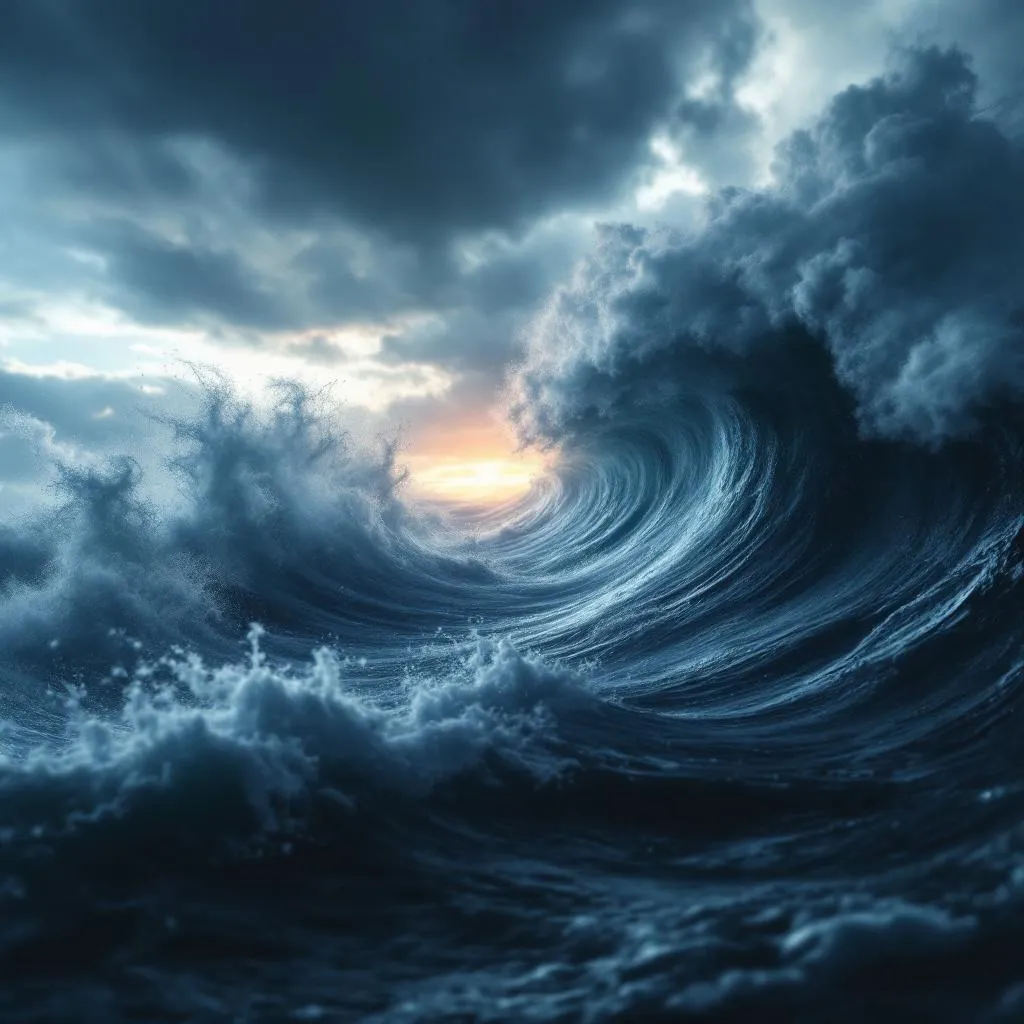
The U.S. Coast Guard’s ongoing search for six missing crew members of a disabled cargo vessel off the coast of Guam underscores the often-overlooked challenges faced in the aftermath of natural disasters like Typhoon Sinlaku. The typhoon, which has ravaged the Northern Mariana Islands, has not only disrupted lives but has also complicated emergency response efforts, illustrating the multifaceted nature of crisis management in the Pacific region.
The Search and Rescue Effort
On April 15, the crew of the U.S.-registered vessel Mariana reported losing a crucial engine, necessitating immediate aid. As the crew maintained a communication schedule with the Coast Guard, contact was lost the following day, prompting an intensive search mission. The search, however, has been significantly hindered by the typhoon’s persistent inclement weather, highlighting the harsh realities and physical risks involved in maritime rescues during severe storms.
Federal Agencies and the Challenge of Coordination
Beyond the immediate search and rescue operations, federal agencies, including FEMA and the Department of Defense, are grappling with the broader response to Typhoon Sinlaku’s impact. With winds extending 275 miles from the storm’s center, the typhoon has caused widespread damage, particularly to power and water systems in the Northern Marianas. This scenario demands a coordinated, multi-agency response, a task complicated by the storm’s duration and intensity.
“This is a very complex event, but we have a lot of experience and have worked very closely with Guam and CNMI over the years to prepare for these types of events,” said Robert Fenton, FEMA regional administrator for Region 9.
Long-term Recovery and Resilience
The aftermath of Typhoon Sinlaku presents a clear illustration of the need for resilience in infrastructure and emergency preparedness. The storm’s impact is expected to require a multi-month mission to restore essential services fully. As Fenton noted, the protracted nature of such events not only delays immediate response efforts but also exacerbates the psychological toll on affected populations.
This crisis also serves as a reminder of the broader geopolitical and environmental challenges faced by island territories in the Pacific, which often bear the brunt of climate-induced weather phenomena. As these territories work to rebuild, the lessons learned from Typhoon Sinlaku could inform future strategies to enhance resilience and response efficacy.
Conclusion
The ongoing search for the crew of the Mariana and the comprehensive response to Typhoon Sinlaku highlight the intricate web of challenges faced in the wake of natural disasters. As federal agencies continue their work on the ground, the experience gained will be crucial in refining strategies for managing similar crises in the future, ensuring that both immediate needs and long-term resilience are addressed effectively.
“`
No Comments