



01 May May Day Protests Highlight Economic Inequality Issues
“`html
May Day Protests and the Larger Conversation on Economic Inequality
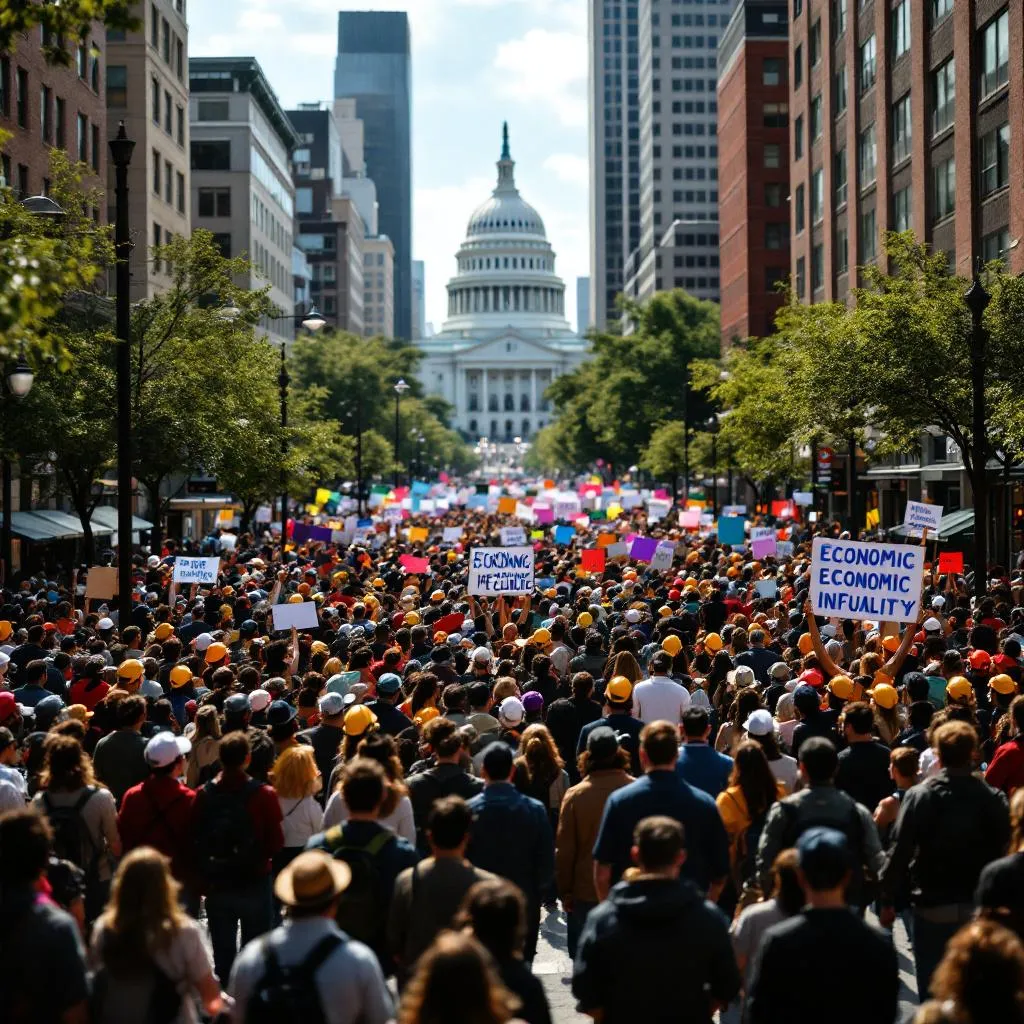
As May Day rallies ignite across the United States, there is a burgeoning conversation around economic inequality and the perceived skew of U.S. policies favoring the wealthy over working families. These rallies, traditionally a day of international labor solidarity, have become a focal point for activists seeking to challenge the status quo and advocate for systemic change.
At the heart of these protests is a deep-seated frustration with economic policies that activists argue disproportionately benefit billionaires and large corporations, leaving little for everyday workers. The rallies highlight a growing divide between the haves and have-nots, which many view as exacerbated by recent legislative decisions and economic trends.
Economic Policies Under Scrutiny
Participants in the May Day rallies are voicing concerns about policies that they believe prioritize corporate interests over public welfare. Such policies include tax breaks for the wealthy, deregulation efforts, and the handling of economic crises that often leave small businesses and workers vulnerable. Activists are calling for more equitable economic reforms, including fair wages, improved labor laws, and increased accountability for corporate practices.
The Role of Political Rhetoric
Compounding these economic grievances is an increasingly charged political environment. Extreme rhetoric from political leaders has not only influenced public perception but has also, as seen in recent events, contributed to a climate where violence can emerge as a response to political discontent. This intertwining of economic and political dissatisfaction underscores the complexity of the issues at hand.
Beyond the Protests: A Call for Legislative Action
While the May Day rallies serve as a powerful symbol of resistance and solidarity, the underlying issues call for substantive legislative action. There is a pressing need for policies that address income inequality, enhance worker rights, and ensure that economic growth benefits all sectors of society, not just the affluent few.
As these rallies unfold, they bring attention to the broader movement for economic justice and the urgent need for political leaders to respond with meaningful reforms. The challenge lies in bridging the gap between rhetoric and reality, ensuring that the voices of those protesting on the streets translate into tangible policy changes.
“`
No Comments