






22 Jul Hitler’s Birthplace Becomes Police Station in Austria
Transforming History: Hitler’s Birthplace Reimagined in Austria
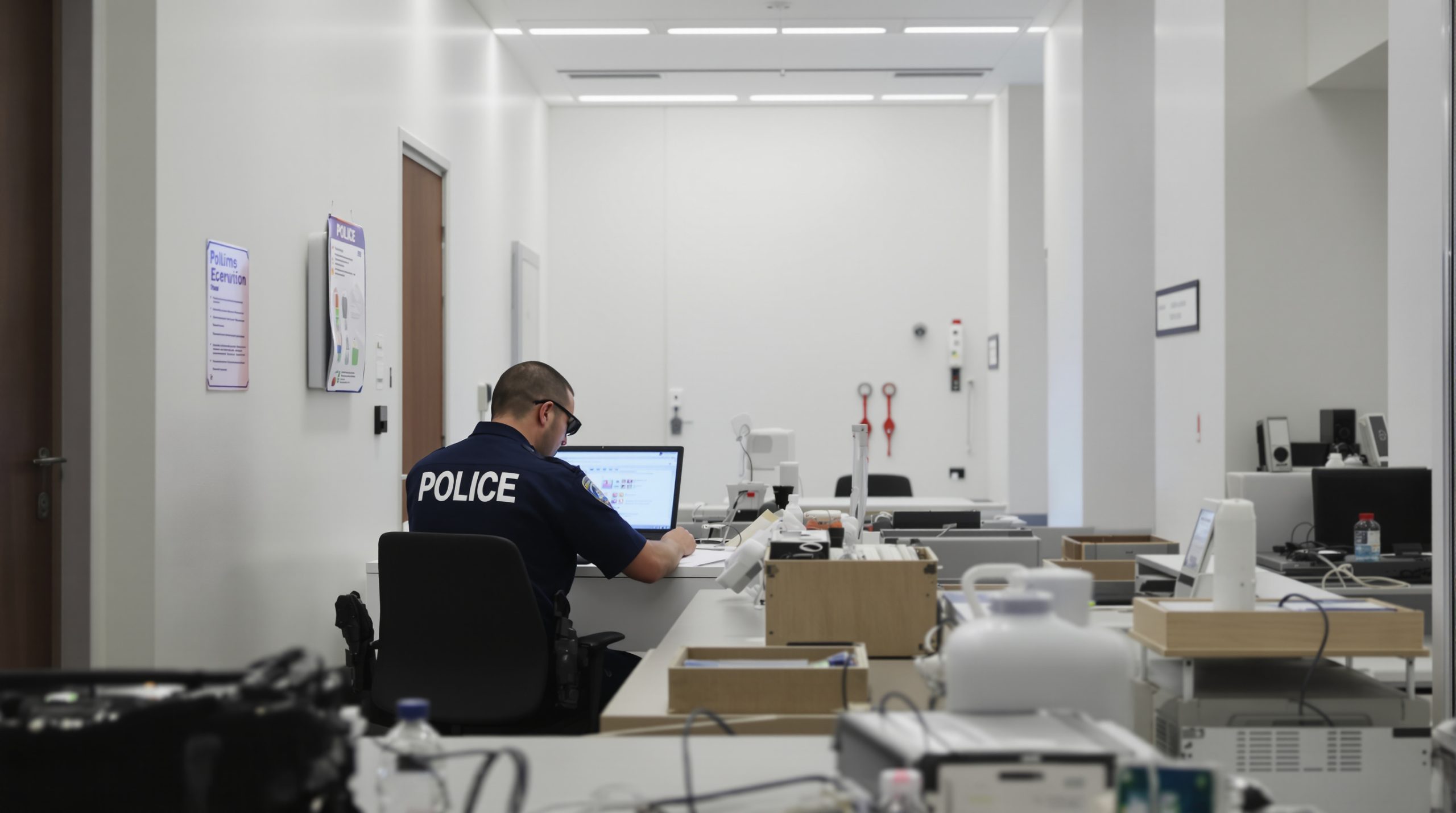
In a bold move—one that embraces history while aiming for change—Austria has inaugurated a police station at Adolf Hitler’s birthplace in Braunau am Inn. This significant transformation seeks to address the site’s dark past and put an end to the far-right pilgrimages that have long tainted it.
A Site of Controversy and Remembrance
Adolf Hitler was born here on April 20, 1889. His family’s stay was brief, yet the site became a symbolic pilgrimage for those who glorify the dictator’s legacy. The Nazi regime’s horrific acts resulted in the deaths of around 6 million Jews and millions more during the Holocaust, leaving a shadow over the site and its community. Efforts to redefine the building’s purpose have faced hurdles, not least of which was a long legal battle over its ownership. The Austrian government’s decision to seize the house in 2017 finally made way for its recent 20 million euro renovation. The changes even included a facelift for the building’s façade, making sure it looks nothing like its former self.
Symbolism and Criticism
Austria’s Interior Minister, Gerhard Karner, underscored the importance of this change at the inauguration. “The Republic of Austria, the state, the county is facing up to this heritage, the terrible heritage of this time, and commits itself to deal with it,” he said during the ceremony. The new police station, he claimed, stands as a sentinel of civil liberties, countering the hateful ideologies once propagated by Hitler. Yet, some critics aren’t convinced. They’ve pointed out that there’s a lack of historical context in the building’s current presentation. Experts had advised against turning it into a museum, suggesting a redesign to mask its original look. So, the ochre-yellow walls were turned white, and those arched windows? Replaced with simpler rectangular shapes.
Guarding Against Extremism
Turning the site into a police station is both practical and symbolic, aiming to prevent it from becoming a magnet for far-right extremists. In the past, people have been caught laying flowers and snapping photos—actions that reinforce its unwanted status as a neo-Nazi homage. The renovations to the building aim to stop these activities, shifting the narrative from glorification to reflection and learning. While not everyone agrees with the decision to repurpose Hitler’s birthplace, it marks a cultural shift toward confronting and redefining historical narratives. As Austria wrestles with its past, the building in Braunau am Inn stands as a testament to the country’s resolve to turn ideologies of tyranny and hate into lessons for future generations.
No Comments