




05 May U.S. Foreign Policy Challenges in Iran and the Caribbean
U.S. Foreign Policy Faces Simultaneous Challenges in Iran and the Caribbean
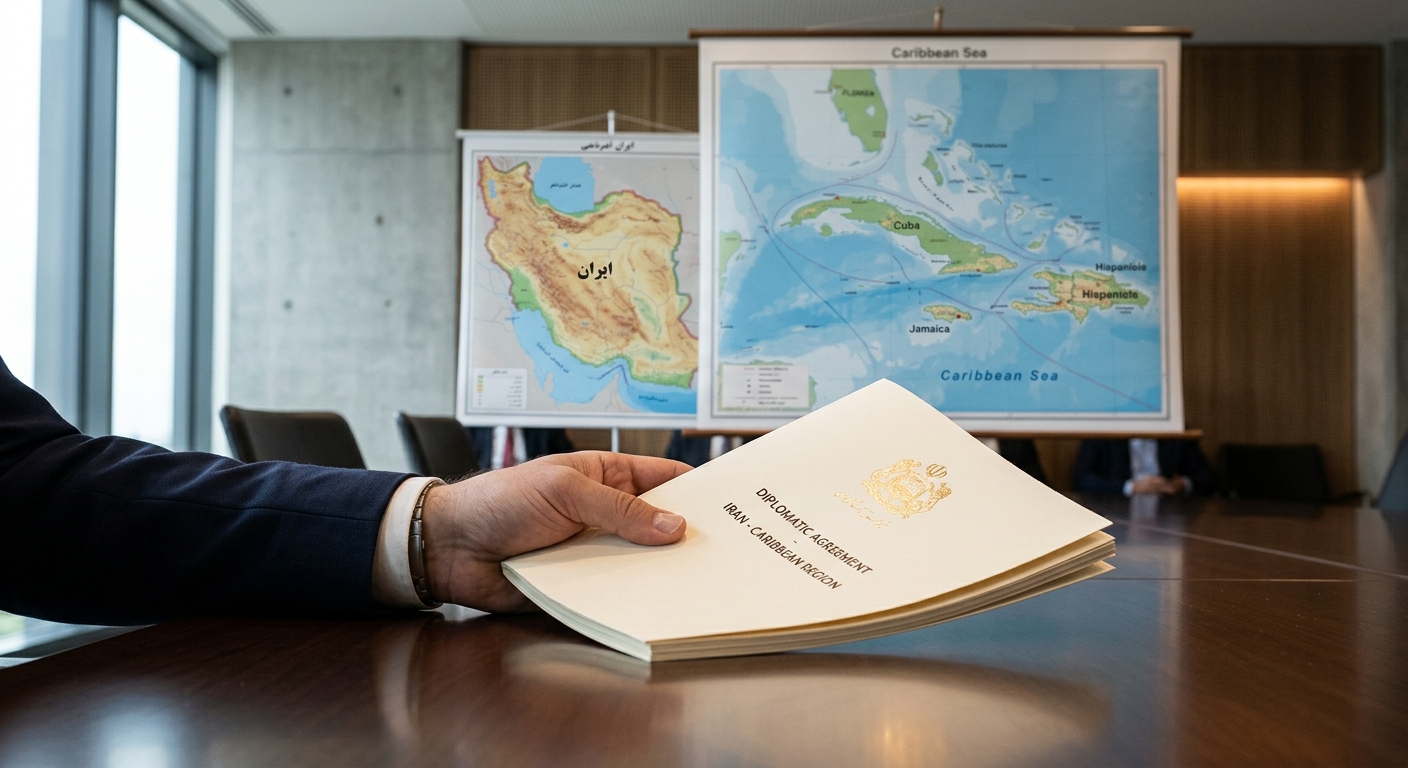
The United States is currently grappling with two significant foreign policy challenges: the ongoing tensions in the Strait of Hormuz involving Iran, and an aggressive campaign against alleged drug trafficking in the Caribbean. Both situations highlight the complex geopolitical landscape that the U.S. must navigate under the Trump administration, revealing broader implications for international relations and U.S. influence.
Strait of Hormuz: A Fragile Ceasefire Under Threat
The Strait of Hormuz remains a focal point for tension as the U.S. attempts to maintain a fragile ceasefire with Iran. Despite recent attacks blamed on Iran in the strait and against the United Arab Emirates, American military leaders assert that the ceasefire is holding. The strategic waterway, crucial for global energy supply, has been a significant point of leverage for Iran, especially since the conflict escalated with U.S. and Israeli strikes on Iran earlier this year.
The U.S. has made efforts to reopen the strait, which Iran effectively closed, leading to skyrocketing fuel prices and global economic tremors. A new U.S.-guarded route has been opened, but with only limited success as shippers remain wary. U.S. Defense Secretary Pete Hegseth and Gen. Dan Caine have downplayed the recent attacks, suggesting that they do not constitute a resumption of major combat operations.
To address Iran’s aggressive stance, a proposed U.N. resolution threatens sanctions or more severe measures if Iran does not cease attacks and allow free navigation. This diplomatic effort, led by the U.S. and Gulf nations, aims to restore order in the strait, but faces potential opposition from Iran’s allies such as China and Russia.
Caribbean Campaign Against Narcoterrorism
Concurrently, the U.S. has intensified its military operations in the Caribbean, targeting vessels suspected of drug trafficking. This campaign, described as a fight against “narcoterrorism,” has resulted in the destruction of several boats and numerous fatalities, yet the U.S. has not provided concrete evidence to substantiate its claims. Critics question the legality of these strikes and the lack of transparency surrounding the operations.
These actions coincide with the U.S.’s largest military buildup in the region in decades, aimed at curbing the flow of drugs into the U.S. The campaign has continued unabated despite the ongoing conflict with Iran, underscoring the Trump administration’s commitment to tackling drug trafficking in Latin America.
Implications for U.S. Influence and Policy
These dual operations reflect broader themes in U.S. foreign policy under President Trump: a willingness to employ military force to secure strategic interests, coupled with a reliance on unilateral actions rather than multilateral diplomacy. As the administration juggles these complex international scenarios, the outcomes will significantly influence the global perception of U.S. power and its ability to manage simultaneous geopolitical crises.
With primary elections underway in states like Indiana and Ohio, President Trump’s political influence is also under scrutiny. The results could signal shifts in domestic support, potentially impacting how the administration navigates these international challenges moving forward.
No Comments