





11 May U.S.-Iran Tensions and Economic Implications
“`html
U.S.-Iran Tensions: A Geopolitical Crossroads and Economic Balancing Act
Tensions between the U.S. and Iran have hit a boiling point. We’re looking at a critical juncture that could shake up the Middle East and ripple through the American economy. Robert Kagan, a senior fellow at the Brookings Institution, didn’t mince words. He’s warning that if the U.S. doesn’t rethink its strategy, defeat in the region is a real possibility. Kagan points to Iran’s grip on the Strait of Hormuz, a crucial passage for global oil shipments that could shift power dynamics in the Gulf significantly.
Geopolitical Stakes in the Gulf
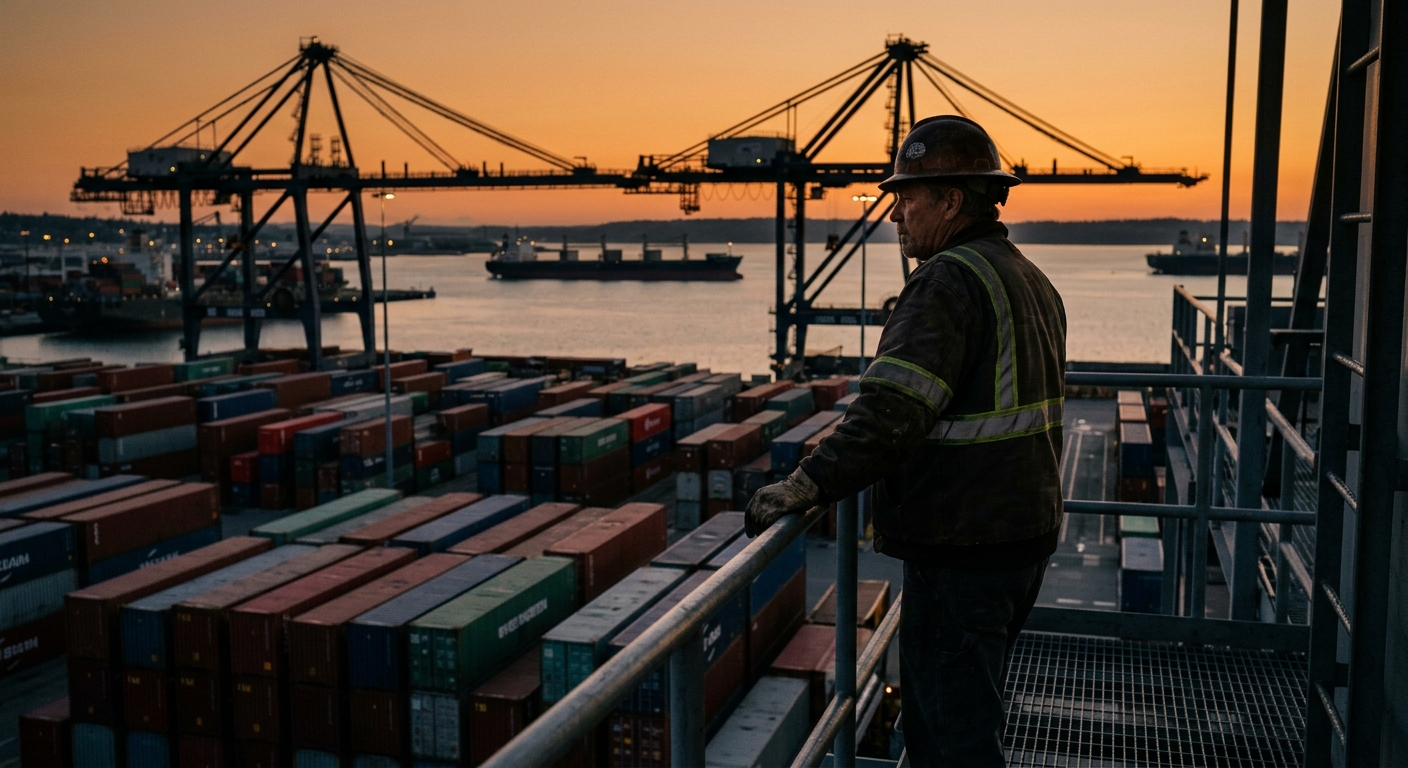
Iran’s control over the Strait of Hormuz gives it a staggering amount of influence—perhaps even more than a nuclear weapon would. This strategic chokepoint is essential for a hefty chunk of the world’s oil, and Iran’s leverage here could have massive global effects. Kagan argues that without a full-scale military intervention, the U.S. might find itself boxed in, highlighting the limits of current American military and diplomatic efforts.
“This conflict has revealed an America that is unreliable and incapable of finishing what it started. Defeat for the United States, therefore, is not only possible, but likely,” Kagan noted, emphasizing the precarious situation.
Domestic Economic Repercussions
Back on home soil, the U.S.-Iran rift is sending shockwaves through the American economy. Restricted movement through the Strait of Hormuz could drive oil prices up, worsening existing economic issues. That’s not something voters will ignore as midterm elections loom. This economic uncertainty creates additional headaches for President Trump’s administration, which is already wrestling with a shaky job market.
The administration’s economic and foreign policies are becoming increasingly tangled, with potential economic fallout shaping political narratives. This intersection of issues highlights the difficulties in juggling international diplomacy and domestic economic stability.
Broader Implications and Strategic Considerations
The tension with Iran isn’t happening in a vacuum. It’s part of a broader geopolitical landscape. Recent moves like the U.S. Supreme Court’s temporary extension of access to mifepristone and continued diplomatic tensions in Venezuela and Ukraine muddy the waters even more. Each scenario contributes to a global setting where U.S. foreign policy choices have profound, cascading effects.
As President Trump steers through these choppy international waters, his administration has to weigh the repercussions of inaction against potential economic strain at home. The evolving situation in Iran tests U.S. foreign policy strength and the administration’s ability to juggle global influence with domestic economic well-being.
In this intricate dance of diplomacy and strategy, the stakes could not be higher. The U.S. must carefully consider its next moves in the Gulf, acknowledging that the road to stability is fraught with challenges that extend beyond the battlefield.
“`
No Comments