






14 May U.S.-China Relations: Politics and Trade Challenges
The Evolving Dynamics of U.S.-China Relations: A Complex Web of Politics and Influence
U.S.-China relations are a delicate dance of diplomacy and power. The recent meeting between former U.S. President Donald Trump and Chinese President Xi Jinping didn’t shy away from the persistent issues—Taiwan, trade, and the tangled web of geopolitical concerns—that continue to define their interactions.
The Taiwan Conundrum
Taiwan, that self-governing island, sits at the heart of the discussions. China claims it as its own. Xi warned Trump about the risks of mishandling Taiwan, a stark (and necessary) reminder of the fragile nature of these relations. For Xi, Taiwan is the most crucial matter in U.S.-China talks—no doubt about it.
When Xi brought up the “Thucydides Trap,” it was more than just a reference. It’s a warning. Historically, when a rising power threatens an established one, conflict often follows. By invoking this, Xi doesn’t just acknowledge the conflict potential—he’s spotlighting the need for careful steps to avoid it.
Trade and Economic Tensions
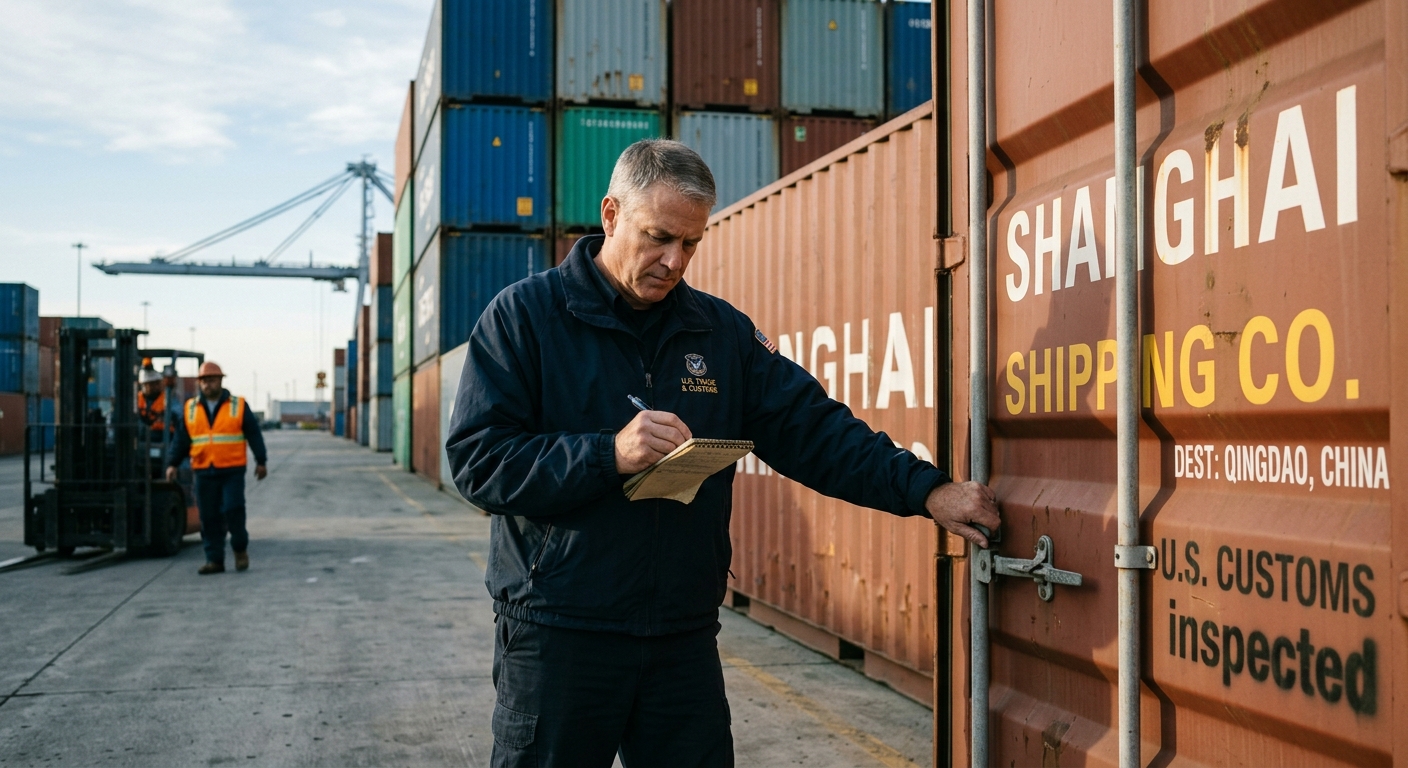
Trade disputes? They’re still a hot topic between the U.S. and China. Trump’s tariffs on Chinese goods left a mark, sparking a trade clash that continues to echo. Aimed at rebalancing trade, these tariffs ended up creating a mess of economic shifts and ongoing tension.
Despite the grandeur of Xi and Trump’s meeting, substantial breakthroughs on trade issues remained elusive. This lack of progress shows that while diplomatic pageantry may catch eyes, the real issues call for more than just ceremonial gestures.
A Broader Geopolitical Context
U.S.-China dynamics don’t happen in a vacuum. They intersect with global issues like the war in Iran and the strategic significance of the Strait of Hormuz. Xi’s offer to mediate in Iran and reopen the Strait underscores China’s strategic ambitions on the global stage.
Then there’s the recent resignation of U.S. Border Patrol head Michael Banks. It might seem unrelated, but domestic policy changes, especially in areas like border security and immigration, can ripple through foreign policy—where China’s economic influence often looms large.
The Path Forward
Navigating the U.S.-China relationship requires a fine-tuned understanding of political, economic, and security concerns. Both nations must balance the allure of cooperation against the specter of conflict, especially as global power dynamics shift.
Open dialogue and a readiness to tackle tough issues are key. While Trump and Xi’s recent meeting didn’t crack the toughest nuts, it reminds us that diplomacy and careful management of international relations are always in demand.
No Comments