






14 May Civilian Casualty Office Cuts in U.S. Military
U.S. Military’s Civilian Casualty Office Cut Amidst Rising Tensions
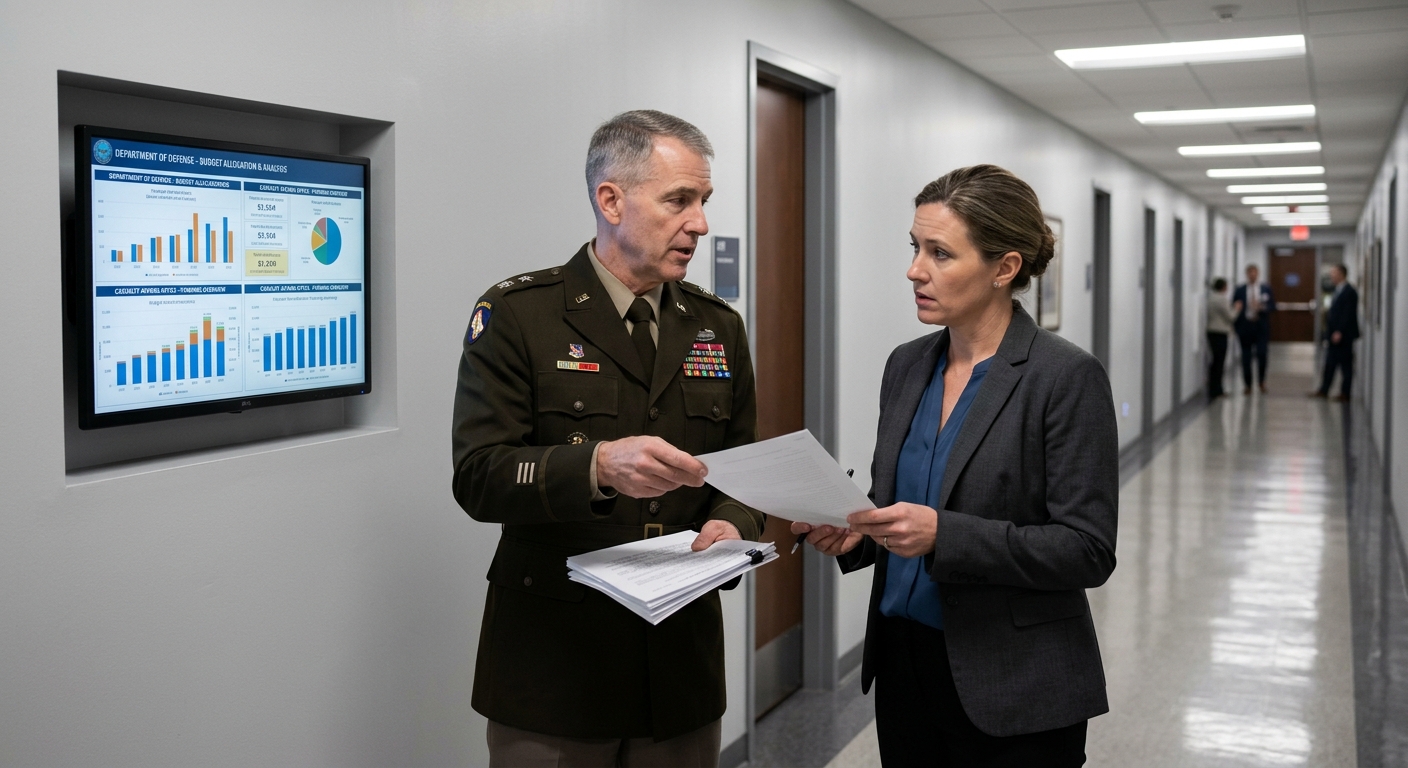
Big changes are afoot in the U.S. Central Command. The office dedicated to reducing civilian casualties in military operations has been slashed from ten employees to just one. This comes on the heels of the tragic bombing of an Iranian school, throwing the potential impact of this downsizing into sharp relief. Adm. Brad Cooper confirmed these cuts while discussing the shifting military strategies in the region.
The timing of this downsizing couldn’t be more critical, as geopolitical tensions are at a high — particularly with Iran and Cuba in the mix. Against this backdrop, CIA Director John Ratcliffe recently engaged in talks with Cuban officials to try and ease bilateral tensions. This underscores the delicate dance of diplomacy and military maneuvers that currently shape U.S. foreign policy.
Over in Cuba, it’s not just diplomacy that’s in the spotlight. The island recently experienced a major power grid failure, which plunged its eastern provinces into darkness. This incident highlights Cuba’s ongoing economic struggles, exacerbated by U.S. sanctions and energy blockades. The Cuban government points to external pressures as a factor in these hardships, illustrating the complex web of international influence and domestic policy.
The Broader Context of U.S. Military and Diplomatic Strategy
The cutback in the civilian-harm office hints at a possible shift in U.S. military priorities, sparking questions about finding the right balance between operational efficiency and humanitarian concerns. As the U.S. manages its tangled relationships with nations like Iran and Cuba, a nuanced approach is key. This includes encouraging diplomatic efforts — like the recent CIA activities — and ensuring military actions do minimal harm to civilians.
Moreover, Cuba’s situation serves as a powerful reminder of the domestic effects of international policies. The energy crisis has highlighted the vulnerabilities of countries under economic stress, prompting debates on the ethics of sanctions and blockades.
Leadership and Accountability in Focus
Leadership scrutiny isn’t limited to just military and diplomatic realms. Recently, FBI Director Kash Patel found himself under fire for mixing official duties with leisure — evidenced by his “VIP snorkel” at the USS Arizona Memorial. This, along with past controversies, fuels an ongoing debate about the use of government resources and the critical role of maintaining public trust in leadership.
These intertwined stories contribute to a broader narrative about how leadership decisions resonate on both domestic and international fronts. As military and political leaders face these challenges, the call for transparency, accountability, and a commitment to ethical governance remains as strong as ever.
No Comments