




07 Jun Political Turmoil in Kosovo Ahead of Elections
Political Turmoil in Kosovo: A Struggle for Stability and EU Integration
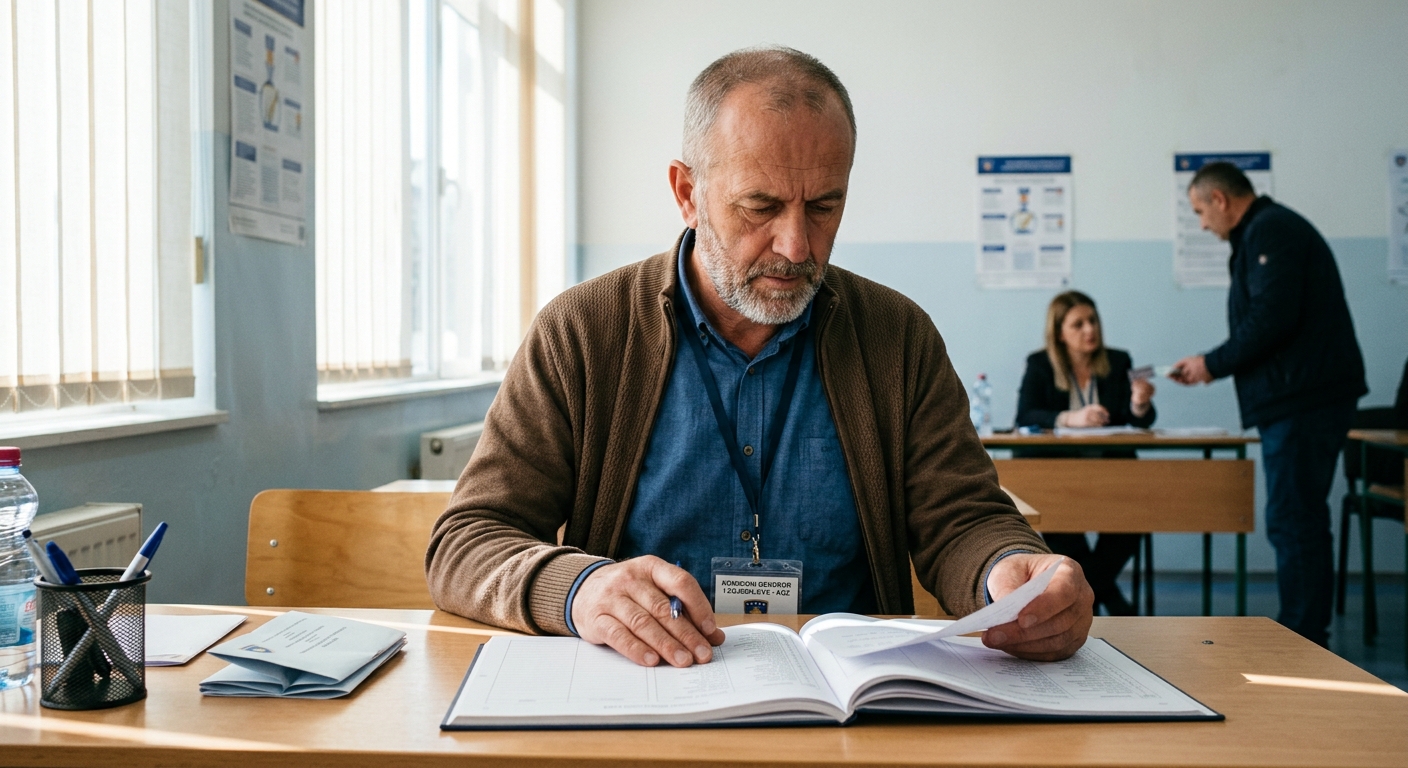
Kosovo’s political landscape is anything but stable as the nation is gearing up for yet another election. That’s the third time in just under 18 months. This early parliamentary election follows a lengthy deadlock, with the main political factions unable to agree on a president by the March deadline. This political gridlock casts a shadow over Kosovo’s dreams of joining the European Union and NATO, stunting economic growth and straining international ties.
A Political Crisis with Deep Roots
It all started with the inconclusive election back in February 2025. Kosovo found itself without a proper government for most of the year. This led to a second go at the polls in December, where Prime Minister Albin Kurti’s center-left Vetevendosje party emerged with a clear parliamentary majority. But electing a president isn’t that simple — it demands a wider political agreement, calling for at least 80 out of 120 lawmakers to find common ground.
Kurti’s leadership faces stiff resistance from major opponents, the Democratic Party of Kosovo and the Democratic League of Kosovo. They accuse him of trying to control political institutions entirely, making a compromise harder to reach. Former President Vjosa Osmani, now running on the opposition LDK list, stresses the need to resolve this impasse. The stakes? Avoiding further domestic and global fallout.
Economic and Social Implications
This unending deadlock has dealt a tough blow to Kosovo’s economy. Already weakened by the global energy crisis and climbing fuel prices, the nation’s ability to tap into EU funds and get international aid is hampered without a steady government. People are growing more frustrated as the political elite seemingly fail to put economic growth and better living standards first.
European Council President Antonio Costa recently made a plea for Kosovo to sort out its political rifts, pointing out that rallying around EU integration is vital for the nation’s future. Yet, analysts are skeptical. They say this election might not shake up the political scene much, possibly keeping things as they are.
A Hope for Stability
Still, there’s a sliver of hope among Kosovo’s voters. A strong turnout is expected, reflecting the public’s hunger for a solution to this ongoing crisis. Citizens like Arton Smajli and Sejdi Shala are hopeful that this election could finally bring the stability and institutional coherence they’ve been waiting for.
As Kosovo continues its path towards potential EU membership, the world watches intently, aware that what happens next could shift the geopolitical dynamics of the Balkans. For now, Kosovo stands at a decisive point, with both its leaders and its people facing the daunting task of navigating a complex and tense political scene.
No Comments