




12 Jun Pakistan’s Role in U.S.-Iran Peace Agreement
Pakistan Mediates Peace Agreement Between U.S. and Iran Amid Skepticism
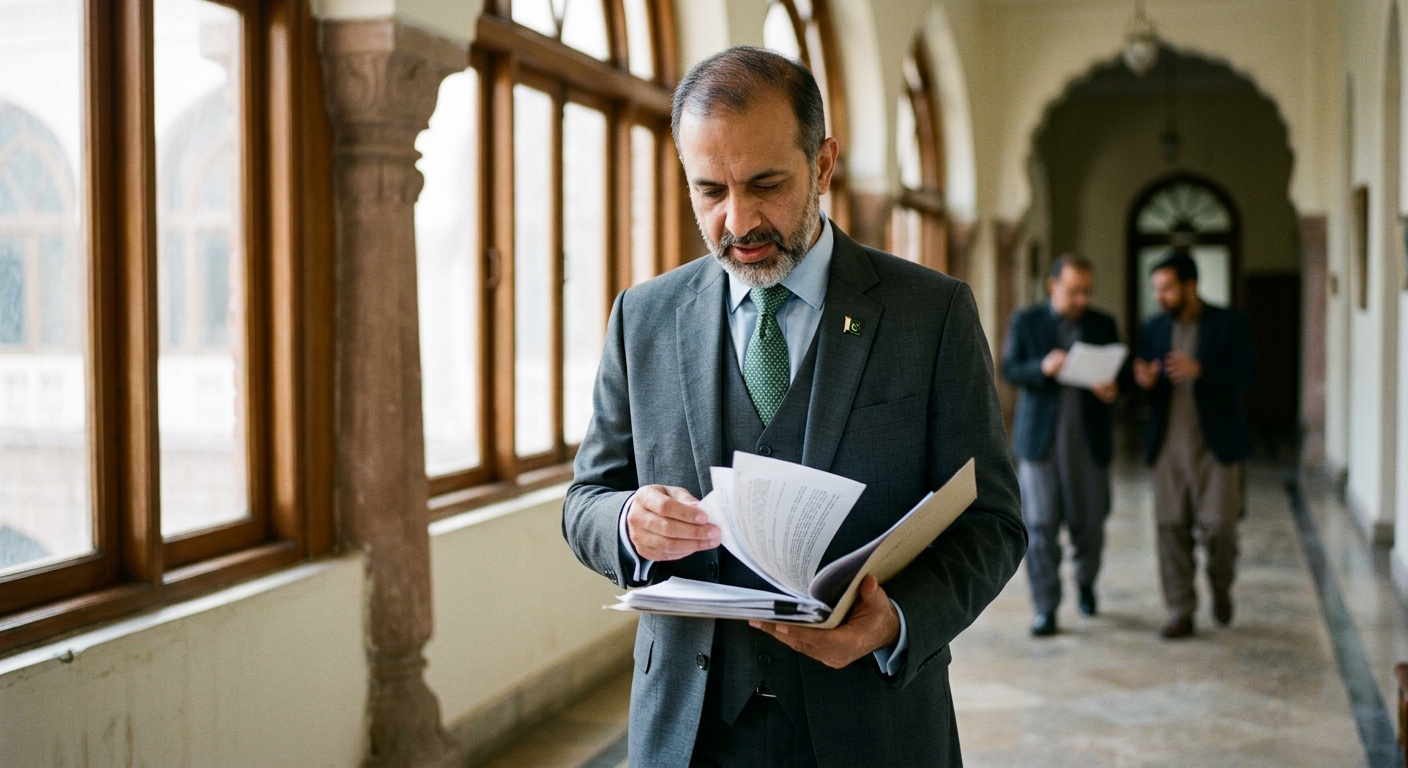
Pakistan’s diplomatic push has hit a major milestone: the U.S. and Iran are now on the same page with a “final, agreed upon text” to halt hostilities in the Middle East. This isn’t just another development — it’s a pivotal moment in international affairs, potentially ending a conflict that’s dragged on for over 100 days. With Pakistan’s skillful mediation, the Strait of Hormuz, a key maritime route, might soon reopen, signaling a potential shake-up in the region’s geopolitical dynamics.
U.S. Leadership and Domestic Challenges
Sure, the agreement is a diplomatic win, but it comes at a tricky time for President Trump. His domestic policies? They’re under the microscope. Trump’s choice of Jay Clayton as the Director of National Intelligence sparked a debate — can someone without national security chops steer U.S. intelligence? Sen. Chris Coons and others are worried, especially given Clayton’s ties to Trump and backing of contentious plans.
Things get messier with the lapse of the Foreign Intelligence Surveillance Act (FISA) powers due to congressional gridlock. It’s a classic tug-of-war between privacy and security, and Trump hints at an executive order fix — not a simple solution, legally speaking.
Broader Implications and Skepticism
The U.S.-Iran diplomatic progress is there, but not everyone is convinced about Trump’s foreign policy track record. Past peace bids stirred hope, only to be dashed by global and domestic politics. Adding to the mix are recent policy shifts on immigration and business — restrictive moves that don’t sit well with everyone.
The Small Business Administration’s (SBA) new lending policies cut out non-citizen permanent residents, putting the focus on American citizens. Criticism is pouring in from immigrant communities and business leaders who say these residents play a key role in the U.S. economy, but now they’re on the sidelines.
The Intersection of Policy and Perception
As the U.S. grapples with these tangled issues, the dance between policy choices and public opinion couldn’t be more crucial. The administration’s stance on international and domestic fronts is under a high-powered lens, with ripple effects beyond immediate politics. The Iran peace deal offers a chance to reset, yet also highlights the ongoing struggle to juggle varied global interests.
In this age of information overwhelm, cutting through the noise is vital. With new stories emerging and old narratives under fire, the skill to critically analyze and grasp the wider implications of these shifts is key for an informed public dialogue.
No Comments