






12 Jun Trump’s UFC Event: Politics Meets Entertainment
Amid Controversy, Trump’s UFC Event Highlights Intersection of Politics and Entertainment
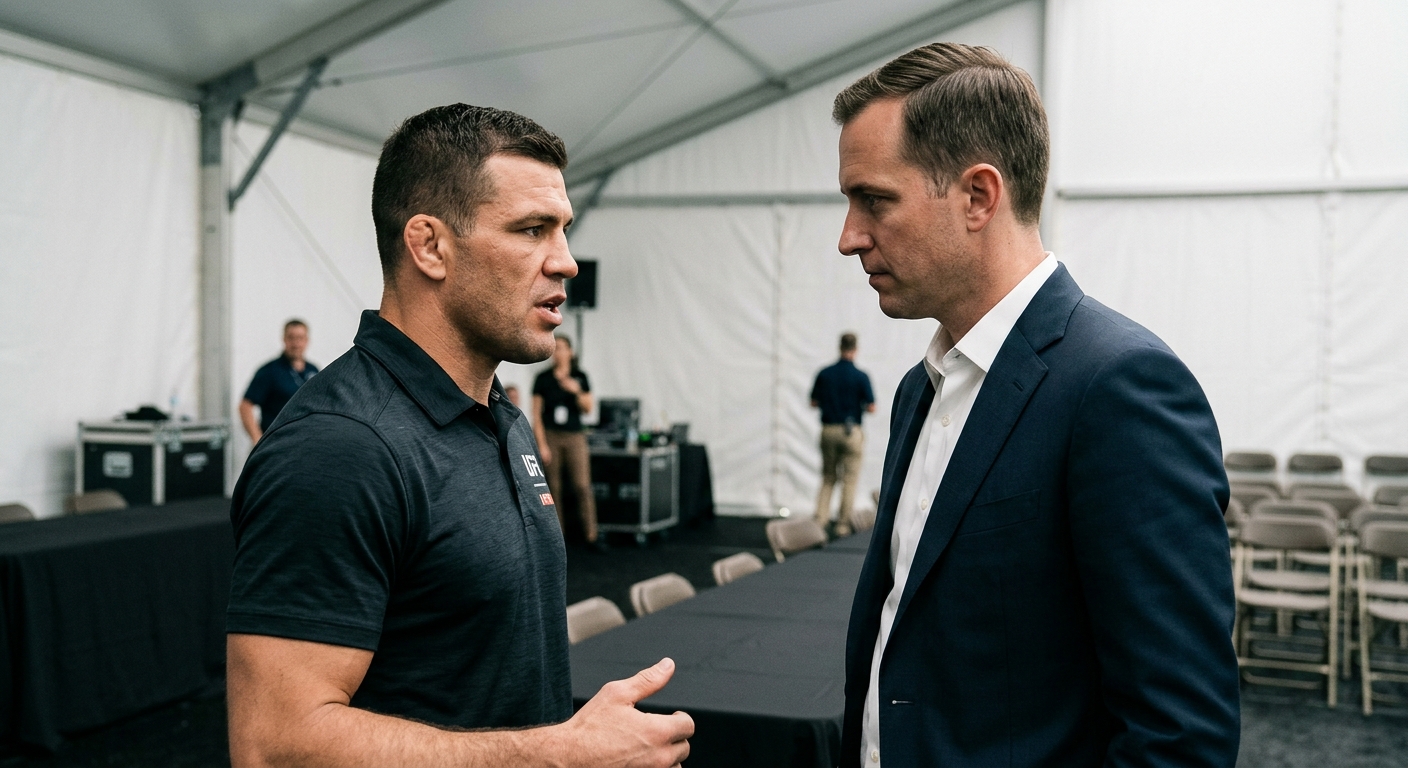
In a move that’s both bold and controversial, President Trump decided to celebrate his 80th birthday by hosting an Ultimate Fighting Championship (UFC) event on the White House lawn. This event, which coincided with Flag Day, is a testament to Trump’s deep-rooted relationship with UFC President Dana White, showcasing his knack for intertwining politics and entertainment.
The UFC and Trump’s Decades-Long Partnership
Back in the early 2000s, when UFC was struggling with its “human cockfighting” image — a label given by the late Senator John McCain — Trump stepped in. Offering his Taj Mahal Casino in New Jersey as a venue when the sport was struggling to find its footing, he played a crucial role in its survival and growth. Dana White himself has credited Trump for this pivotal support. Now, the UFC stands as a top-tier mixed martial arts organization, yet its presence on the White House lawn? That’s something no one saw coming. And former Representative Marjorie Taylor Greene (R-Ga.) certainly had something to say about it, sparking debates over this blend of politics and spectacle.
Legal and Cultural Ramifications
Amidst the punches and cheers, the Trump administration is grappling with other legal issues that highlight ongoing tensions in civic life. Over in California, a federal judge has halted the administration’s attempts to subpoena medical files of transgender youth. It’s a decision that underscores Trump’s controversial stance on gender-affirming healthcare, marking a significant win for the families and hospitals advocating for privacy and transgender rights.
Meanwhile, the Kennedy Center in Washington, D.C., is in the midst of a court-ordered removal of Trump’s name from its premises. This incident further underscores the contentious nature of the former president’s influence in both cultural and political arenas.
The Power of Narrative in Modern Politics
Trump’s strategy of leveraging high-profile events, like the UFC match, to bolster his political brand is illustrative of a larger trend: the merging of entertainment and politics. It’s a blend that’s not just about drawing a crowd; it’s about shaping how political figures are perceived and where their loyalties lie.
Bruce Springsteen, reflecting on “critical patriotism,” notes that the narratives we choose to spotlight and the cultural symbols we embrace are key in defining American identity. The UFC event at the White House — akin to Springsteen’s protest music — invites us to question the stories being crafted and whose interests they ultimately serve.
This fusion of entertainment and politics provokes important discussions about the role of cultural events in political discourse. How they can reinforce, challenge, or even reshape public perception is critical. As these narratives emerge, they weave into the intricate tapestry of American civic life.
No Comments