






02 Jun Oklahoma Oilfield Pollution and Political Accountability
Examining Overlooked Narratives: From Oilfield Pollution to Political Accountability
Every day, we’re bombarded with an overwhelming amount of information, making it hard to pinpoint which stories truly matter. But if you wade through the chaos, you’ll find those with real punch—stories that could shift public opinion and shape policies. Two such compelling issues are surfacing right now: an under-the-radar environmental crisis unraveling in Oklahoma and a fierce debate over political accountability in Washington. Both showcase the tangled web of these narratives.
Unseen Pollution: Oklahoma’s Oil Field Crisis
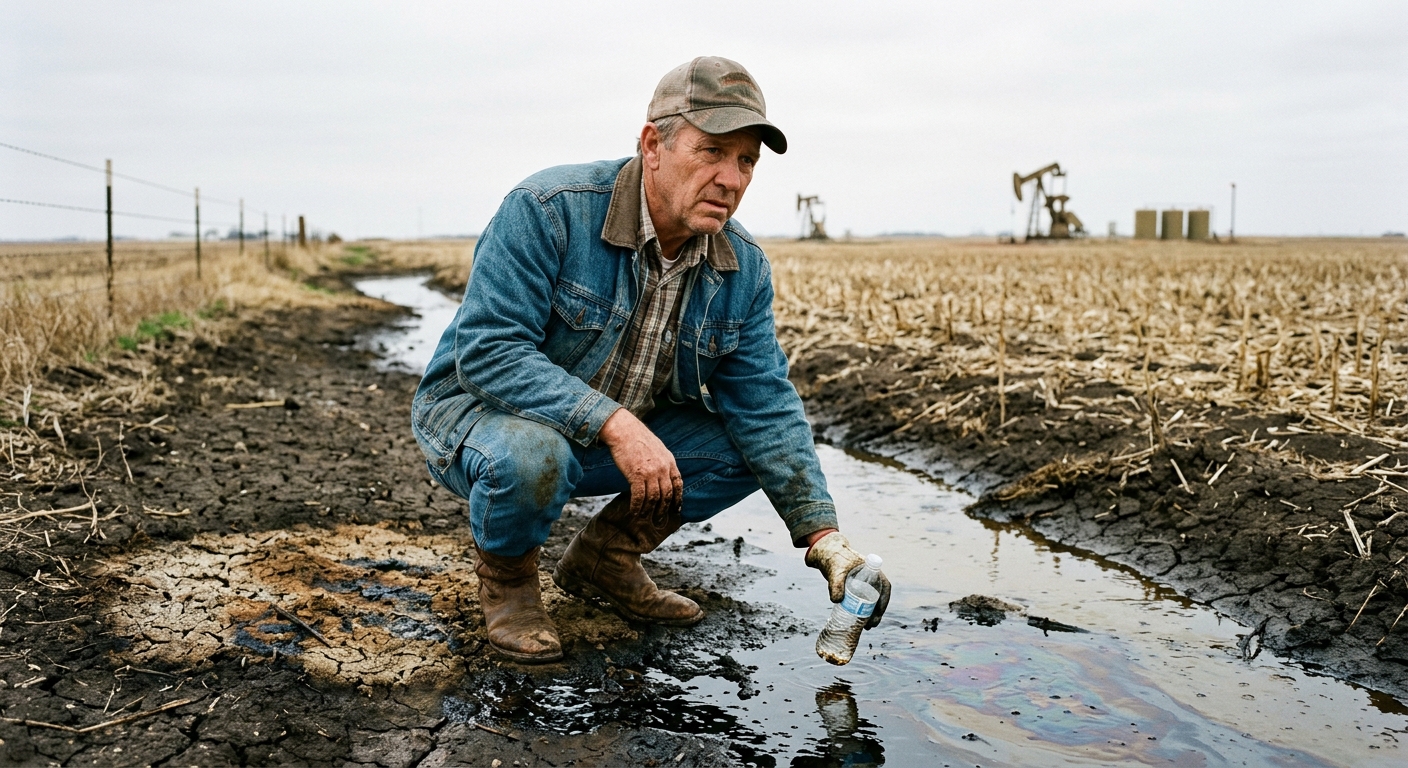
The United States reigns as the top producer of oil and gas, but there’s more than meets the eye. Kara Meredith learned this the hard way when, on August 23, 2025, oil gushed up through the floor of her bathroom in Fort Gibson, Oklahoma. A jarring incident that lays bare the environmental price tag of energy production.
In Oklahoma, where roughly half the populace resides within a mile of oil and gas activities, a crisis brews. Toxic wastewater is sneaking into the environment. Nick Bowlin’s work for ProPublica peels back the curtain on an unsettling truth: years of pumping brine back underground have caused leaks from old, unplugged wells. These leaks? They’re tainting the land and water, threatening local folks.
Despite reassurances from the Oklahoma Corporation Commission about keeping things in check, these persisting problems point to deeper regulatory gaps. It’s time to rethink how energy endeavors are overseen, putting public safety front and center instead of pure profit.
Political Accountability: A Senate Showdown
In Washington, the push and pull between executive actions and legislative oversight reached boiling point when Sen. Jeanne Shaheen confronted Secretary of State Marco Rubio at a Senate Foreign Relations Committee hearing. Shaheen took Rubio’s office to task for holding back vital info on U.S. military maneuvers in Iran and shifting troop positions in Europe. This spat shines a light on a much bigger issue—transparency and accountability in government.
Shaheen’s fiery comments stress how crucial informed congressional oversight is for molding foreign policy. Stonewalling on information not only stymies legislative oversight but also chips away at the democratic bedrock. As the Senate navigates these choppy waters, the reach of such executive conduct stretches far beyond party lines, touching on national security and global diplomacy.
Intersecting Narratives: Environmental and Political Consequences
On first glance, these stories might seem worlds apart, but they share a common thread: the clash between mighty powerhouses and those caught in their sway. Whether it’s the unchecked fallout of harmful waste in Oklahoma or the murky waters of transparency in U.S. foreign policy, these tales cry out for attention and action.
The ongoing fights for environmental justice in Oklahoma and political transparency in Washington serve as stark reminders of the sweeping societal changes we need. They demand a fresh look at our current practices and policies, pushing everyone involved to make transparency, sustainability, and accountability top priorities.
In a time when stories are often split down the middle, spotting these interlinked issues is key for nurturing informed public conversations and driving real change.
No Comments