







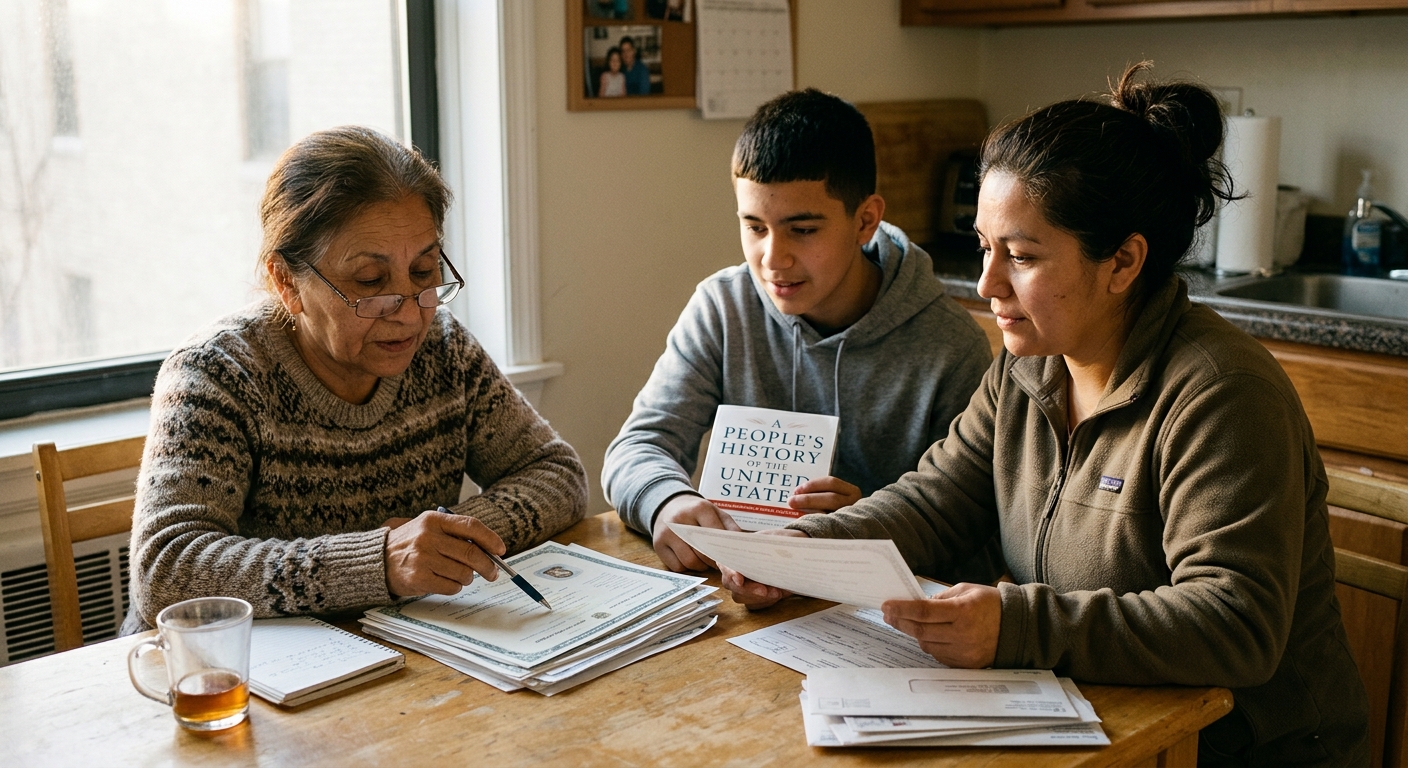
17 Jun American Identity Shifts Ahead of 250th Birthday
The Shifting Tides of American Identity and Political Dynamics
The United States is on the cusp of its 250th birthday, and it’s clear that social, political, and cultural shifts are transforming the nation’s identity and governance. Recent trends in family dynamics, political endorsements, and national pride shine a light on developments that carry weighty implications for America’s future.
Changing Family Structures: The Rise of Dual-Income Households
According to the Pew Research Center’s analysis of U.S. Census Bureau data, there’s a big change happening in family dynamics: more than half of American families with children now have both parents holding full-time jobs. That’s a jump from just 31 percent in earlier years. This trend is reshaping everything from economic policies to debates over childcare and family leave.
- More dual-income households reflect economic demands and evolving gender roles.
- Raises questions about work-life balance, childcare expenses, and the support systems needed for these families.
- This change also impacts political priorities, as families may push for policies that aid working parents.
Political Endorsements and the Power of Outsiders
In Georgia, the surprising win of Rick Jackson highlights the unpredictable nature of political endorsements. Even with former President Donald Trump backing another candidate, Jackson, a self-funded businessman, took the victory. This shows how outsider candidates can shake up traditional political landscapes, especially when they’re backed by significant financial resources.
“Jackson’s win is a testament to the changing dynamics within the Republican Party and the electorate’s appetite for non-traditional candidates,” political analyst Jane Doe observed.
This development poses important questions about how much influence political endorsements still hold and the role of money in politics. With midterm elections on the horizon, candidates might lean more on personal branding and financial clout to win over voters.
National Identity: A Decline in American Pride
Approaching its semiquincentennial, a PRRI poll reveals a dip in American pride. Just 51 percent of respondents now describe themselves as “extremely proud” or “very proud” of their American identity—a significant decline. This sentiment mirrors the cultural and political tensions that have been building in recent years.
- The drop in national pride is linked to a variety of factors, including political polarization, social justice movements, and economic uncertainties.
- This shift could impact upcoming elections, as candidates wrestle with addressing a populace questioning its national identity.
- The media plays a crucial role in shaping these narratives, as public perception often depends on how issues are portrayed.
As the United States confronts these interconnected dynamics, the relationship between family structures, political endorsements, and national identity will continue to influence the country’s direction. Grasping these changes is vital for citizens and policymakers as they engage in the ongoing discussion about America’s future.
No Comments