





18 Jun Trump’s Iran Deal Sparks Political Controversy
Trump’s Iran Deal Faces Backlash Amidst Broader Political Tensions
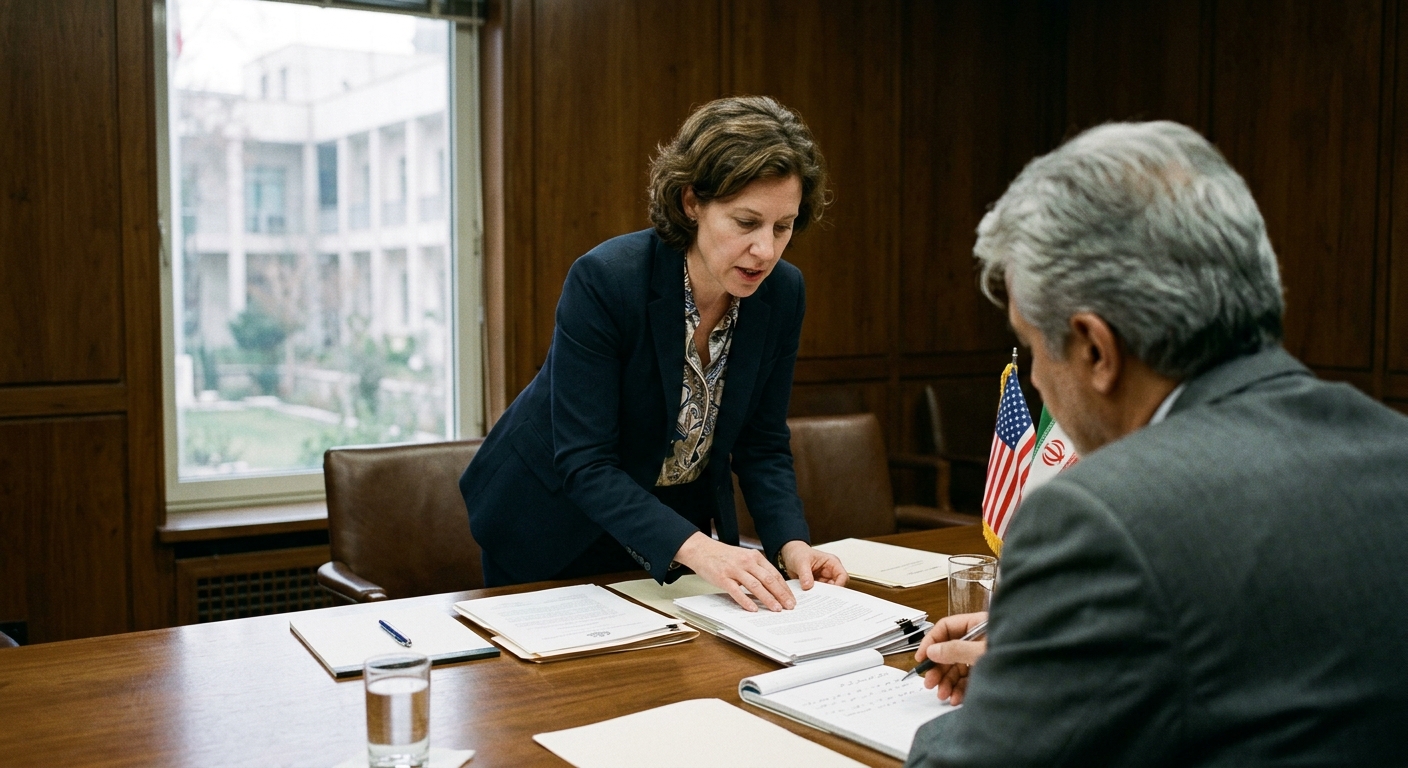
President Trump’s recent signing of a memorandum of understanding (MOU) with Iran, aimed at ending the longstanding conflict between the two nations, has stirred considerable debate and criticism. It’s part of a larger geopolitical story where domestic and international policies are weaving a complex tapestry of public perception and political dynamics.
A Controversial Agreement
Signed on Wednesday, the MOU is meant to halt hostilities between the United States and Iran. Critics, though, say the deal tilts too much in Tehran’s favor, granting it significant leverage without matching concessions. More on that below. Such criticism underscores the intricate nature of international diplomacy, where perceived imbalances often spark domestic scrutiny and political fallout.
Timing is everything. Trump’s administration is under pressure from various angles, including domestic policy challenges and the looming midterm elections. Engaging in this agreement might be an attempt to cast a positive light on international relations, but it’s also a gift to critics, offering them a chance to question the administration’s strategic priorities.
Political Repercussions
The Iran deal’s timing? Not a coincidence. It aligns with internal political shifts. Georgia Republicans just snubbed Governor Brian Kemp’s request to redraw the state’s 2028 voting maps. They see it as a power grab to shore up Republican strength ahead of future elections. This rejection? A setback for Trump, who’s been pushing hard for redistricting to snag more seats in Congress.
As if that weren’t enough, the administration’s proposed changes to grant allocations are stirring the pot. These changes could let Trump appointees sway funding decisions, further fueling debates about power balance within federal governance. Domestic strategies and international policies are interwoven, creating a complex landscape for policymakers and the public alike.
Public Perception and Media Influence
The media? Oh, they’re key in shaping how the public views these political moves. As stories unfold, different media outlets frame them in ways that influence public opinion and, eventually, political outcomes. In this information-heavy, often polarized era, discerning facts from noise is more critical than ever.
This intricate dance of political strategy, media framing, and public perception highlights why it’s crucial to question dominant narratives and explore various viewpoints. Doing so helps the public grasp the complexities behind political decisions like the Iran deal and their broader impact on national and global stages.
No Comments