







27 Jun Budapest Pride March 2023: A New Era of Hope
Budapest Pride Marches On: A New Era of Hope Amidst Hungary’s Political Shift
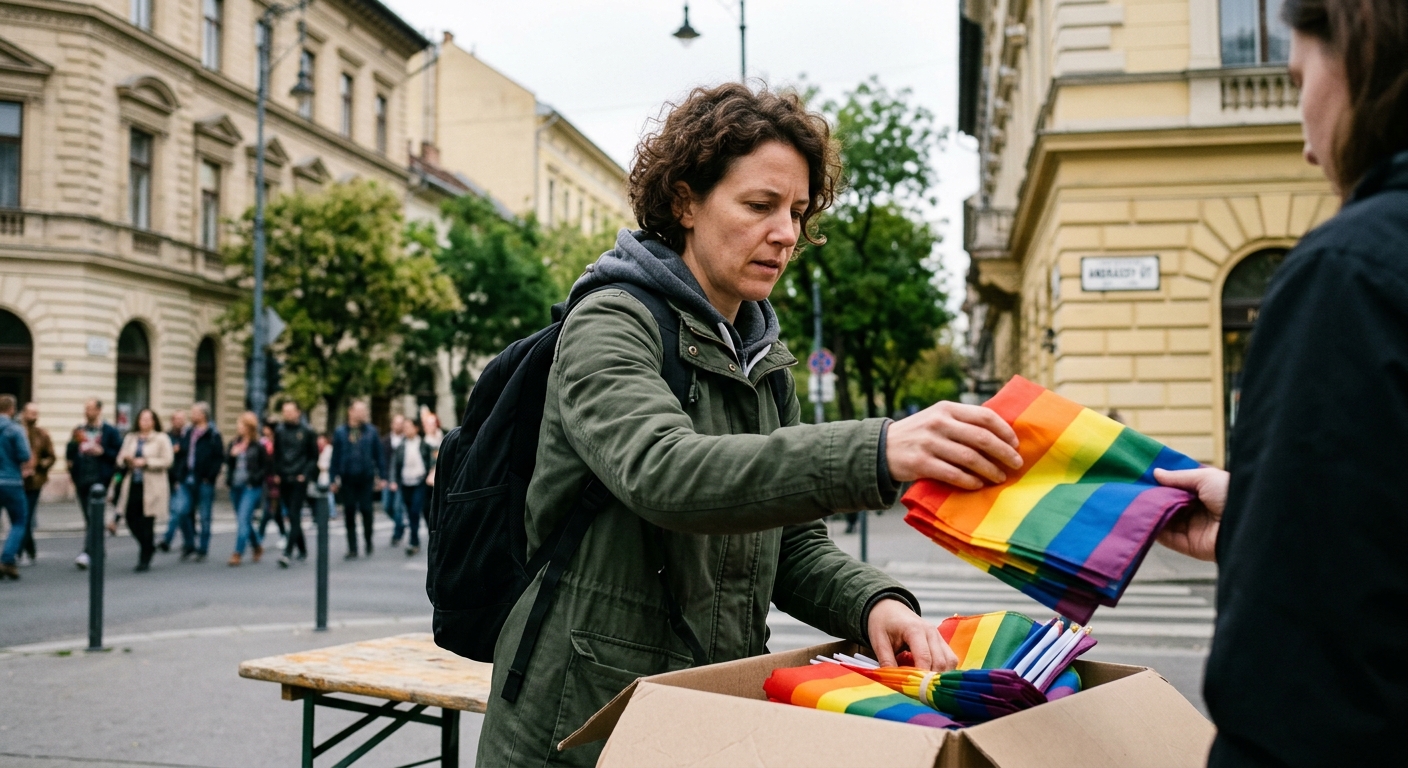
Tens of thousands gathered under the blazing sun in Hungary’s capital for the 31st annual Budapest Pride. This year’s march wasn’t just another parade. It was the first since former Prime Minister Viktor Orbán, who had attempted to ban such celebrations, was ousted. Starting at Budapest’s iconic Opera House, participants wove through the city’s core, crossing the Erzsébet Bridge over the Danube River. A new chapter of liberation unfolded.
The mood? Different—people felt it. A more relaxed, jubilant atmosphere, unlike in past years. Luca Új, a Pride regular, noted the happiness and diversity in the crowd. She attributed this to the political shift away from Orbán’s restrictive policies. This change isn’t merely symbolic; it’s a cultural evolution as Hungary navigates its political future.
The Political Context: From Suppression to Support
Orbán’s government, with its nationalist-populist stance, had tried to suppress LGBTQ+ rights, earning criticism from human rights groups and EU leaders. Last year, despite a ban, the Pride march went on. Over 350,000 people defied the restrictions—a clear political backlash against Orbán’s policies.
April’s election changed the game. Orbán was defeated by Péter Magyar of the center-right Tisza party. His government hasn’t yet repealed Orbán-era laws against Pride, but police allowing this year’s march hints at a shift towards acceptance. Kristóf Györgyi, at his first Pride, voiced hope for policy changes, especially regarding same-sex adoption debates in Parliament. A hopeful turning point.
Global Implications and the Role of Public Perception
The Budapest Pride march highlights Hungary’s evolving political scene, and the intricate dance between public perception and legislative action. It’s a case study of how grassroots movements can reshape national narratives and challenge political ideologies.
As Hungary settles into its new political reality, the world watches. Moving away from Orbán’s hardline policies might spark similar movements elsewhere facing these issues. The march didn’t just celebrate LGBTQ+ rights; it was part of a larger struggle for democratic freedoms and human rights.
Its success, despite remaining legislative hurdles, showcases the power of collective action and potential cultural shifts. Whether Hungary’s new leadership will convert this momentum into real policy changes is uncertain, but the march’s influence on public perception and political dialogue is crystal clear.
No Comments