







23 May China’s Mining Disaster Highlights Safety Concerns
China’s Deadliest Mining Disaster in Years Sparks Concerns Over Safety and Accountability
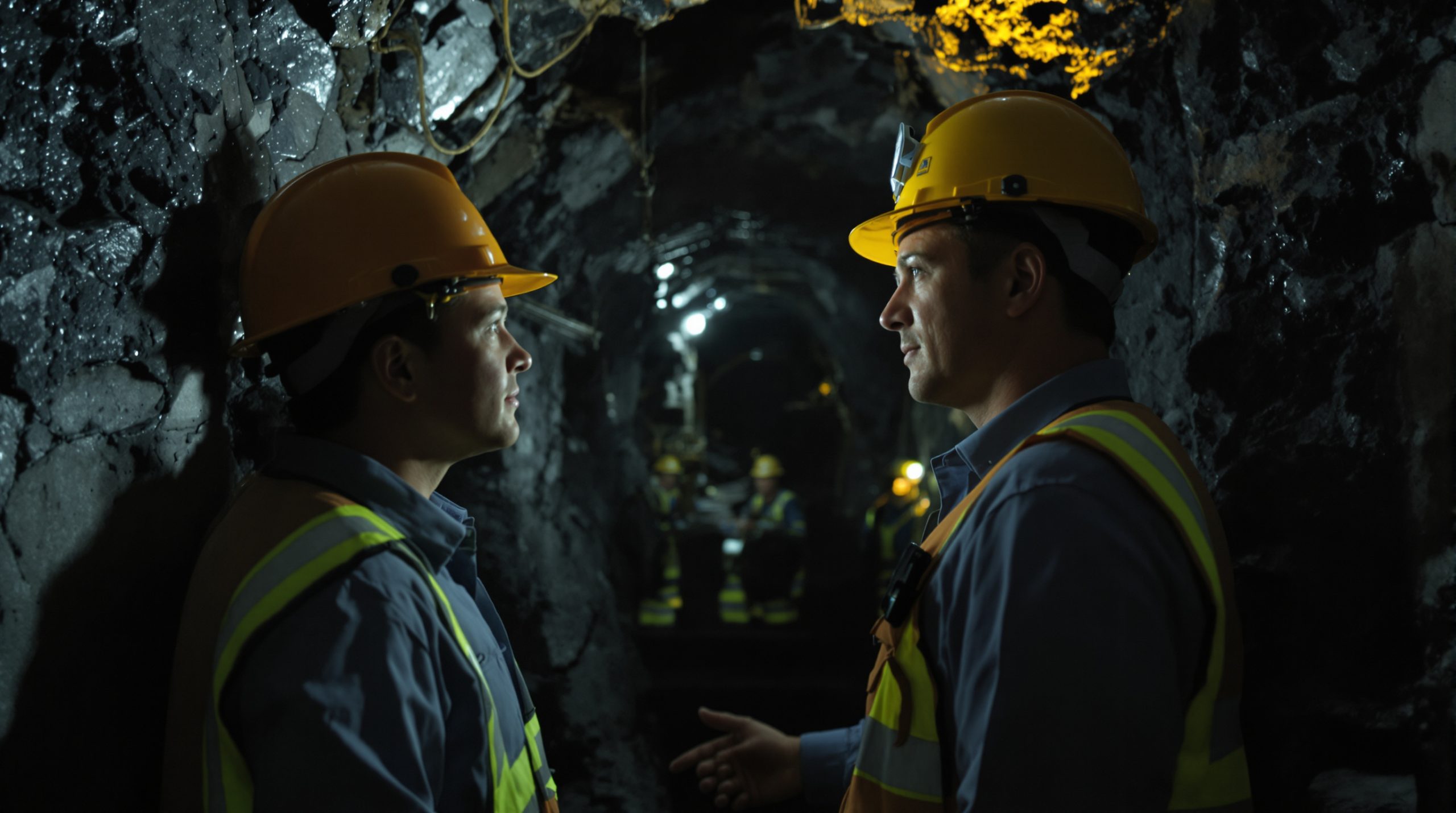
A devastating gas explosion ripped through a coal mine in northern Shanxi province, China, leaving a tragic toll: 82 people dead. It’s the deadliest mining disaster in the country in recent years, and it’s igniting a firestorm of debate over safety measures and regulatory oversight. The explosion occurred at the Liushenyu coal mine in Changzhi city, drawing both national and global attention to the critical issue of mining safety.
Details of the Tragic Incident
State media and local officials reported that the catastrophe struck on a Friday evening. A gas explosion shook the mine, triggering chaos and a desperate rescue operation. Initially, the death toll was thought to be 90, but authorities later confirmed it was 82 as rescuers continued their grim work. More than 120 people were injured, many suffering from exposure to toxic gases.
Survivor Wang Yong shared his terrifying experience with CCTV in a video interview. “I smelled sulfur like firecrackers and saw smoke. I told people to run,” he recalled. “As I ran, I saw people being choked by the smoke. And then I blacked out.” His words paint a vivid picture of the life-threatening chaos inside the mine.
Investigations and Accountability
President Xi Jinping has demanded a thorough investigation, stressing the importance of accountability and strict legal compliance. China’s State Council has dispatched an investigation team to conduct a “rigorous and uncompromising” probe. Early findings suggest “serious violations” by the mine’s operator, the Shanxi Tongzhou Coal & Coke Group, though specific details remain under wraps.
The mine, with an annual production capacity of 1.2 million tons, was flagged as high-risk by the National Mine Safety Administration for its “high gas content.” This designation raises questions about the effectiveness of safety protocols and regulatory adherence in managing known dangers.
Broader Implications for China’s Energy Sector
Shanxi province—China’s coal mining heartland—has long been at the center of debates on energy safety and sustainability. While China is progressively shifting towards green energy, coal’s affordability and availability keep it a staple energy source. In 2025, Shanxi accounted for nearly a third of China’s coal output, highlighting its crucial role in the national energy grid. But these recurrent mining accidents pose critical questions about prioritizing economic growth over worker safety. With China pushing forward its green energy agenda, enforcing stringent safety standards in coal operations becomes ever more urgent.
“The tragedy at the Liushenyu coal mine is a stark reminder of the inherent dangers in the mining industry and the pressing need for systemic reforms to ensure the safety and wellbeing of workers,” commented an industry analyst. “It challenges us to rethink how we approach energy production and occupational safety in a rapidly evolving economic landscape.”
Looking Ahead
The disaster at Liushenyu has reignited discussions surrounding mining safety and regulatory practices in China. As the investigation progresses, monitoring the findings and any resulting policy reforms will be crucial to preventing future tragedies. This incident stands as a grim reminder of the human cost of industrial advancement and the necessity of protecting the workers who power it.
No Comments