







22 May Stephen Colbert’s Farewell and Late-Night Changes
“`html
Stephen Colbert’s Final Bow and the Shifting Tides of Late-Night Television
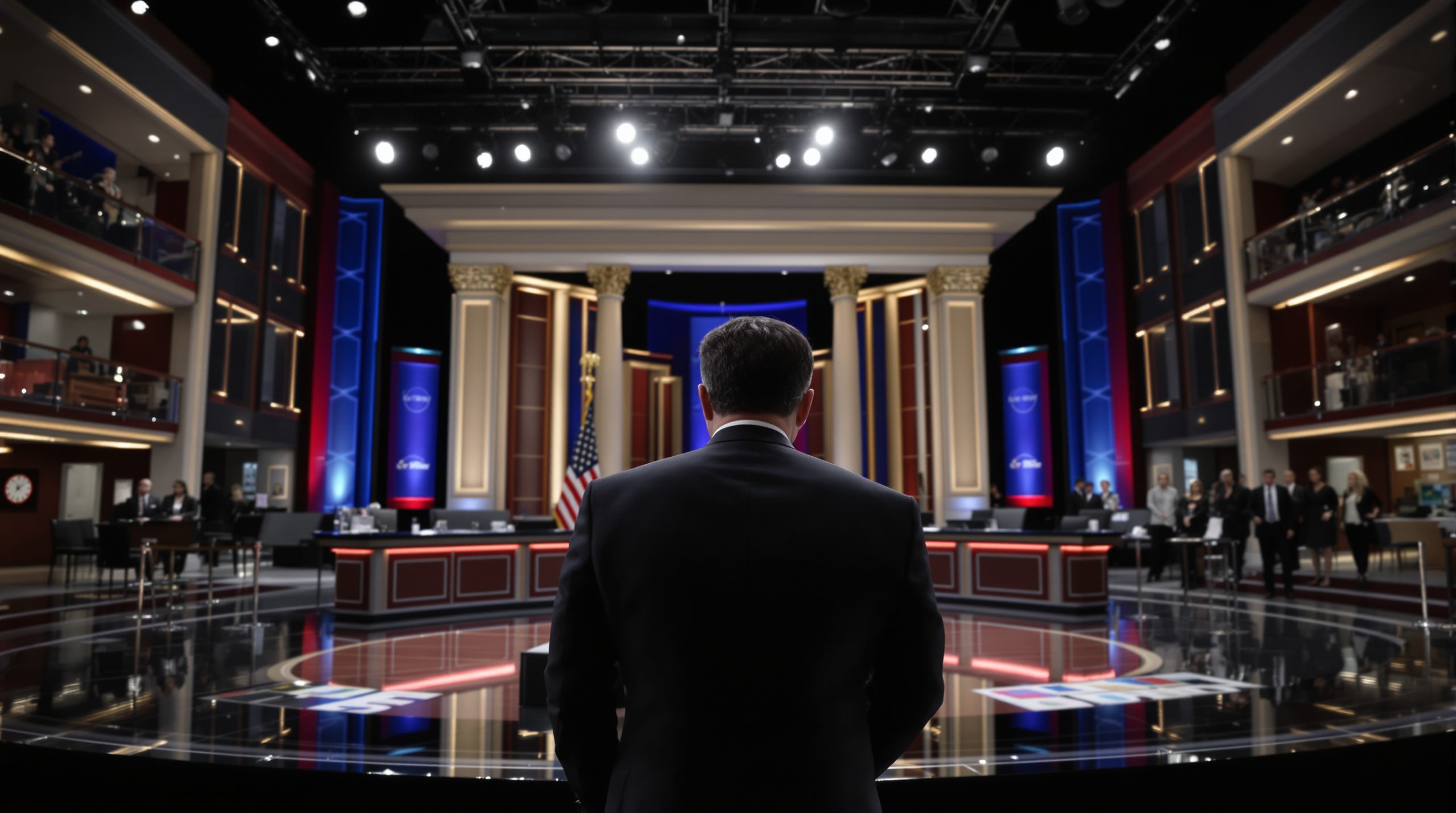
Stephen Colbert has taken his last bow on CBS’s “Late Show,” drawing the curtain on a significant chapter in late-night TV. David Letterman kicked off the franchise nearly 33 years ago, and now, Colbert’s era wraps up against the backdrop of a media world in flux. Paramount, the show’s parent company, had pulled the plug last year amidst a tricky merger during the Trump administration. In spite of this, Colbert’s final show burst with joy—featuring music icon Paul McCartney and a host of other notable guests.
The Changing Late-Night Ecosystem
Colbert stepping away from the “Late Show” is part of the broader changes sweeping through late-night television. These shows have long been cultural beacons, heavily influencing American conversations. But times are changing. More people are flocking to digital platforms for their dose of comedy and political insights, draining the traditional late-night audience. Once the realm of a few charming hosts, the format now jostles for attention with countless online creators and streaming options.
Paramount’s move to cancel the “Late Show” mirrors this evolution, as media empires rethink their strategies to keep up with shifting viewer habits. Colbert’s departure marks a crucial moment, yet it’s just a chapter in the ongoing story of networks adjusting their late-night rosters to serve a splintered audience.
Political Satire in a Polarized Climate
Known for his sharp political satire, Colbert carved out a unique niche during his “Late Show” years. He often pushed back against mainstream political narratives, offering a stage for alternative views and sparking critical discussions. In today’s deeply divided political environment, Colbert’s mix of humor and pointed observations struck a chord with audiences seeking something beyond the usual media fare.
As political cartoonists continue to hit home with their takes on political madness, Colbert’s legacy shines a light on satire’s lasting power as a vehicle for reflection and critique. The tricky dance between politics and media is a key player in shaping public views, and Colbert has undeniably left his mark on this intricate stage.
Looking Ahead: The Future of Late-Night
With Colbert’s “Late Show” wrapped up, there’s buzz about where late-night programming is headed. Media companies face the tough task of capturing the attention of a diverse, tech-savvy audience. To stay afloat, the new wave of late-night hosts may need to break out of traditional molds. Embracing digital avenues, creating interactive content, and forging cross-media partnerships might just be the ticket to staying relevant.
Colbert’s farewell is a touching nod to the cultural clout late-night TV holds and the constant changes this entertainment staple is undergoing. As the industry continues to evolve, it will be crucial to preserve the spirit of sharp commentary and cultural criticism that has always defined the genre.
“`
No Comments