







03 May Gas Prices Surge Amid Iran War’s Economic Impact
“`html
Gas Prices Surge Amidst Iran War: A Global Economic Ripple
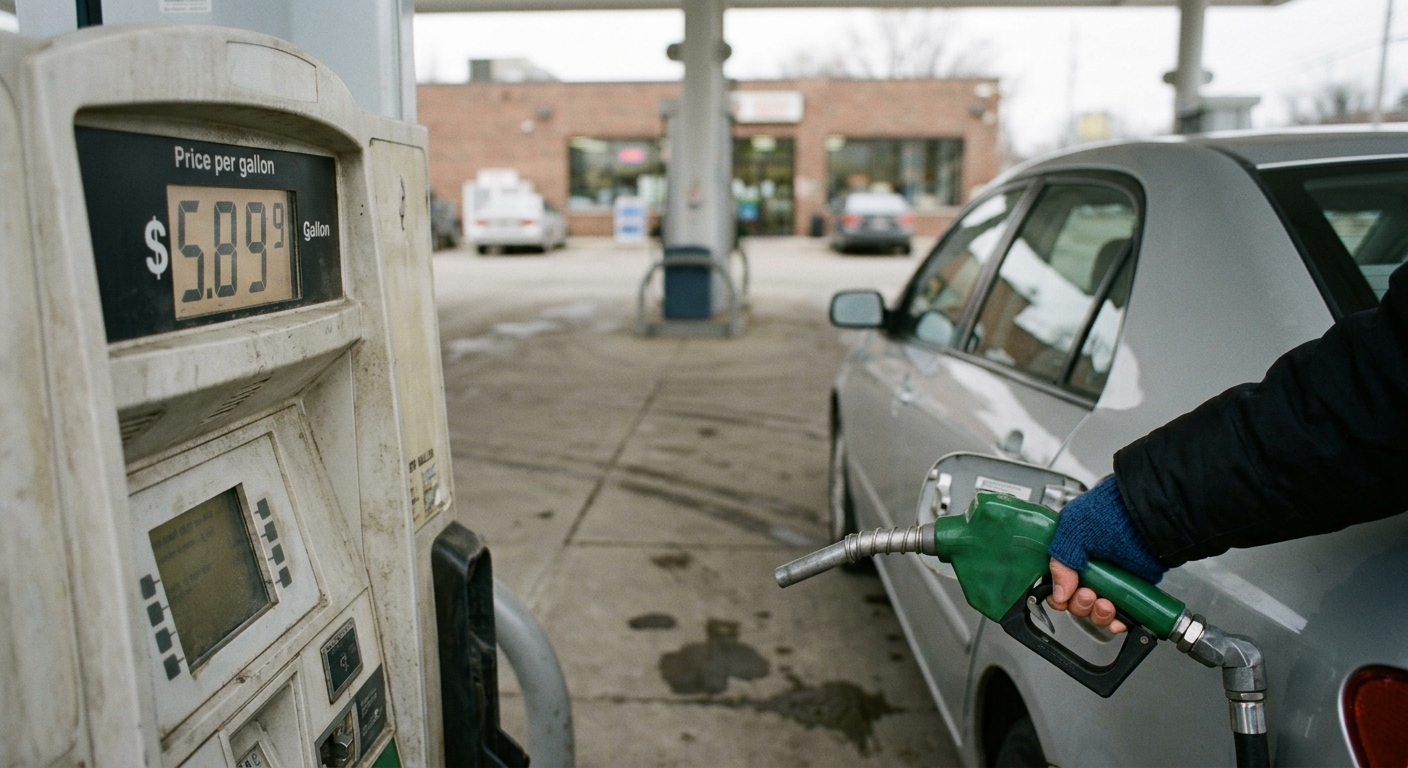
The recent escalation of gas prices in the United States, marked by a more than 30-cent increase per gallon last week, is not just an isolated economic event. It is indicative of a broader geopolitical tension stemming from the ongoing war in Iran and the resultant closure of the Strait of Hormuz. This strait, a crucial artery for global oil and natural gas trade, remains at the heart of a conflict that is influencing worldwide markets and consumer behavior.
The Strait of Hormuz and Global Oil Supply
The Strait of Hormuz is a strategic chokepoint that facilitates approximately a fifth of the world’s oil trade. Its closure has created a bottleneck that is causing oil prices to skyrocket, as seen with the average U.S. gas price climbing to $4.446 per gallon. Prior to the onset of the conflict in February, prices hovered around $2.98. This economic pressure is compounded by a depreciating U.S. dollar, which has lost about 10% of its value over the past year, further straining American consumers and businesses.
International and Domestic Responses
In response, the United States has announced “Project Freedom,” an initiative aimed at guiding stranded ships through the perilous waters of the Persian Gulf. This project, as stated by President Donald Trump, is not merely a logistical operation but a humanitarian effort to alleviate the plight of seafarers affected by the conflict. However, this initiative also underscores the delicate balance of power in the region, with Iran asserting control over the strait and challenging international norms of navigation.
Domestically, the U.S. Department of Energy has released 17.5 million barrels of crude oil from the Strategic Petroleum Reserve to mitigate rising fuel costs. Meanwhile, OPEC+ nations have pledged to increase oil production by 188,000 barrels per day starting in June, a move aimed at stabilizing the market.
Economic and Political Implications
The implications of the current crisis extend beyond immediate economic concerns. As prices at the pump rise, Americans face increased costs for imported goods and travel, placing further pressure on an economy already grappling with inflationary trends. The possibility of a recession looms as a potential consequence of prolonged high prices, which could ultimately depress demand and lead to a market correction.
Politically, the situation places the U.S. administration in a challenging position, having to navigate complex international waters while addressing domestic economic concerns. The outcome of ongoing negotiations with Iran could significantly influence not only the resolution of the conflict but also the future trajectory of global oil prices.
This intricate interplay of geopolitical, economic, and domestic factors underscores the multifaceted nature of current global challenges. As the world watches, the resolution of the Iran conflict and the reopening of the Strait of Hormuz remain pivotal to restoring economic stability and easing the burdens on consumers worldwide.
“`
No Comments