






31 May Iran’s Strength and America’s Political Landscape
The Politics of Perception: From Iran’s Strength to America’s 250th Celebration
Geopolitical complexities and political theater seem to rule our world lately. This week unravels new stories that spotlight the tango between media spins, political tactics, and how the public sees it all. From the Middle East to Washington, D.C., it’s a constant tug-of-war between reality and what we think is real.
Iran’s Strength in the Modern Conflict Landscape
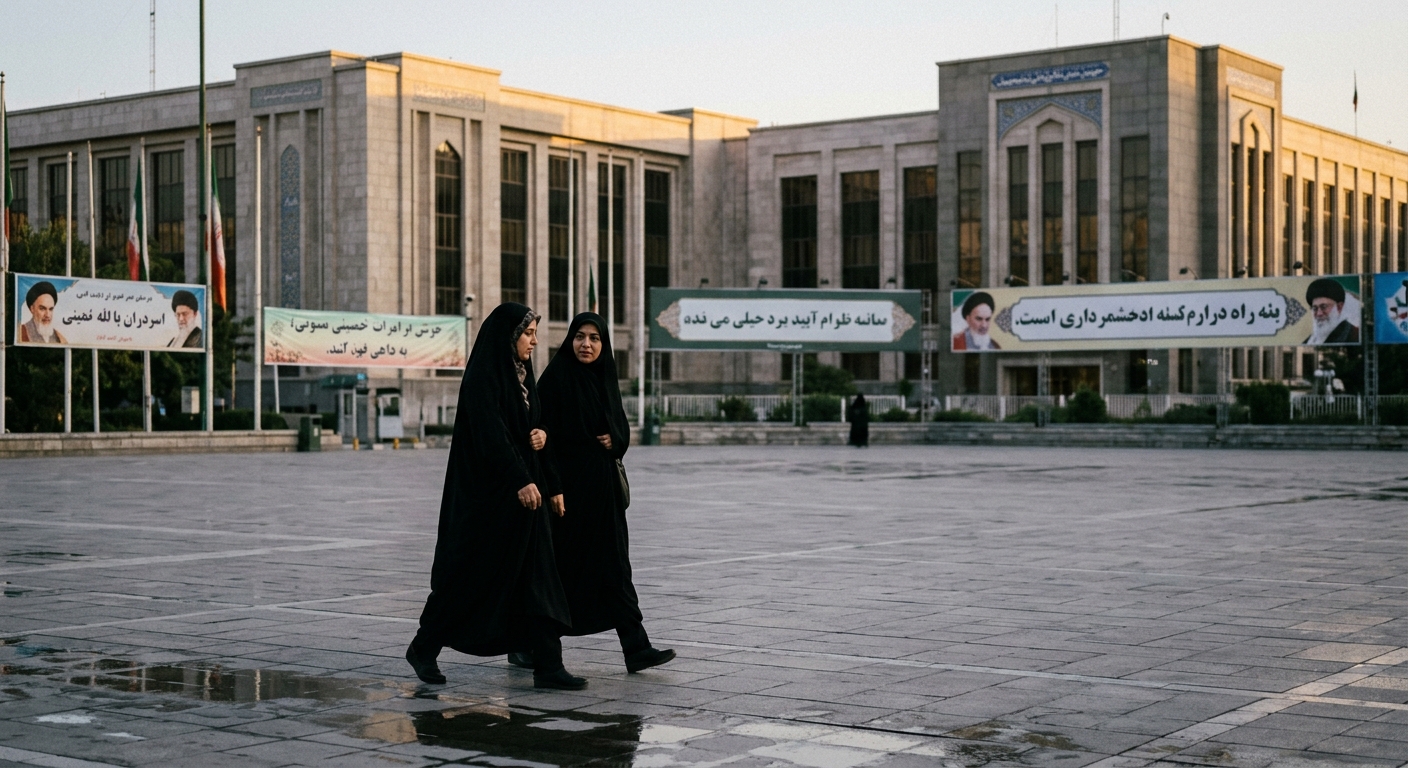
Senator Chris Coons (D-Del.) had some interesting thoughts on Iran, suggesting they’ve come out stronger post-conflict with the U.S. after three months. That’s quite the assertion, isn’t it? Coons talked about how Iran’s leaning into cost-effective yet powerful drone tech, allowing them to influence major shipping lanes like the Strait of Hormuz. This shift? It’s not just a blip—it’s part of a broader move where unconventional tactics are flipping old power dynamics on their head.
The fallout from this? It’s diverse. It shows how traditional military tactics might be hitting a wall when it comes to dealing with regional foes. And, it’s a wake-up call for diplomacy, suggesting brute force isn’t cutting it in Iran’s new strategic game.
Trump Administration’s Legal Exodus and the MAGA Rally Proposal
Back home, Trump’s administration is dealing with its own drama. The President has addressed what some see as a mass lawyer Exodus—over 10,000 legal minds leaving federal positions since late 2024. Instead of turmoil, Trump paints this as a win, a chance to shed the ‘swamp’ dwellers, which plays well with his base.
The noise doesn’t stop there. The upcoming 250th anniversary celebration of the U.S., the Great American State Fair, has hit a snag. Artists are pulling out, and Trump’s suggesting turning it into a MAGA rally. Critics are buzzing, questioning whether this event is veering from a national celebration into a political stage for him.
The Platner Campaign and the Power of Personal Narratives
Over in Maine, Graham Platner, a Democratic Senate hopeful, is swimming through choppy waters. Allegations about explicit texts and past insensitive comments haunt his campaign. His wife, Amy Gertner, has come out swinging at the media for zeroing in on personal stuff. Platner’s saga isn’t a one-off; it’s a sign of the times. Personal stories are increasingly impacting how candidates are perceived, with voters juggling candidates’ private lives and public policies. The line between public and private? Blurring more each day.
Conclusion: Navigating a New Political Reality
These threads weave a complex tapestry of today’s political discourse, where perception can match—and sometimes trump—reality in shaping opinions. As the U.S. faces its own set of hurdles, externally and internally, the dance between media narratives, strategic spins, and political deeds remains a captivating space for reflection. And a little scrutiny, too.
No Comments