







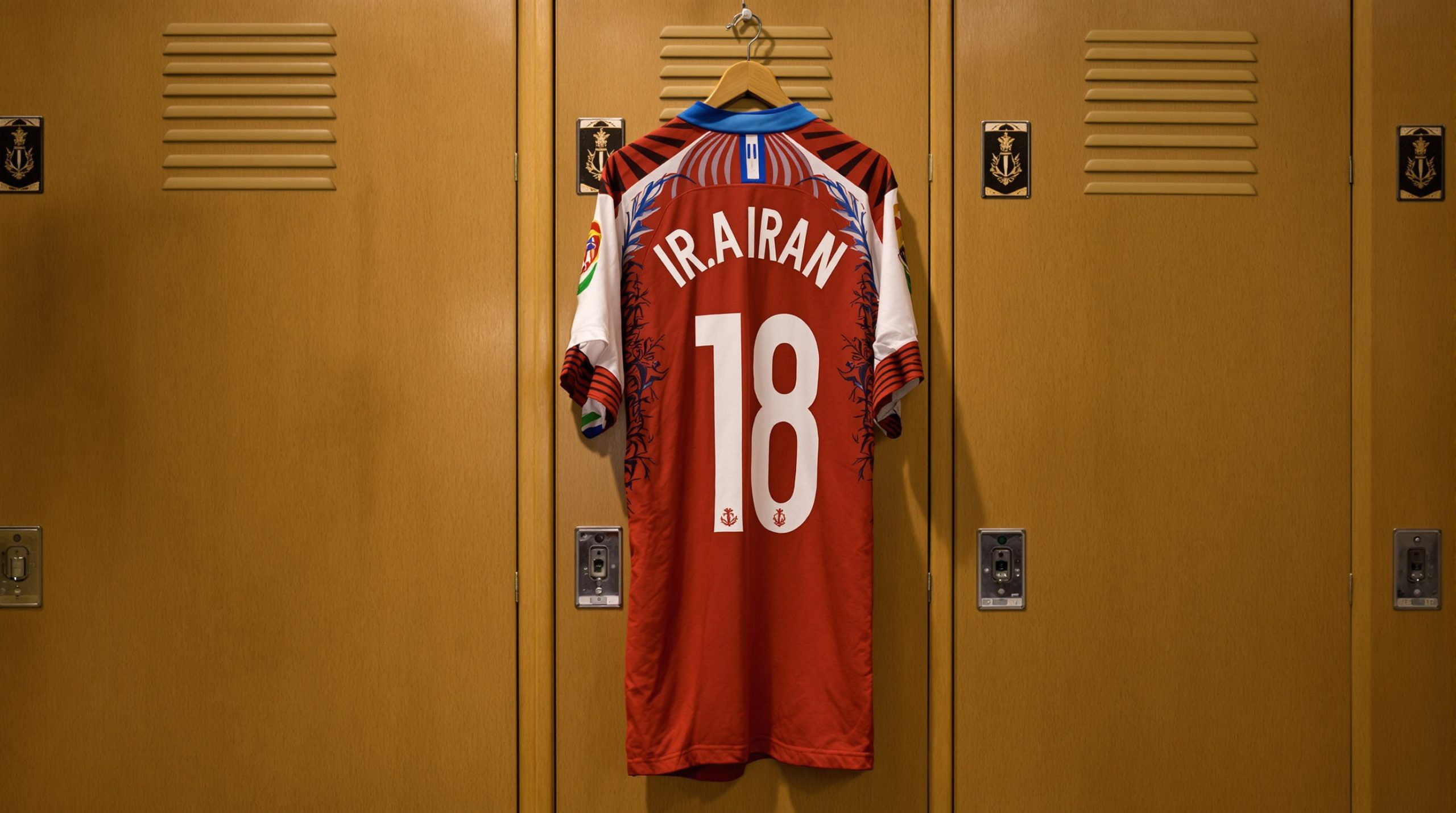
25 May Iran’s World Cup Team Moves to Mexico Amid Tensions
Analyzing the Geopolitical Undertones of Iran’s World Cup Base Move Amidst Escalating Tensions
Iran’s World Cup soccer team is setting up camp in Mexico, a decision that comes amidst the escalating conflict back home. On the surface, it looks like a sports logistics issue, but dig a little deeper and it’s clear there’s more at play—international relations, political strategy, and sports diplomacy are all tangled up in this move.
Mexico’s Diplomatic Stance
Mexican President Claudia Sheinbaum decided to host Iran’s World Cup team in Tijuana, a move that’s already causing chatter. Sheinbaum says Mexico has “no issue” with hosting them, aiming to keep things friendly with both Iran and its neighbors to the north. With the U.S. hesitant to welcome the Iranian team—unsurprising given the war with Iran that started in February—Mexico’s decision signals its willingness to step into the diplomatic spotlight.
Impact of U.S.-Iran Tensions
The shift from Tucson, Arizona, to Tijuana isn’t just about changing accommodations; it reflects the strained relations between the U.S. and Iran. U.S. sanctions complicate interactions, affecting choices like where the team stays. President Trump says Iran can join the tournament, yet the U.S. is cautious about hosting them. Talk about mixed messages.
Implications for International Sports and Politics
Sports and politics often intersect, and this is a prime example. International competitions can be platforms for diplomatic gestures. FIFA’s approval of the move points to its role in managing geopolitical nuances while keeping the global games running smoothly. Will Iran’s presence in Mexico open the door for sports to bridge political divides? Maybe.
Regional Dynamics and Security Concerns
The ongoing conflict in Iran, involving the U.S. and Israel, throws security concerns into the mix. Bringing the team to Mexico, so close to California, complicates things regionally. How will security be handled? The coordination between Mexico, the U.S., and FIFA will be crucial to ensure the team’s safety and the tournament’s integrity.
The Broader Geopolitical Context
With the 2026 World Cup on the horizon co-hosted by the U.S., Canada, and Mexico, this scenario offers a glimpse into the future. Geopolitics might heavily influence how that event unfolds. The relocation of Iran’s base camp shows how sports can mirror larger geopolitical stories, shaping perceptions and diplomatic interactions.
In conclusion, while the World Cup aims to celebrate global unity and sportsmanship, Iran’s base move reveals the complex dance of diplomacy, national interests, and the universal language of sports. As this story develops, it will be essential to watch how these elements play out on the world stage, potentially setting new standards for future international sporting events.
No Comments