







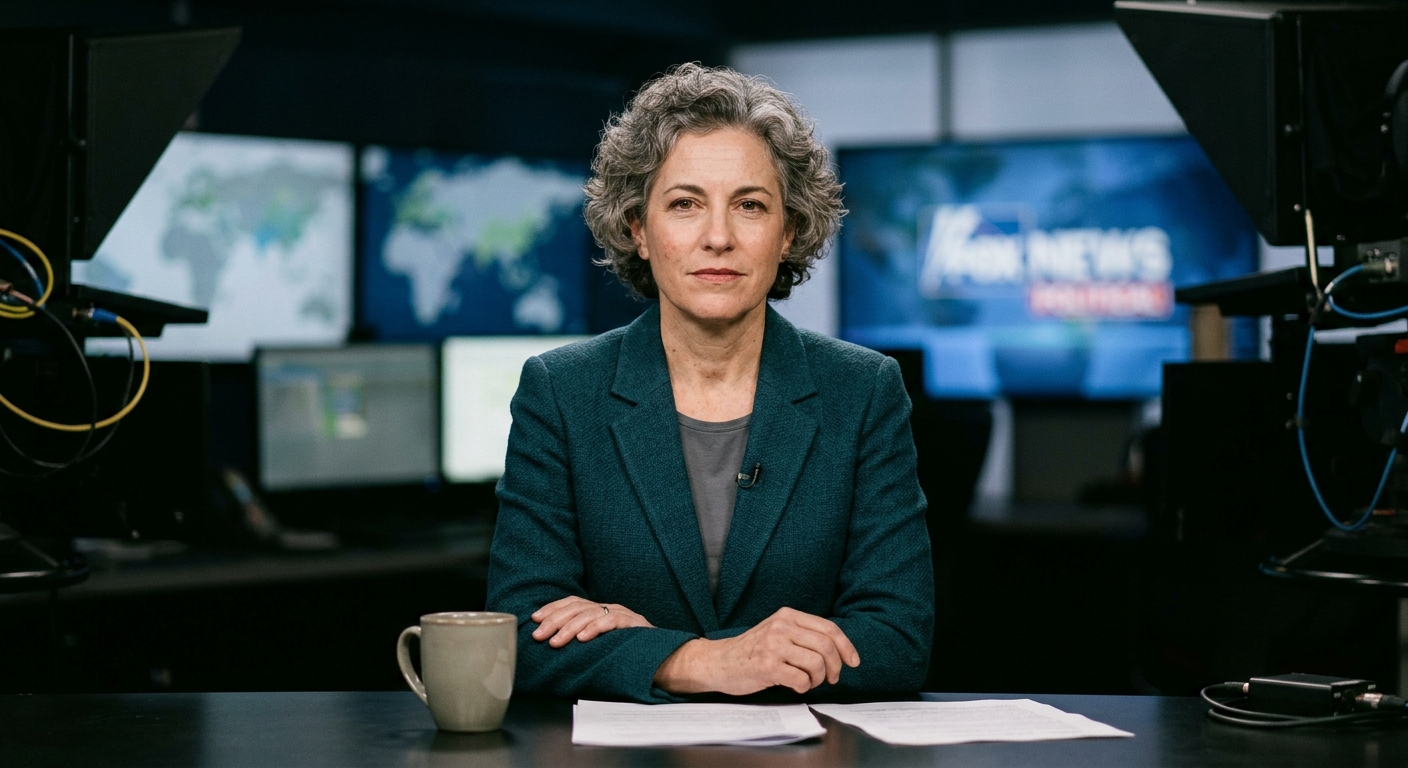
03 Jun Media Influence on Politics and Public Perception
“`html
The Complex Interplay of Media, Politics, and Public Perception
In a world driven by a relentless news cycle, the dance between media influence, politics, and public perception has never been more intricate. Digital platforms have revolutionized the way information spreads, shakes opinions, and incites action. Look closer, and you’ll see this dynamic play out vividly in recent political decisions and controversies. Whether it’s the role of law enforcement in the lives of public figures or the tangled web of international relations, it’s all connected.
Political Appointments and Controversies
Take, for example, the stir caused by former President Donald Trump’s decision to appoint Bill Pulte as the acting director of national intelligence. Pulte’s lack of intelligence experience but unwavering loyalty to Trump raises eyebrows over the criteria for such crucial appointments. This move highlights the never-ending debate over the qualifications needed for key government roles—often, loyalty trumps expertise. The Justice Department’s choice to dismiss Trump’s proposed $1.8 billion “anti-weaponization fund” is another chapter in the saga, underscoring the difficulty of pushing through politically sensitive initiatives amid legislative pushback.
Media Framing and International Relations
Then there’s Iran. The strategic and economic intrigues surrounding the Strait of Hormuz offer a window into the tangled world of international politics. Former President Trump’s handling of the situation with Iran shows the fine line between military strategy and political chess. Dubbed “Schrödinger’s ceasefire,” his approach highlights the paradox of seeking resolution without paying the price. It’s a concept straight out of quantum physics, capturing the unpredictable and complex nature of geopolitical decision-making.
Cultural Commentary and Public Perception
Media’s reach extends beyond political appointments and foreign affairs—it dives into the realm of cultural commentary too. Look at the fallout from the removal of royal police officers after inappropriate remarks. While these incidents might seem one-off, they paint a larger picture of accountability and the critical role of law enforcement in preserving public trust.
Conclusion: Navigating a Complex Media Landscape
We live in an age of abundant, yet often fragmented, information. Grasping the interplay between media, politics, and public perception is crucial. Platforms like Purple Voice aim to cut through the noise, offering insights that challenge the status quo and encourage independent thought. For us, the media consumers, it’s vital to critically assess the information we’re fed, recognizing the impact of media framing and the underlying narratives shaping our worldview.
“`
No Comments