




08 Jun Middle Eastern Relations: Tensions and Strategies
Geopolitical Tensions and Domestic Pressures: The Complex Web of Middle Eastern Relations
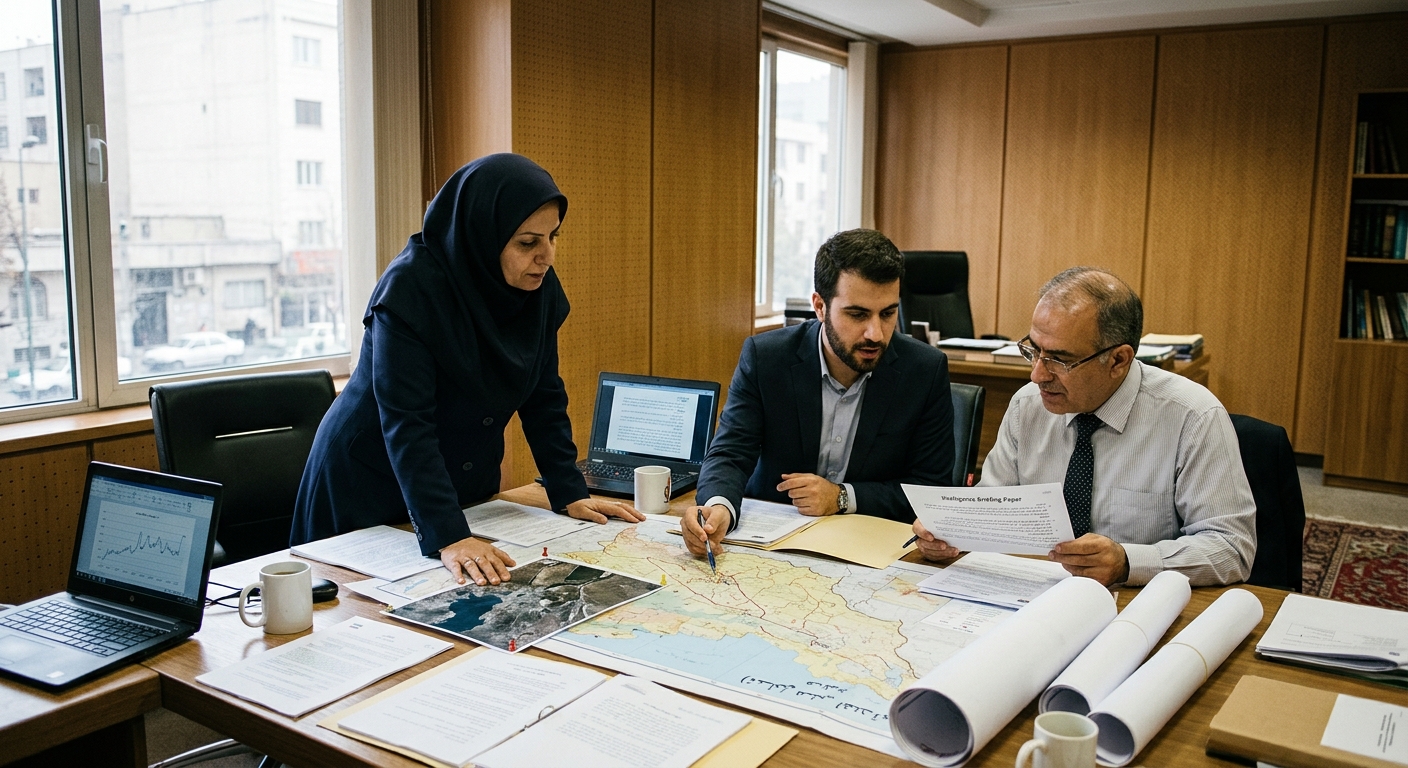
Middle Eastern politics is a web of intricate dynamics. The recent flare-up between Iran and Israel is more than just a regional skirmish — it’s a snapshot of global economic pressures, domestic hurdles, and tactical maneuvers. Iran’s choice to provide direct military backing to its proxy groups signals a marked departure from its usual strategy of indirect influence.
Iran’s Calculated Move Amid Domestic Struggles
Iran’s economy is feeling the heat. Inflation is skyrocketing, and basic goods are slipping out of reach for its people. The closing of the Strait of Hormuz has just piled on, cutting a crucial economic lifeline. Viewed one way, the regime’s actions could be seen as a bid to use geopolitical tensions to claw back some sanctions relief — a necessity for maintaining domestic stability. Miad Maleki pointed out that the regime might be trying to exploit an apparent rift between President Trump and Israeli Prime Minister Netanyahu, hoping to gain an upper hand in negotiations.
Israel’s Strategic Response and Regional Implications
Israel’s interception of a mysterious aerial object from Yemen, a hotbed of Iran-backed groups, underscores the simmering tensions and the ongoing strategic chess match between these nations. This incident shows Israel’s readiness to tackle threats from all sides — a must, given the region’s tangled web of proxy affiliations.
For Israel, this escalation is a two-pronged challenge: ensuring security while juggling international diplomatic pressures. If Iran steps directly into the fray, Israel might have to rethink its strategic playbook, potentially shifting its role in broader peace talks and regional alliances.
The Ripple Effect on Global Markets
The immediate economic impact of these geopolitical tensions is apparent in the global oil market’s swings. As conflicts heat up, so does market volatility, proving once again how tied together geopolitical stability and economic health are. We saw this dynamic as oil prices initially spiked after the escalation but eventually leveled out, hinting at market resilience in the face of uncertainty.
A Broader Context: Climate and Economic Pressures
Meanwhile, domestic issues, like the dwindling water supply in the American West, highlight the varied challenges countries are up against. The Colorado River — a lifeline for millions — is drying up due to relentless drought and overuse. With the clock ticking on a new Colorado River Compact, the pressure for regional cooperation mounts, showing how climate change is pushing nations to tackle urgent policy decisions.
Amid these challenges, the global market’s fixation on AI technology continues to make waves. The recent rebound in AI stocks post-sell-off is a testament to market optimism — yet it also prompts questions about whether this rapid growth can hold up.
Conclusion: Navigating Complex Realities
The Middle East conflict, economic strains at home, and the dynamics of global markets are all part of the tangled web that countries must steer through. As the situation between Iran and Israel unfolds, the broader ripples for international diplomacy, economic stability, and domestic policy are ever-evolving — requiring a careful blend of insight and strategic foresight.
No Comments