







30 Jun Politics and Climate: A Global Perspective
Unpacking the Intersection of Politics, Climate, and International Relations: A Global Perspective
The world is a stage of shifting political and environmental dynamics. Recent events spotlight how politics, climate, and international relations intertwine to shape our reality. Take the U.S. Supreme Court’s campaign finance ruling, the Midwest’s punishing heatwave, the stalled U.S.-Cuba negotiations, and Denmark’s Olympic ambitions for its territories — each tells a part of this larger narrative of change and challenge.
U.S.-Cuba Relations: Economic Reforms and Political Tensions
The standoff in U.S.-Cuba talks, despite Cuba’s sweeping free-market reforms, highlights a complex dance. Cuban Foreign Minister Bruno Rodríguez insisted these reforms are a matter of sovereignty, pointing to a gulf between economic shifts and U.S. diplomatic gestures. This is unfolding against a backdrop of fresh U.S. sanctions aimed at Cuban leaders and critical economic areas, deepening the island’s hardships.
Cuba’s reforms — the most significant since the revolution — echo some U.S. calls for change. Yet, enduring U.S. sanctions and an energy embargo exacerbate the humanitarian crisis, with blackouts and service outages hitting hard. Rodríguez’s comments during a U.N. General Assembly debate underscore the geopolitical and humanitarian stakes at play.
Climate Extremes: The Midwest Heatwave
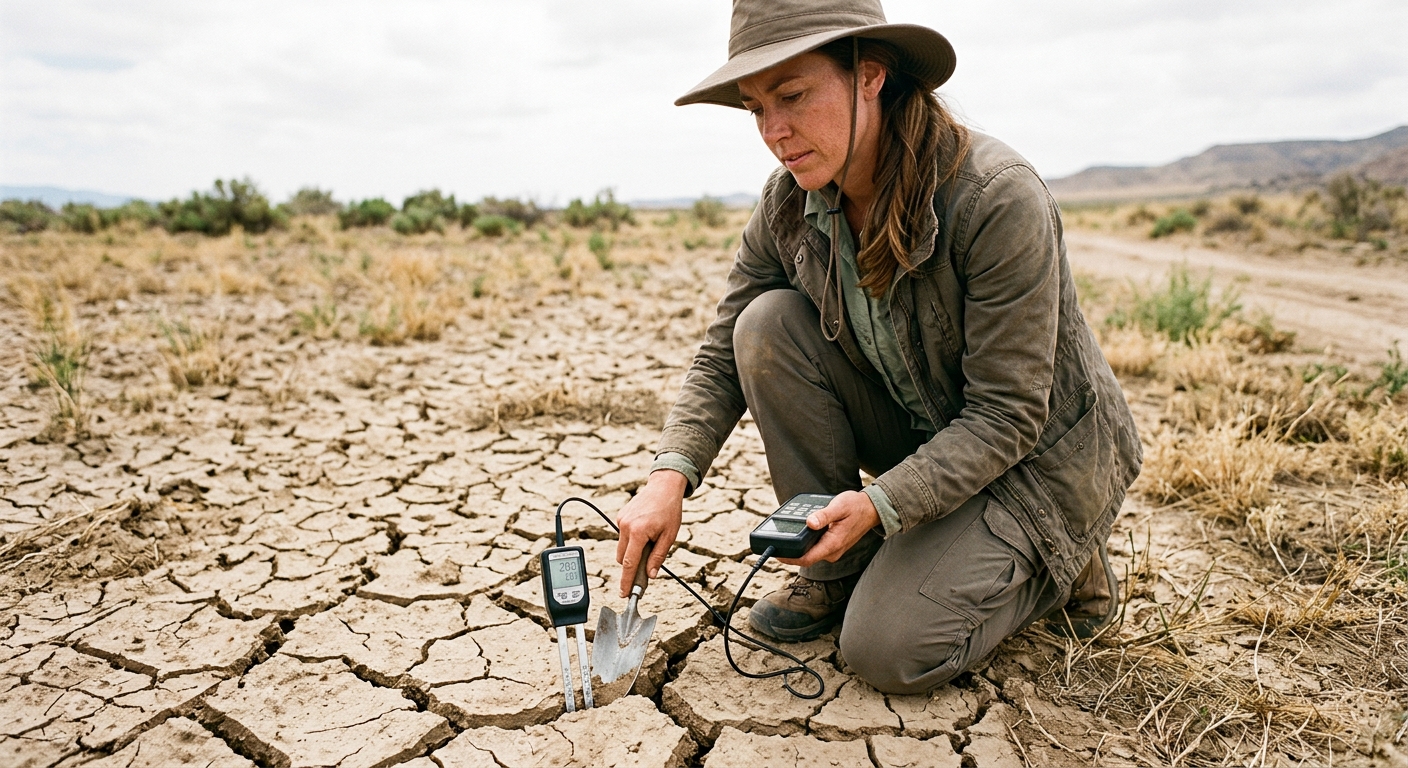
While political tensions brew globally, the Midwest deals with its own crisis — a blistering heatwave. The National Weather Service issued extreme heat alerts as temperatures blew past 100 degrees Fahrenheit in numerous states. Such heat strains urban infrastructure, causing roads in Illinois to buckle and public services to falter.
Communities are scrambling — cooling centers are opening, and free access to air-conditioned spaces is offered. Yet, ongoing high nighttime temperatures hinder natural cooling and raise public health alarms.
Supreme Court Ruling: A New Chapter in Campaign Finance
The U.S. Supreme Court recently axed limits on political party spending, marking a seismic shift in campaign finance. This decision, another in a string easing financial curbs, signals the court’s preference for First Amendment rights over regulatory measures meant to quell corruption risks.
Justice Brett Kavanaugh, representing the majority, portrayed this decision as a way to level the political playing field. However, dissenters worry about a rise in corruption, with Justice Elena Kagan warning of political parties potentially becoming unchecked financial channels for candidates.
International Identity: Denmark’s Olympic Appeal
Globally, Denmark’s bid for the IOC to acknowledge Greenland and the Faroe Islands as separate teams underscores sovereignty and representation issues. While current IOC policies make success unlikely, Denmark’s move is part of a larger geopolitical plan, especially given prior U.S. interest in Greenland.
The IOC has historically only recognized fully independent states. Still, Denmark’s push reflects its drive to enhance the global presence of its territories, linking sports to national identity and autonomy.
A Global Tapestry of Challenges and Change
These stories together paint a vivid picture of a world wrestling with persistent and emerging challenges. Be it in the realm of international diplomacy, adapting to climate stress, reshaping campaign finance, or asserting national identities, it’s clear we’re in a time of flux. As these threads unfold, they prompt deeper reflections on what shapes our global society and the way forward amid complexity and contention.
No Comments