






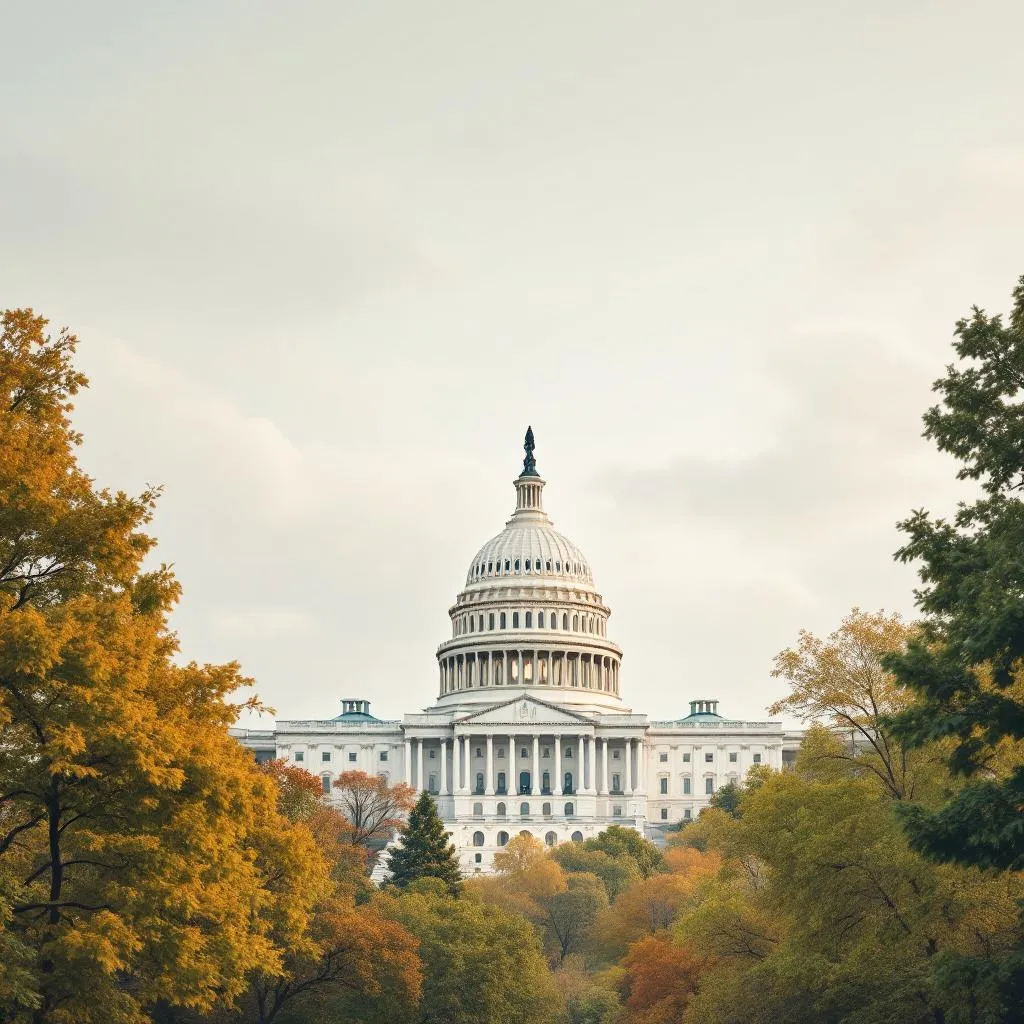
13 Apr Politics, Religion, and Immigration in the U.S.
The Intersection of Politics, Religion, and Immigration: A Closer Look
Recent events have spotlighted the complex interplay between politics, religion, and immigration in the United States, with former President Trump at the center of controversies that reveal deeper issues in American governance and public discourse. As Trump engages in a public spat with Pope Leo XIV and Congress wrestles with immigration funding, these stories illustrate how political narratives are shaped and influence public perception.
Trump vs. Pope Leo XIV: A Clash of Ideologies
Former President Donald Trump has once again captured headlines by publicly criticizing Pope Leo XIV, accusing the pontiff of being “weak on crime” and a poor steward of foreign policy. This conflict seems to stem from the Pope’s vocal opposition to the Iran war, a stance that Trump has not hesitated to challenge.
Trump’s refusal to apologize for his comments, as reported in various media outlets, underscores a broader trend of political figures engaging in public disputes that transcend traditional political boundaries. This conflict is emblematic of a larger cultural shift, where political leaders increasingly engage with religious figures on issues that blend moral and political dimensions.
ICE Funding: Congressional Maneuvering and Political Implications
In a related development, the enormous $75 billion funding boost for Immigration and Customs Enforcement (ICE) has sparked significant debate in Congress. This financial windfall, which was part of the One Big Beautiful Bill Act crafted primarily by Republicans, has effectively insulated ICE from Democratic efforts to impose reforms.
The use of budget reconciliation to pass such significant funding without Democratic support highlights the strategic maneuvering within Congress to advance party-specific agendas. Critics argue that this approach undermines the checks and balances intended by the Constitution, particularly when it comes to fiscal oversight of federal agencies.
Media Framing and Public Perception
The media’s role in shaping public perception of these events cannot be overstated. The depiction of Trump’s conflict with the Pope and the ICE funding controversy reflects broader narratives about the intersection of politics, religion, and governance. The framing of these stories can influence how the public understands and reacts to complex issues, often reducing them to simplified binaries.
As the political landscape continues to evolve, the importance of critically evaluating media narratives becomes increasingly vital. By questioning dominant narratives and seeking out overlooked viewpoints, citizens can engage more thoughtfully with the information presented to them. This approach aligns with the goals of platforms like Purple Voice, which strive to foster independent thought amidst an era of information overload.
Ultimately, these recent developments serve as a reminder of the intricate connections between political actions, religious ideologies, and media influence. As citizens and lawmakers grapple with these challenges, the need for nuanced understanding and open dialogue remains paramount.
No Comments