







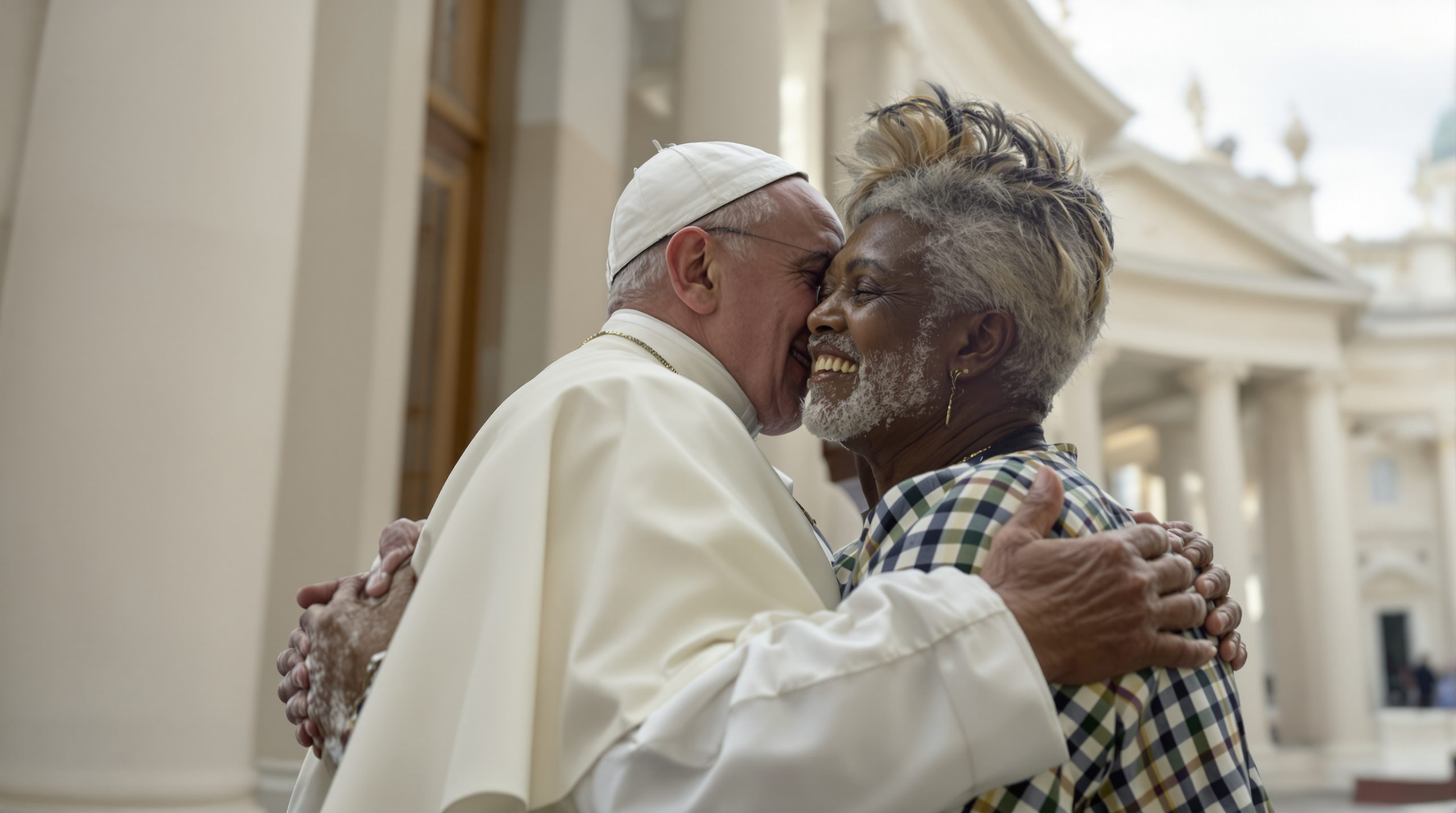
25 May Pope Leo XIV’s Historic Apology on Slavery
Pope Leo XIV’s Apology: A Momentous Step in Addressing Historical Wrongs
Pope Leo XIV recently issued an apology for the Vatican’s role in legitimizing slavery, marking a pivotal moment in the Catholic Church’s effort to confront its historical involvement in the trans-Atlantic slave trade. Leo himself described this acknowledgment as a “wound in Christian memory,” highlighting a significant shift in addressing the church’s past actions and their enduring impact on today’s world.
Acknowledging Historical Complicity
Historically, Vatican directives like the 15th-century papal bull Dum Diversas allowed European leaders to conquer and enslave non-Christians, effectively endorsing the trans-Atlantic slave trade. Pope Leo XIV’s apology is groundbreaking as it directly addresses the institutional roles played by past popes in this grim chapter of history. Unlike previous apologies that centered on individual Christian involvement, this one tackles the systemic nature of the church’s actions head-on.
In his encyclical “Magnifica Humanitas,” Pope Leo draws parallels between historical slavery and modern threats from the digital revolution—new forms of colonialism and exploitation. This connection reminds us that historical injustices remain relevant, urging vigilance to protect human dignity in the digital age.
Reactions and Implications
The apology has been widely acclaimed by Black American Catholics, activists, and scholars advocating for the church to acknowledge its role in perpetuating white supremacy and systemic racism. Historian Shannen Dee Williams calls it a “monumental step toward essential truth-telling and reparation.”
By admitting to the Vatican’s past wrongs, Pope Leo’s apology not only addresses centuries of silence but also sets the stage for meaningful dialogue and reconciliation. It challenges the church and its followers to face uncomfortable truths and work towards dismantling enduring systems of anti-Black racism that persist today.
Broader Context and Future Directions
This apology emerges at a time when global institutions, including religious ones, are increasingly pressured to address historical wrongs and their lasting legacies. Pope Leo’s acknowledgment sets a precedent for other institutions, highlighting the need for transparency and accountability in confronting historical injustices.
As the Catholic Church moves forward, this apology could lead to reparative measures and educational initiatives addressing the historical and ongoing impact of slavery. It’s a reminder that confronting the past is crucial for building a more just and equitable future.
No Comments