







23 Jun Rastafari Rights and Supreme Court Ruling Explained
Rastafari Rights and the Supreme Court: A Case of Religious Freedom and Legal Limits
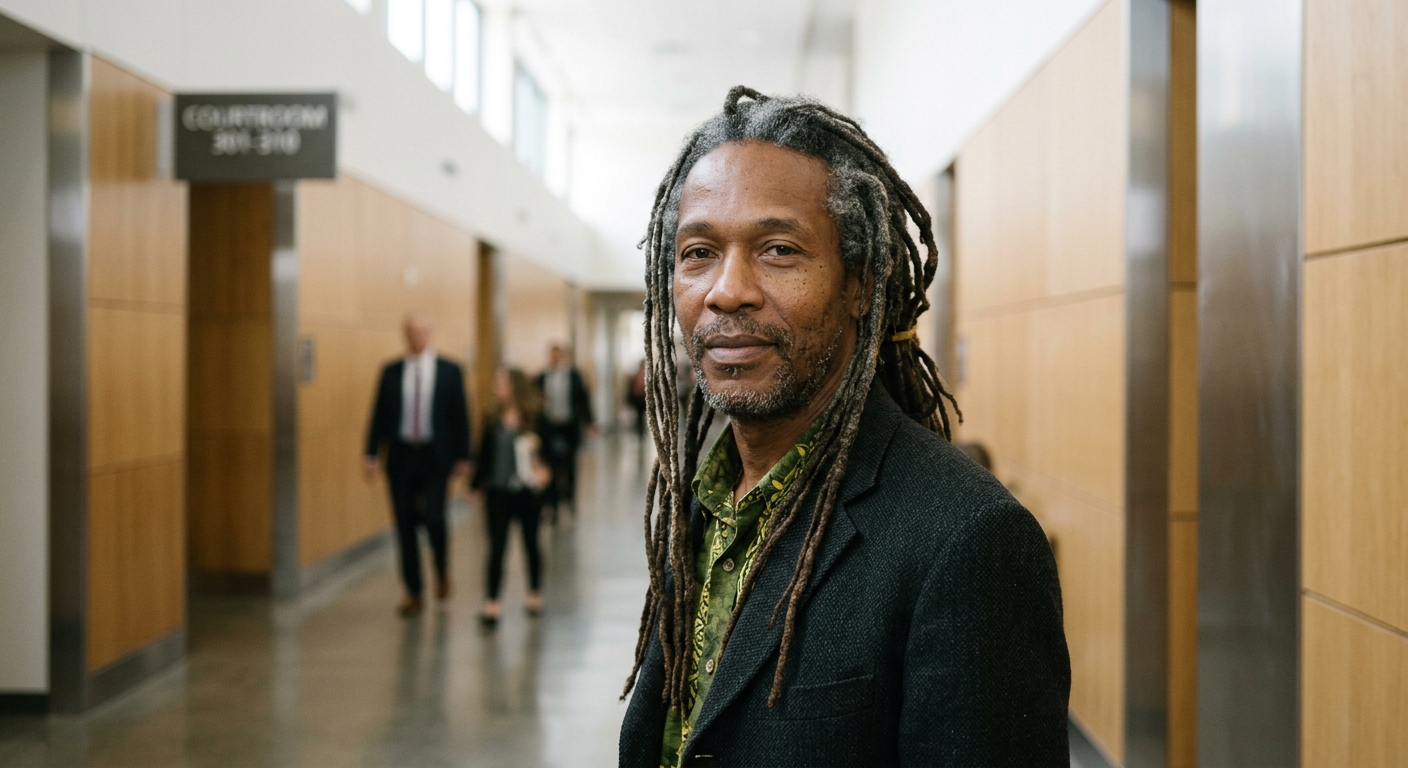
A landmark decision from the United States Supreme Court has again put the spotlight on the delicate balance between religious freedom and legal responsibility. The case involves Damon Landor, a former inmate from Louisiana and a follower of the Rastafari faith. His religious rights were trampled when prison staff forcibly removed his dreadlocks—central to his beliefs. Yet, the Court ruled that Landor can’t pursue monetary damages against the officials, citing the limits of the Religious Land Use and Institutionalized Persons Act (RLUIPA). Complex indeed.
The Court’s Rationale
The justices condemned the actions taken against Landor but maintained a strict interpretation of RLUIPA. This law aims to safeguard the religious rights of inmates but doesn’t allow for financial compensation when those rights are violated. The Supreme Court’s decision is consistent with previous rulings from lower courts, including the 5th U.S. Circuit Court of Appeals, which shared regret over Landor’s treatment yet upheld the legal framework that shuts the door on financial liability.
Contrast this with the Court’s 2020 decision permitting Muslim men to sue the FBI over their inclusion on the no-fly list under the Religious Freedom Restoration Act (RFRA). Though the Justice Department backed Landor, the Court didn’t apply the same logic to RLUIPA. A nuanced distinction, to say the least.
Implications for Religious Freedom
This case thrusts forward ongoing debates about balancing religious freedom with accountability for rights breaches. Even with RLUIPA’s protective intentions, the inability to seek damages raises questions about its deterrence effectiveness. Such gaps could lead to increased scrutiny and calls for legislative tweaks to bolster the law’s enforcement strength regarding religious freedoms.
Broader Context and Cultural Understanding
The Rastafari faith, emerging from 1930s Jamaica, is a reaction to colonial oppression, blending Old Testament teachings with dreams of African repatriation. Cultural icons like Bob Marley and Peter Tosh played pivotal roles in its global spread. Dreadlocks hold profound spiritual and identity significance in this faith. Understanding this cultural depth is crucial.
The Supreme Court’s decision doesn’t just affect Landor; it sets a precedent for future cases on religious rights and institutional authority. As debates over religious freedom in public spaces persist, this ruling underscores the continuous challenges in aligning legal protections with the lived realities of diverse faith communities.
Conclusion: The Path Forward
Louisiana has since revised its prison grooming policies to prevent such incidents. Yet, this ruling highlights the pressing need for broader legislative and societal action to uphold religious freedom. As the legal landscape shifts, it’s vital for lawmakers, institutions, and the judiciary to collaborate in safeguarding individual rights while promoting mutual respect and understanding across diverse cultural and religious groups.
No Comments