






31 May Retirement Trends: Older Americans in the Workforce
Redefining Retirement: The Economic and Cultural Forces Keeping Older Americans Working
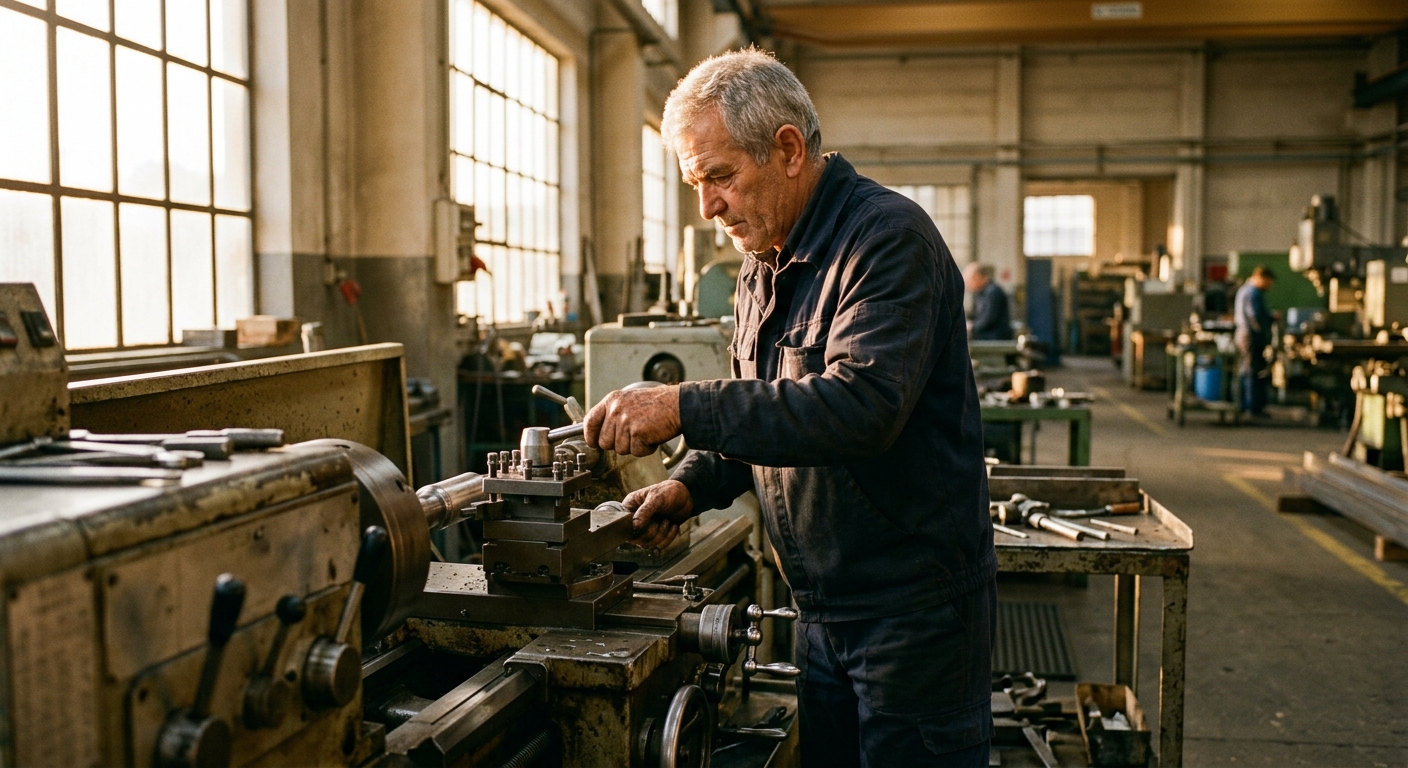
Retirement isn’t what it used to be. More older Americans are staying on the job, driven by both financial need and changing cultural norms. This trend is flipping the script on the classic retirement story—one of carefree leisure after years of hard work.
Changing Demographics and Economic Pressures
There was a time, during much of the 20th century, when retirement was considered a given. Thanks to the Social Security Act of 1935 and the post-World War II boom in pension plans, many Americans could look forward to it. These days? Not so simple. The U.S. Bureau of Labor Statistics projects that by 2024, nearly one in five adults aged 65 and older will still be working, marking them as one of the fastest-growing labor forces. Why? A mix of longer life spans, escalating living costs, and inadequate retirement funds.
For some seniors, work is about more than just money—it’s a part of their identity and a way to stay socially connected. Yet, others have no choice but to work, needing the health insurance their employer provides or extra income for family caregiving. Rising healthcare and daily expenses only add pressure, pushing retirement further away for many.
Cultural Attitudes and the New Retirement Paradigm
But it’s not just about economics. Cultural attitudes toward aging and work are shifting, too. The notion of retiring at a certain age is fading as people live longer and healthier lives. Work now offers more than financial security; it gives purpose and community, something many older adults aren’t ready to abandon.
This cultural evolution highlights a new perspective: retirement isn’t a one-size-fits-all scenario. More people view it as a flexible phase, potentially involving part-time work, volunteering, or even launching new careers. The real question now is not when to quit working, but how to maintain happiness and security while staying actively engaged.
The Future of Work and Aging
With the graying of the American workforce, change is necessary. Employers and policymakers must create more accommodating workspaces and policies for older employees. They also need to reassess retirement systems to ensure they meet the needs of those unable to work any longer.
The future of retirement in the U.S. hinges on how we tackle the economic challenges of an aging population while embracing the desire for meaningful involvement in later life. Address these issues, and we can redefine aging in the workforce, ensuring that older adults prosper both financially and socially.
No Comments