







16 May Rural America: Retail Giants Battle for Market Share
“`html
Rural America: The New Battleground for Retail Giants
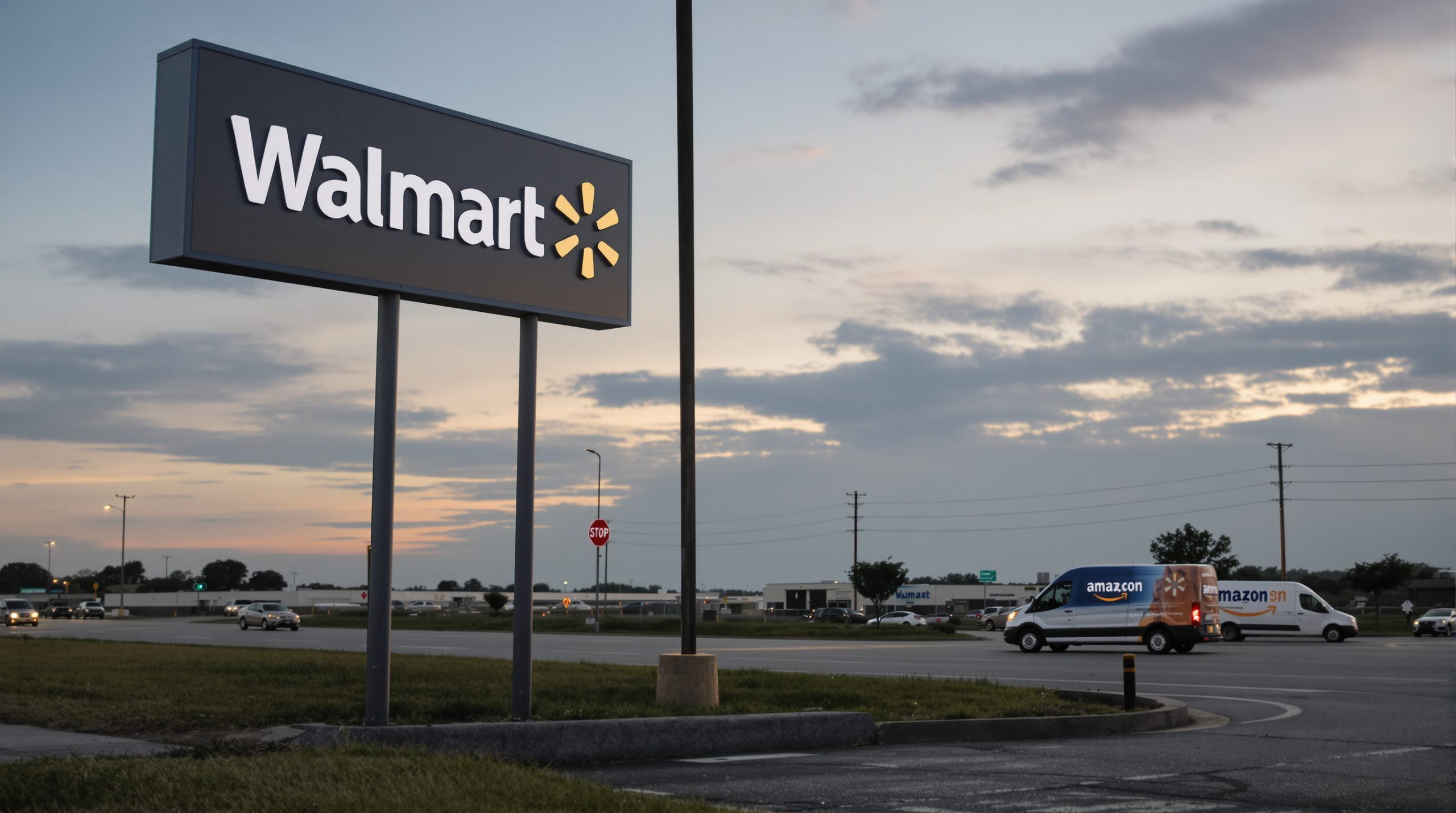
Rural America has suddenly become the new frontier for retail titans Walmart and Amazon. Once thought too remote and sparsely populated to be profitable, these areas are now a hotly contested battleground. Both companies are in a race to deliver faster, more efficient services to these consumers.
Transforming Rural Retail Dynamics
Rural areas used to pose tough logistical challenges for retailers. The final stretch of a delivery—getting from a distribution hub to a doorstep—meant navigating long distances and tricky terrain, driving up costs. But things are changing. Remote work is shifting the demographics of small towns, making them seem less economically stagnant or isolated. McKinsey, a consulting firm, points out a significant rise in productivity and income in these regions over the past decade, with rural counties seeing median household incomes jump by 43% between 2010 and 2022.
Seeing the potential, Walmart and Amazon are rolling out strategic moves to seize the rural market. Analysts from Morgan Stanley predict this segment could be worth up to $1 trillion each year. Walmart’s large network gives it an edge, with 45% of its Supercenters located in places with populations under 20,000. Amazon, on the other hand, has poured $4 billion into boosting delivery speed across over 4,000 smaller cities and towns, employing AI tools and setting up micro hubs to sharpen logistics.
The Technological Edge
Technology is fueling this rural retail revolution. The same advances that make remote work possible also help these retail giants streamline their supply chains. Take Amazon’s use of artificial intelligence to forecast demand and strategically place inventory. It’s a prime example. These innovations are vital as traditional delivery services like FedEx and UPS scale back their rural operations to focus on more profitable urban areas.
Implications and Opportunities
For rural consumers, this competition means more choices and possibly lower prices. It also means easier access to goods and services that were once hard to come by. Yet, the rapid growth of these retail behemoths stirs questions about the impact on local businesses and economies. Some see a chance for economic revitalization; others worry national chains might overshadow local enterprises.
This push into rural territories also mirrors broader trends in American society. With more Americans drawn to the quality of life in smaller communities, the lines between urban and rural living are blurring, sparking new cultural and economic dynamics. This shift highlights the need for a nuanced understanding of how technology and changing demographics are reshaping the retail landscape and, by extension, the fabric of rural America.
“`
No Comments