





18 May Supreme Court’s Impact on Voting Rights and Redistricting
Supreme Court’s Voting Rights Ruling Sends Ripples Through Local Governance
The U.S. Supreme Court’s recent decision in the landmark case of Louisiana v. Callais has dramatically reshaped voting rights and redistricting, especially at state and local levels. This ruling reinterprets the Voting Rights Act’s Section 2 provisions, sparking legal battles nationwide and raising alarm among civil rights advocates.
A Shift in Legal Standards
With a conservative majority, the Supreme Court has refocused Section 2 from broadly preventing racial discrimination in voting to demanding proof of intentional racial discrimination—a notoriously high legal standard. This change impacts ongoing and future legal challenges to voting maps, effectively raising the bar for proving cases of racial gerrymandering.
Since the decision, legal experts and civil rights advocates warn it may lead to more partisan gerrymandering and diminish representation for racial minorities in state legislatures, county commissions, and school boards. “This decision has made the Voting Rights Act a toothless tiger,” said North Carolina state Rep. Rodney Pierce, who recently dropped his lawsuit challenging his state’s Senate map because of the ruling.
Local Battles Intensify
Nationwide, the ruling’s effects are felt, but its immediate impact is vivid in several Southern states, where politics remain sharply divided along racial lines. At least 17 cases have emerged, with plaintiffs from Black, Latino, and Native American communities fighting to protect their voting rights.
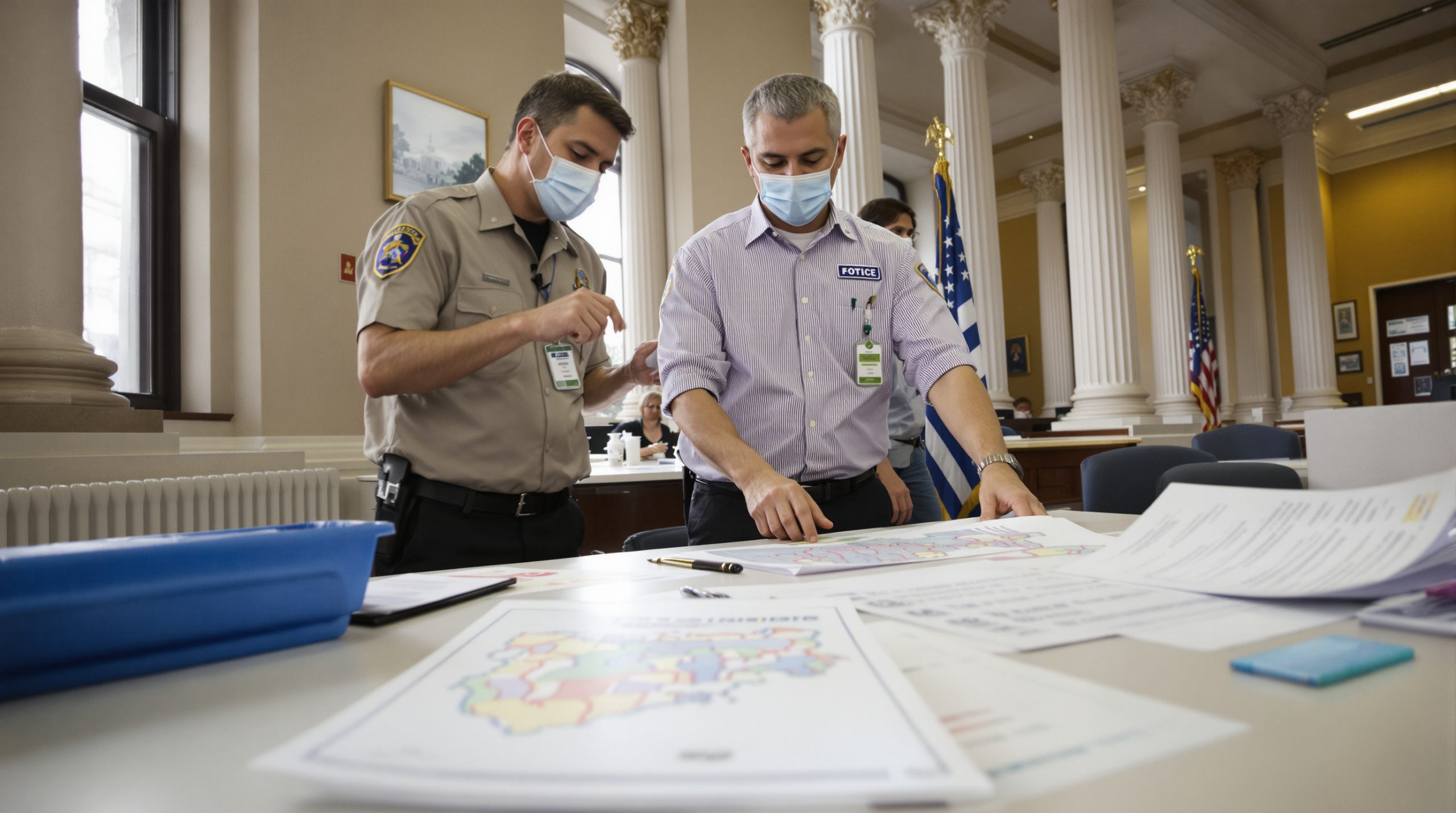
Latino voters in Washington state are challenging the legislative map, while in Pennsylvania, a school district’s at-large system for electing board members is under scrutiny. In North Dakota, Native American voters contest the state’s legislative map. All these cases now face heightened challenges due to the Supreme Court ruling.
Implications for Democracy
The Supreme Court’s decision has reignited debates about the balance between state autonomy and federal oversight in protecting voting rights. Critics argue the ruling undermines decades of progress through the Voting Rights Act and sets a worrying precedent for minority representation in American democracy.
“It’s a sad day for our democracy,” Pierce commented, echoing the sentiments of many who view the ruling as a setback for civil rights.
As legal battles unfold, the broader implications of the Supreme Court’s decision remain uncertain. One thing is clear: the ruling has reset the stage for how voting rights are protected and contested at the local level, potentially reshaping the political landscape for years to come.
No Comments