






06 Jul U.S. Immigration Challenges for Spouses of Citizens
Heightened Scrutiny: The Evolving Landscape of U.S. Immigration for Spouses of Citizens
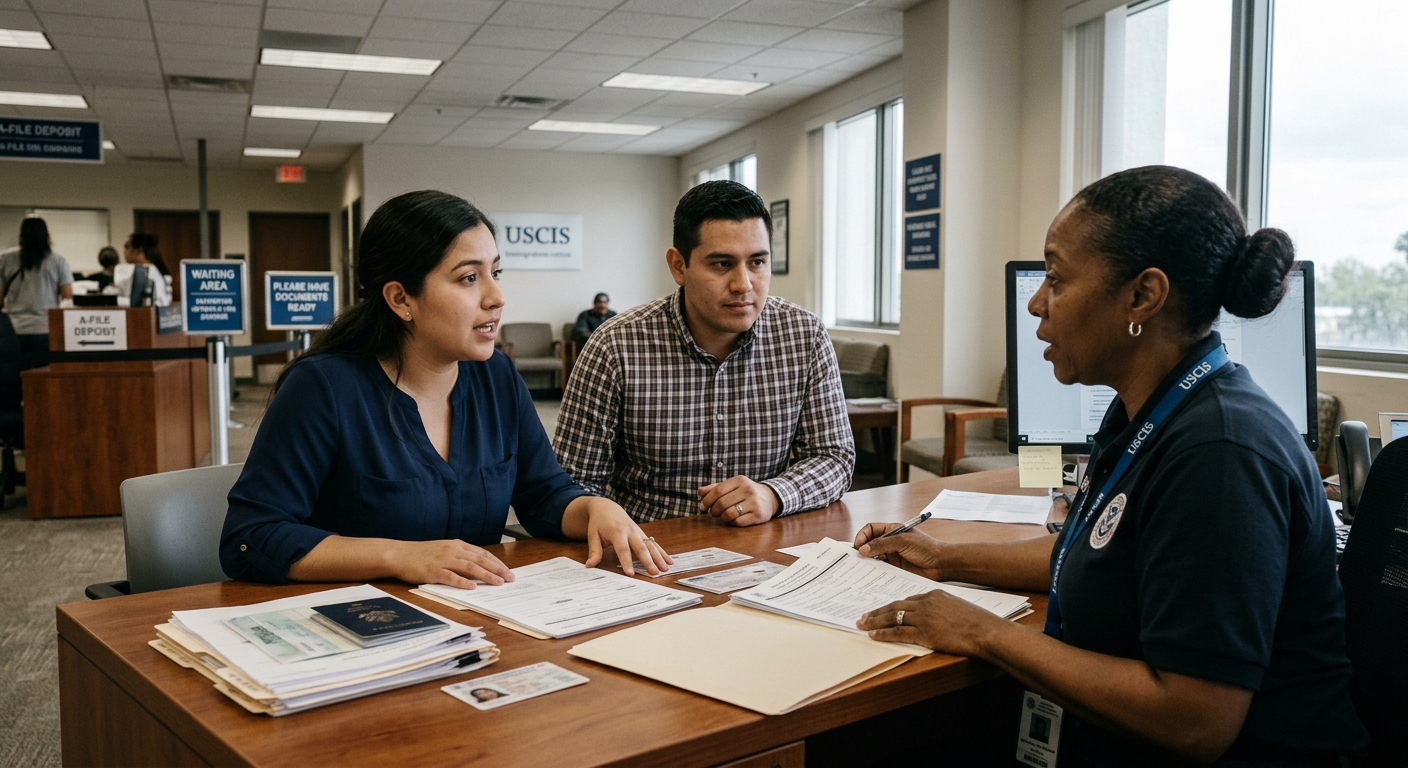
Recently, the Trump administration’s policy changes have ramped up the scrutiny faced by non-U.S. citizens seeking residency through marriage. This route, once considered a privileged one under U.S. immigration law, now presents significant hurdles for tens of thousands of families trying to make their way through the system.
Policy Shifts and Their Impact
Since President Trump returned to office, there has been a deliberate push to slow down legal migration into the United States. This includes a temporary halt on immigrant visas from 75 countries, increased scrutiny at green-card interviews, and an expanded scope for deportation targets. These measures have hit non-citizen spouses hard, a group that has usually been shielded from such broad enforcement actions.
Ashley DeAzevedo, executive director of American Families United, shared that these changes have forced many families into tough choices like self-deportation or living with the constant fear of detention. “Life has become a lot more difficult for Americans married to someone not born in this country,” DeAzevedo pointed out, highlighting the growing uncertainty and fear among affected families.
Historical Context and Legal Framework
In the past, spouses of U.S. citizens had a unique standing within immigration law. They weren’t subject to immigrant quotas, and legal status maintenance wasn’t required for adjustment—positioning them as a ‘privileged class.’ Now, the current administration is treating them just like other immigrants, a shift many see as a departure from established legal norms.
Sharvari Dalal-Dheini from the American Immigration Lawyers Association notes that while vetting has always been part of the process, the current level of enforcement and scrutiny is unprecedented. “Spouses of U.S. citizens have always had a special place under the law, but this administration is treating them like all other immigrants,” she stated.
Broader Implications and Response
The impact of these policy changes reaches beyond individual families, hinting at a broader shift in the U.S. immigration landscape. American Families United reports a surge in membership as more people seek guidance and support amidst these changes. About 1.4 million people within the U.S. and 300,000 outside are now seeking the organization’s support, reflecting the widespread effect of these policies.
This evolving scenario suggests a significant cultural shift in how immigrant spouses are perceived and treated, raising questions about balancing national security concerns with humanitarian considerations within the immigration framework.
As the conversation around immigration continues to unfold, it’s crucial to keep an eye on how these developments affect the families involved, while also contemplating the broader implications for U.S. immigration policy and its alignment with traditional legal principles.
No Comments