







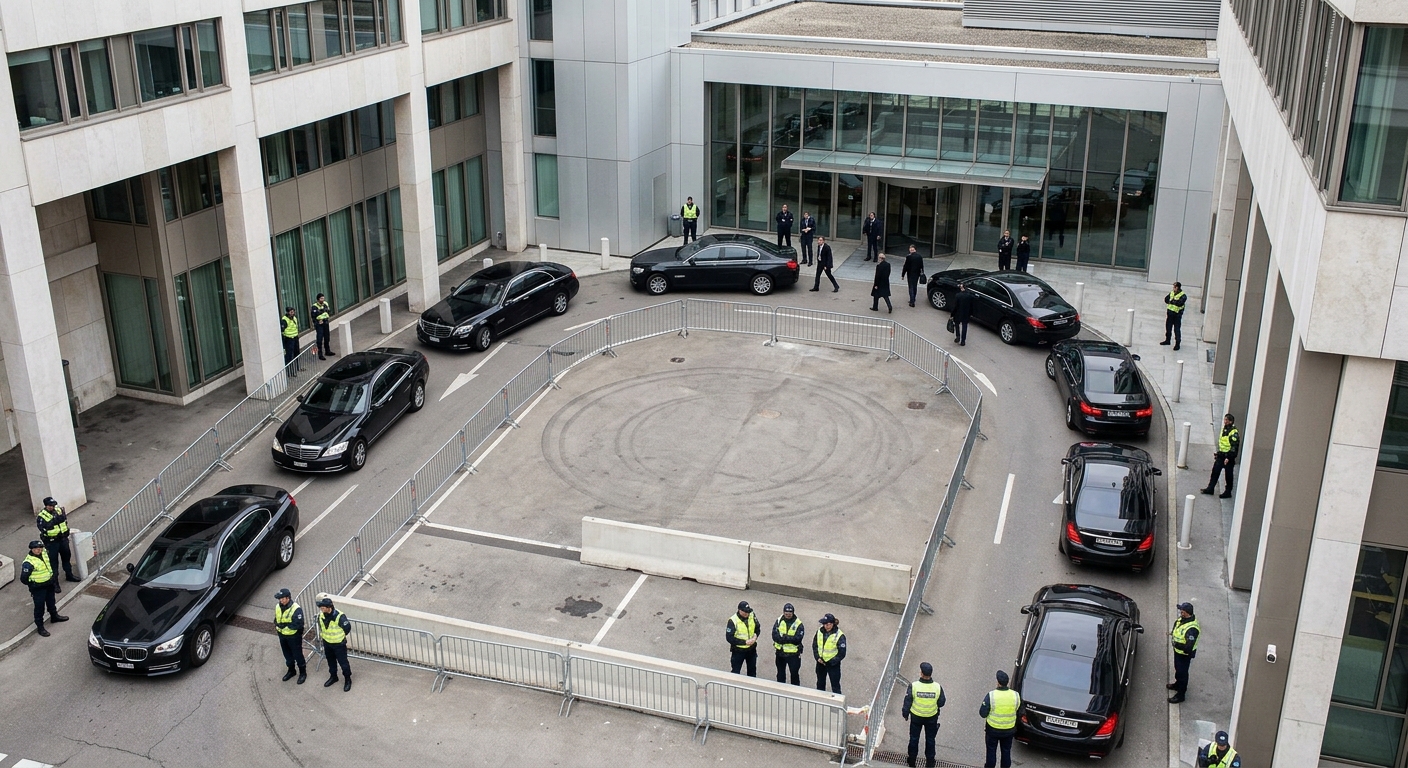
20 Jun U.S.-Iran Talks: Geopolitical Tensions in Switzerland
Geopolitical Tensions and Media Narratives: The U.S.-Iran Talks in Switzerland
U.S. and Iranian negotiators are gathering in Switzerland, tackling the specifics of a vital interim agreement. The geopolitical scene? As tumultuous as ever. Violence in Lebanon is on the rise. Iran’s recent move to shut down the Strait of Hormuz has stirred global interest. It’s a diplomatic show that highlights how international relations, media sway, and public perception are intricately linked.
The Strait of Hormuz: A Strategic Chokepoint
Iran’s closure of the Strait of Hormuz has thrown a spotlight on this strategic waterway once more. Historically, it’s been a hotbed of geopolitical tension, crucial for the passage of global oil shipments. Why did Iran seal it off? They claim the U.S. broke key commitments. It’s a move that complicates the already delicate talks.
Contrary to Iran’s stance, the U.S. Central Command insists the strait is still open, with ships passing through. This clash of narratives underscores not just the parties’ differing views but also how media can shape how the public sees it all.
Diplomatic Dance in Switzerland
In Switzerland, significant figures from both countries are engaged, including U.S. Vice President JD Vance and Iran’s parliamentary Speaker Mohammad Bagher Qalibaf. Their goal: to finalize terms that could quell ongoing conflicts and possibly unlock billions in Iranian assets. Easier said than done. Hostilities in Lebanon delayed the start. Not the first time, either.
U.S. negotiators, helped by Qatari mediators, have managed to broker a temporary ceasefire between Israel and Hezbollah. It’s meant to foster a better atmosphere for discussions. Yet, Iran is cautioning that any headway depends on sticking to key commitments—failure could unravel the whole agreement.
Media Influence and Public Perception
How media portrays these events is crucial—they mold public perception and political talk. Take late-night host Bill Maher, for instance. His critique of President Trump’s negotiation methods illustrates media’s ability to craft narratives and scrutinize political strategies. Maher questions the effectiveness of “the art of the deal,” chiming with a larger conversation on political accountability.
This narrative shaped by media, together with a divided political scene, highlights the necessity for a more subtle grasp of international diplomacy—a realm often dominated by oversimplified tales and partisan rhetoric.
The Broader Implications
The global audience closely observes the progress in Switzerland. The results of the U.S.-Iran talks could ripple through regional stability, impact global energy markets, and affect international diplomatic ties. In an age where media perspectives and political narratives heavily sway public opinion, grasping the intricacies of such geopolitical happenings is vital like never before.
These negotiations—full of diplomacy, media influence, and public perception—serve as a potent reminder of the multifaceted nature of international relations. As stakeholders continue to navigate these treacherous waters, fostering informed and independent thought becomes ever more essential.
No Comments