



19 Jun Wisconsin Voter Sentiment on Iran Conflict
Wisconsin Voters and the Iran Conflict: Economic Frustration and Political Implications
The recent framework agreement to end the war with Iran, signed by former President Donald Trump, stirred up quite the reaction across the U.S. In Wisconsin, especially among swing voters, dissatisfaction with the conflict’s results and its economic fallout came through loud and clear during focus groups observed by NPR.
Economic Strain and Disillusionment
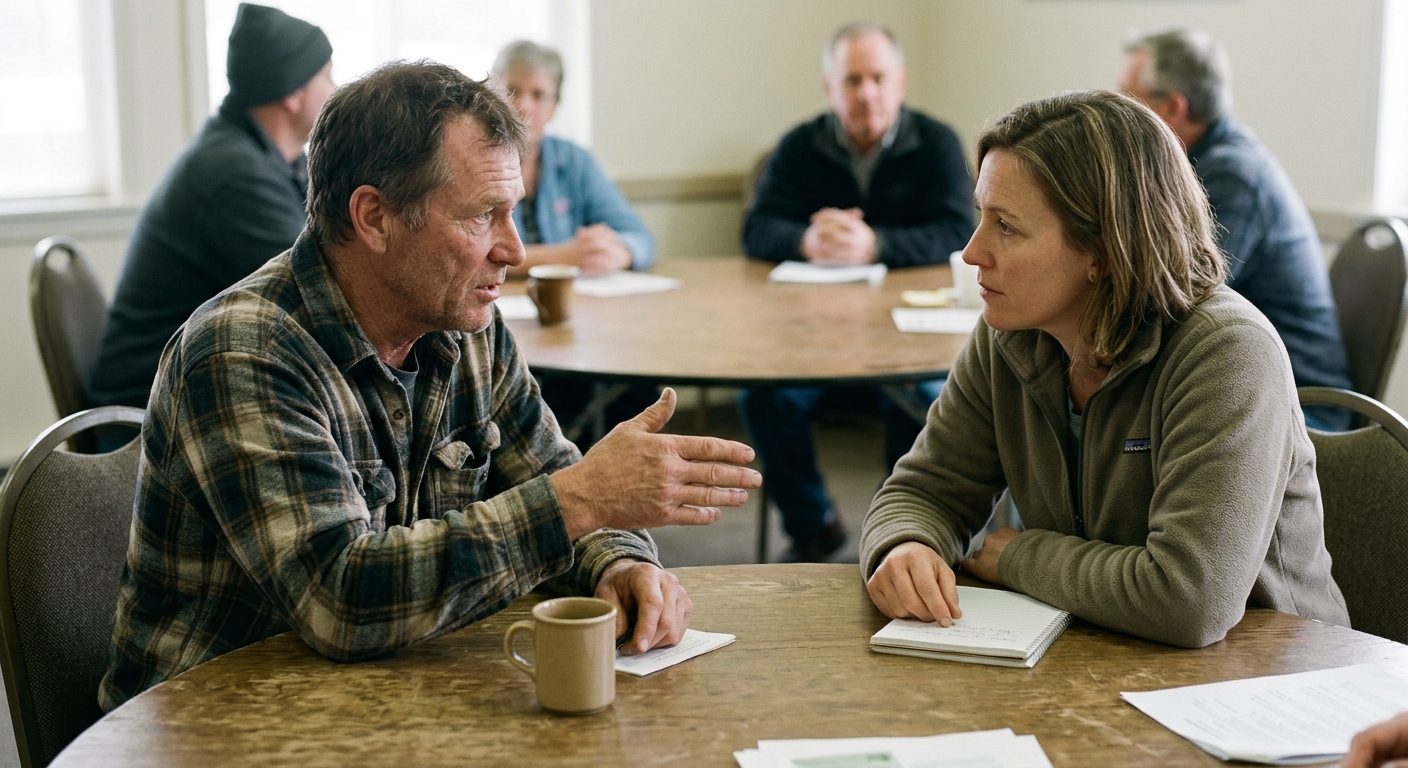
Two online focus groups showcased voters who had switched from Joe Biden in 2020 to Donald Trump in 2024. They didn’t hold back. Most called the war a “costly blunder.” Out of 13 participants, nine believed the U.S. came out of the conflict weaker. They bemoaned the financial burden and lack of tangible benefits from the whole ordeal.
“We essentially got nothing out of it,” said Corey M., a 33-year-old independent voter. “It’s hurt our economy and increased expenses for the everyday American, and it accomplished the square root of nothing.”
High gas prices, a direct hit from the conflict, left these voters fuming. Tammy S., a 53-year-old independent, captured the mood perfectly: Americans felt unfairly caught in political crossfire, forced into lifestyle changes like cutting back on vacations and dining out.
Political Ramifications and Broader Perceptions
The focus groups, organized by Engagious and Sago for the Swing Voter Project, open a window into the broader political fallout from the Iran conflict. Rich Thau, president of Engagious, noted these voters never backed the war from the start. Democratic strategist James Carville didn’t mince words either, calling the agreement an “instrument of surrender” and a symbol of U.S. loss on the global stage.
The Wisconsin swing voters’ discontent could seriously shake up the political scene, especially with the 2026 midterms on the horizon. Their feelings highlight a growing disillusionment with today’s political tactics and leaders. We might be seeing shifts in voter loyalty and concerns.
As political narratives keep evolving, the mix of economic pressure, public perception, and political strategy will likely be key in shaping the election landscape. Voters in battleground states like Wisconsin could very well signal broader national trends and future political shifts.
No Comments