




17 Apr Political and Economic Changes in the U.S. and Abroad
The Political and Economic Ripples from Recent Developments in the U.S. and Abroad
As political and economic landscapes continue to shift, recent developments in the United States and abroad are setting the stage for significant changes. From electoral redistricting battles in key states to international economic blockades, these events are poised to influence both domestic and global arenas.
Redistricting Battles in Virginia and Florida
The redistricting process, a pivotal element in shaping the political landscape, has reached its climax in states like Virginia and Florida. As the country moves toward the midterm elections, these states are among the last to finalize their electoral maps. This process is not just a matter of redrawing lines; it is a strategic maneuver that can determine political power for the coming decade. The stakes are high as political parties vie for advantageous configurations that could sway electoral outcomes.
This redistricting saga highlights the broader implications of electoral mapmaking—how it can potentially influence legislative priorities and policy outcomes by altering the composition of congressional districts. The outcome of these battles will likely reverberate in the national political discourse as parties aim to consolidate influence in a deeply polarized environment.
Senate Frustrations and DHS Funding
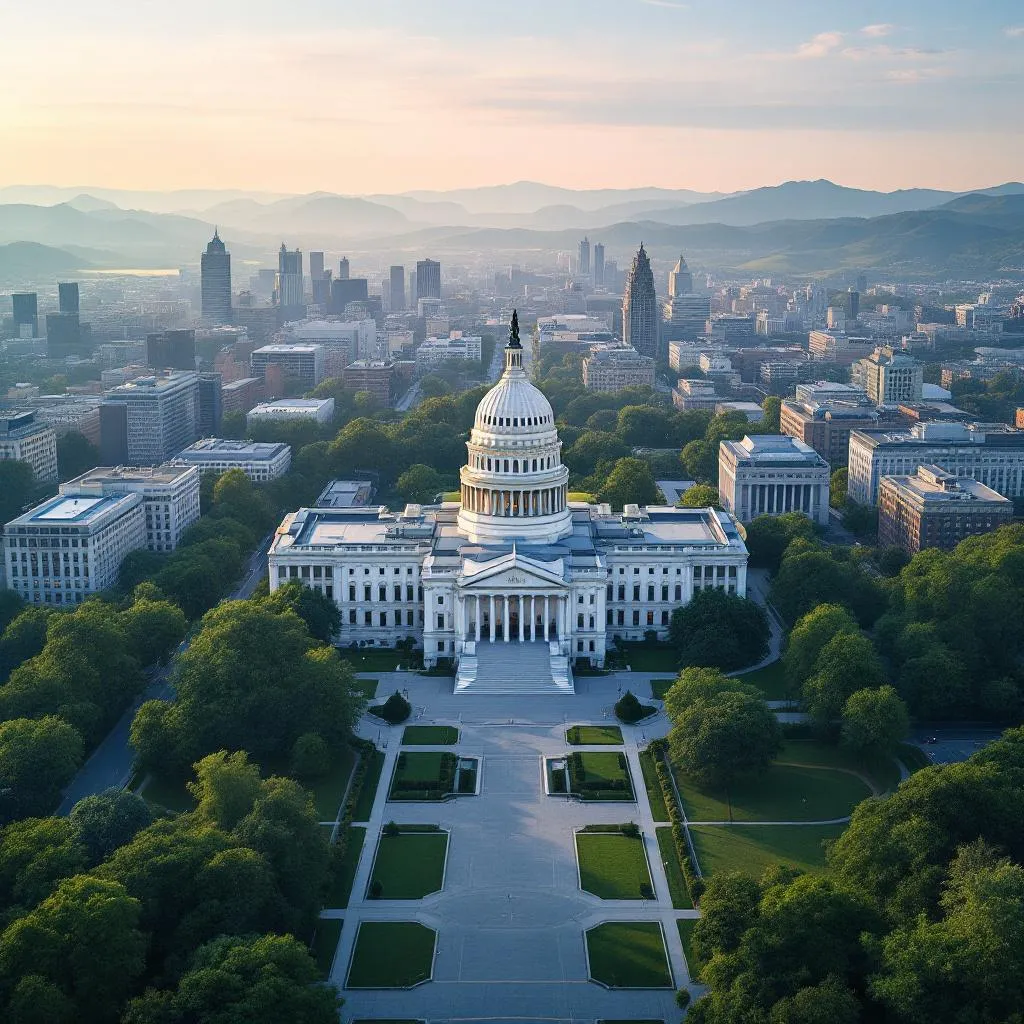
On Capitol Hill, tensions are mounting within the Republican Party as Senate members express frustration with Speaker Mike Johnson’s (R-La.) handling of a critical funding bill. The Senate-passed legislation aims to secure funding for the Department of Homeland Security (DHS), a move deemed essential to avoid operational disruptions. However, the bill’s stagnation in the House has raised concerns about the potential impact on federal workers and national security operations.
The impasse underscores a recurring theme in U.S. politics: the challenge of navigating intra-party dynamics and legislative bottlenecks. As the clock ticks, the pressure mounts on House leadership to act swiftly to avert a crisis that could have far-reaching consequences.
The Economic Impact of the Strait of Hormuz Blockade
Beyond U.S. borders, the economic ramifications of the Strait of Hormuz blockade are beginning to unfold. The U.S.-imposed blockade has effectively curtailed Iran’s trade capabilities, significantly impacting its economy. With an estimated 90% of Iran’s economic activities reliant on maritime trade, the blockade serves as a strategic pressure point aimed at bringing Iran back to the negotiating table.
This action, while strategically significant, also poses risks to global energy markets. The potential for spiking energy prices looms as a consequence of restricted oil flow from a region that is pivotal to global energy supply chains. The blockade thus exemplifies the complex interplay between geopolitical strategies and economic stability.
Conclusion
These developments in electoral politics and international relations are emblematic of the intricate web of factors that influence both national and global narratives. As Virginia and Florida finalize their redistricting maps, the implications for political representation and power dynamics are profound. Meanwhile, the legislative gridlock in Washington and the international economic ripple effects from the Strait of Hormuz blockade underscore the interconnectedness of political decisions and economic realities. These narratives serve as a reminder of the ongoing need for informed discourse and strategic foresight in navigating the challenges of our time.
No Comments