





21 Oct HBCUs’ Legal Battle for Fair Funding
HBCUs’ Legal Battle for Fair Funding
HBCUs’ Fight for Equal Funding: A Nationwide Catalyst?
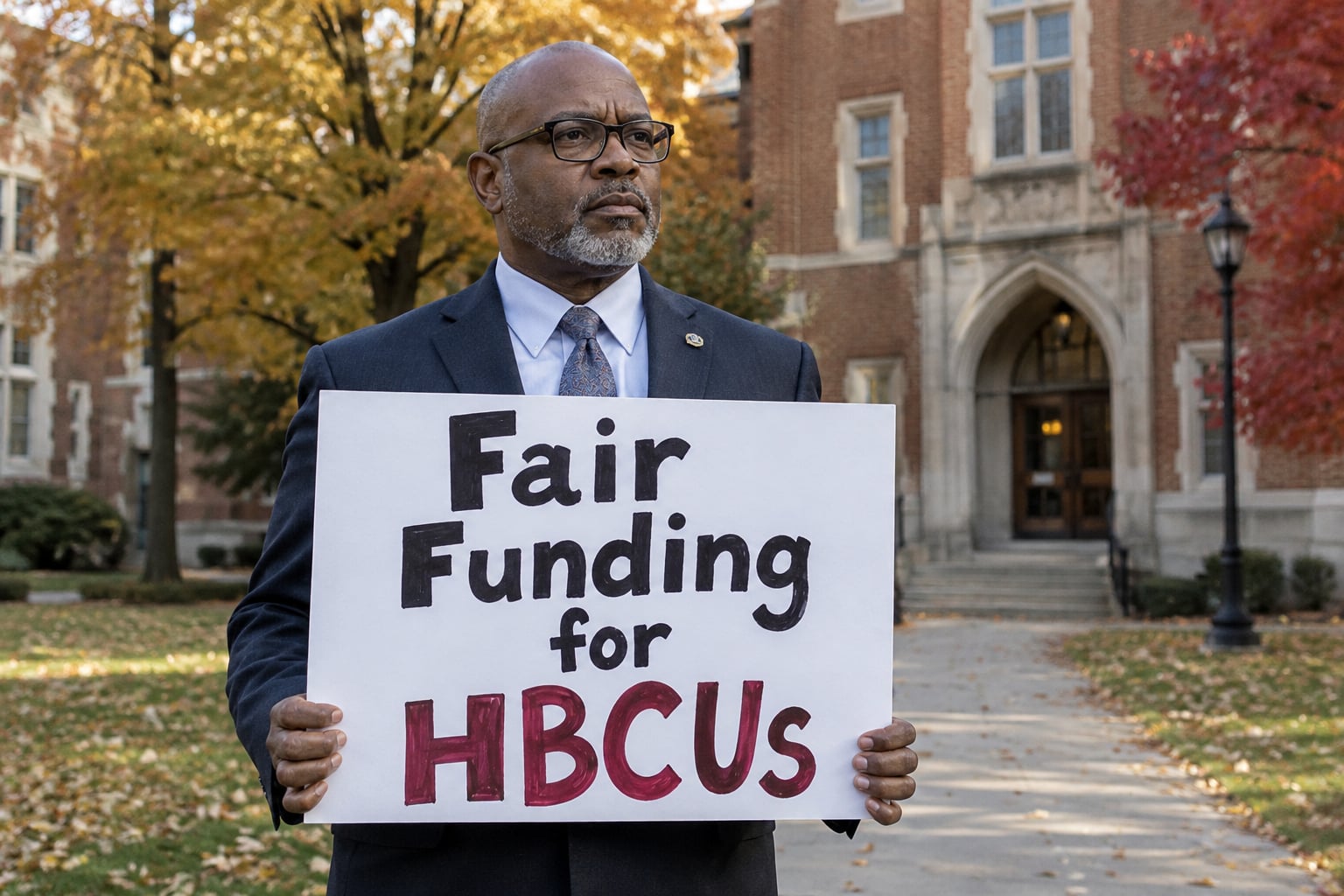
A recent lawsuit filed by Lincoln University against the state of Missouri is shining a spotlight on the longstanding funding disparities that plague historically Black colleges and universities (HBCUs). This legal action could be a game-changer, possibly spurring similar lawsuits across the nation as HBCUs continue their battle for fair financial treatment. The lawsuit claims Missouri has consistently underfunded Lincoln University when compared to its mainly white counterpart, the University of Missouri. Data supports this claim, showing stark differences in funding, a situation that may well highlight the financial inequalities faced by HBCUs throughout the United States.
Historical Context and Legal Grounding
Don Calloway, once a Missouri lawmaker and now an attorney, is leading the charge on this lawsuit. He argues that this persistent underfunding breaches federal law, drawing on historical data that tracks state funding allocations. According to Calloway, since the beginning of the 1890 land grant institutions, states have consistently fallen short of their funding obligations to HBCUs when compared to the institutions established in 1862. The case for Lincoln University is backed by data spanning from 1987 to 2020, laying bare the financial inequities that have lingered for decades PBS.
This lawsuit isn’t just a local matter. It has the potential to serve as a national model for other HBCUs looking to challenge their own state’s funding practices. The stakes are high; a favorable decision could set a precedence for future legal battles, potentially reshaping the financial landscape of higher education for HBCUs across the nation.
Impact on Public Perception and Policy
The outcome of this lawsuit might alter public perception regarding how funding is distributed, highlighting the urgent need for fair financial support for educational institutions. As the case develops, it could shift how people view the systemic disparities HBCUs encounter. This resonates with wider conversations on the impact of media framing and public perception on political and social issues Purple Voice.
Moreover, if the legal challenge succeeds, it could ignite policy change, nudging states to reevaluate their funding approaches to ensure HBCUs get their fair share. With this issue in the spotlight, there’s an emphasis on transparency and accountability in state funding practices, a theme also explored in discussions about media influence on public perception.
Potential Nationwide Repercussions
The ripple effects of this lawsuit could reach far beyond Missouri. Should the courts side with Lincoln University, it might pave the way for other HBCUs in states facing similar funding issues to take legal action. This collective movement could usher in a major change in how states distribute resources to educational institutions, potentially leveling the playing field for HBCUs nationwide The Week.
Such a transformation would not only address financial imbalances but also enhance the educational and social contributions of HBCUs, which have historically been pivotal in advancing opportunities for Black students. Ultimately, this could spark a wider cultural shift in how educational equity is pursued and valued across the United States.
FAQ
What is the significance of the Lincoln University lawsuit?
The lawsuit takes aim at the systemic underfunding of HBCUs in comparison to predominantly white institutions, potentially setting a legal precedent for similar actions nationwide.
How could the lawsuit impact state funding practices?
A successful outcome might compel states to reconsider how they allocate funds, ensuring equitable financial support for HBCUs and influencing future policy adjustments.
What broader implications might this lawsuit have?
The case could ignite a nationwide movement among HBCUs to challenge funding inequities, fostering a more equitable distribution of resources and a cultural shift toward educational equity.
No Comments