






19 Apr Political Narratives and Their Impact on Perception
Political Narratives: The Unseen Influences
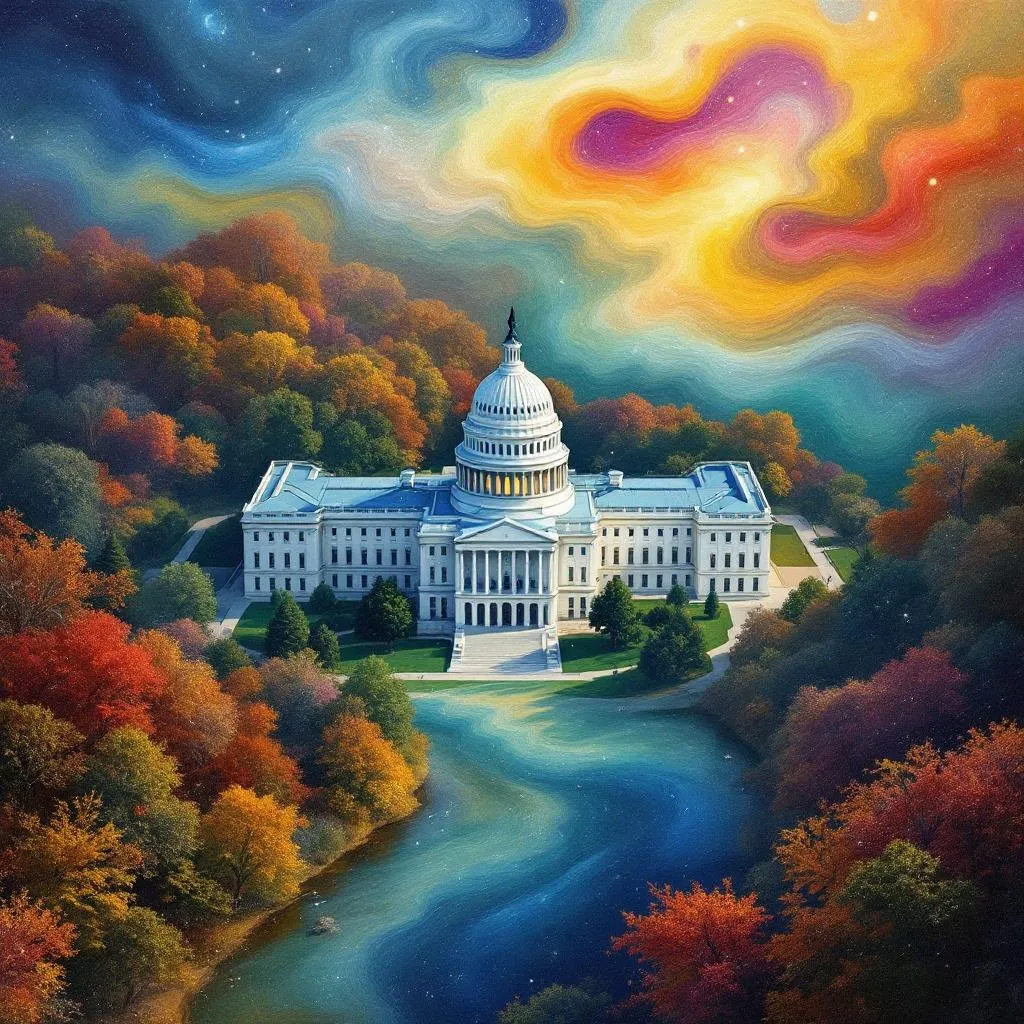
In the realm of politics, narratives are more than mere stories. They are influential tools that shape public perception and sway voter decisions. Political narratives are crafted by politicians, media outlets, and interest groups to create a specific understanding of events or policies. These narratives can often obscure facts and data in favor of emotional resonance.
For instance, the way media frames certain issues can significantly impact public opinion. According to a study by the Pew Research Center, the framing of economic issues can vary widely between different news outlets, leading to divergent public perceptions. In this light, it becomes essential to critically analyze the information presented to us.
The Role of Media in Shaping Narratives
Media is a powerful player in the political arena. By deciding which stories to cover and how to cover them, media outlets can amplify certain narratives while silencing others. For example, the coverage of Obama’s education initiatives with Mayor Mamdani highlighted a progressive approach to policy-making (Obama and Mayor Mamdani Discuss Education Initiatives).
However, not all narratives receive equal attention. The media’s role in polarizing public perception is well-documented, often leading to a society divided along ideological lines. This division is fueled by a lack of exposure to diverse viewpoints, which is where platforms like Purple Voice step in to challenge dominant narratives.
Encouraging Independent Thought
Independent thought is crucial in today’s media landscape. It involves questioning the prevalent narratives and seeking out information from multiple sources. A study by Reuters found that individuals who engage with diverse news outlets tend to have a more nuanced understanding of political issues.
At Purple Voice, we emphasize the importance of independent thought and critical engagement with media content. By promoting stories that challenge the status quo, we aim to foster a more informed and discerning audience.
FAQ
What is a political narrative?
A political narrative is a story or explanation created to influence public perception of political events or policies. It often emphasizes certain aspects while downplaying others to align with specific agendas.
How does media framing affect public perception?
Media framing affects public perception by highlighting certain angles of a story, which can lead to biased interpretations. Different outlets may present the same issue in varying lights, influencing how audiences perceive and react to it.
Why is independent thought important in media consumption?
Independent thought is important because it encourages individuals to critically evaluate the information they receive. By engaging with diverse perspectives, one can develop a more holistic understanding of complex issues, reducing susceptibility to manipulation.
No Comments