






21 Apr Bulgaria’s Political Shift and U.S. Legislative Challenges
The Political Landscape: Navigating Complex Narratives in Global and Domestic Arenas
As the political climate continues to shift both internationally and domestically, the narratives emerging from these changes reveal the multifaceted nature of governance and influence. From Bulgaria’s political upheaval to Speaker Mike Johnson’s legislative challenges in the U.S., each story underscores the intricate interplay between power, perception, and policy.
Bulgaria’s Political Shift: A New Narrative in the European Union
Rumen Radev’s sweeping victory in Bulgaria’s parliamentary elections marks a pivotal moment in the nation’s political landscape. As a former fighter pilot turned political leader, Radev has positioned himself as a crusader against entrenched corruption and a proponent of political stability. His Progressive Bulgaria (PB) coalition’s success, capturing nearly 45% of the vote, signals a public rejection of the status quo and a desire for reform. This development challenges the European Union’s cohesion, as Radev’s victory could pivot Bulgaria towards a more independent foreign policy, potentially warming ties with Russia. Such a shift may influence the EU’s internal dynamics, complicating its collective response to geopolitical issues, particularly regarding energy supplies and military alliances.
U.S. Political Tensions: The Intersection of Leadership and Legislation
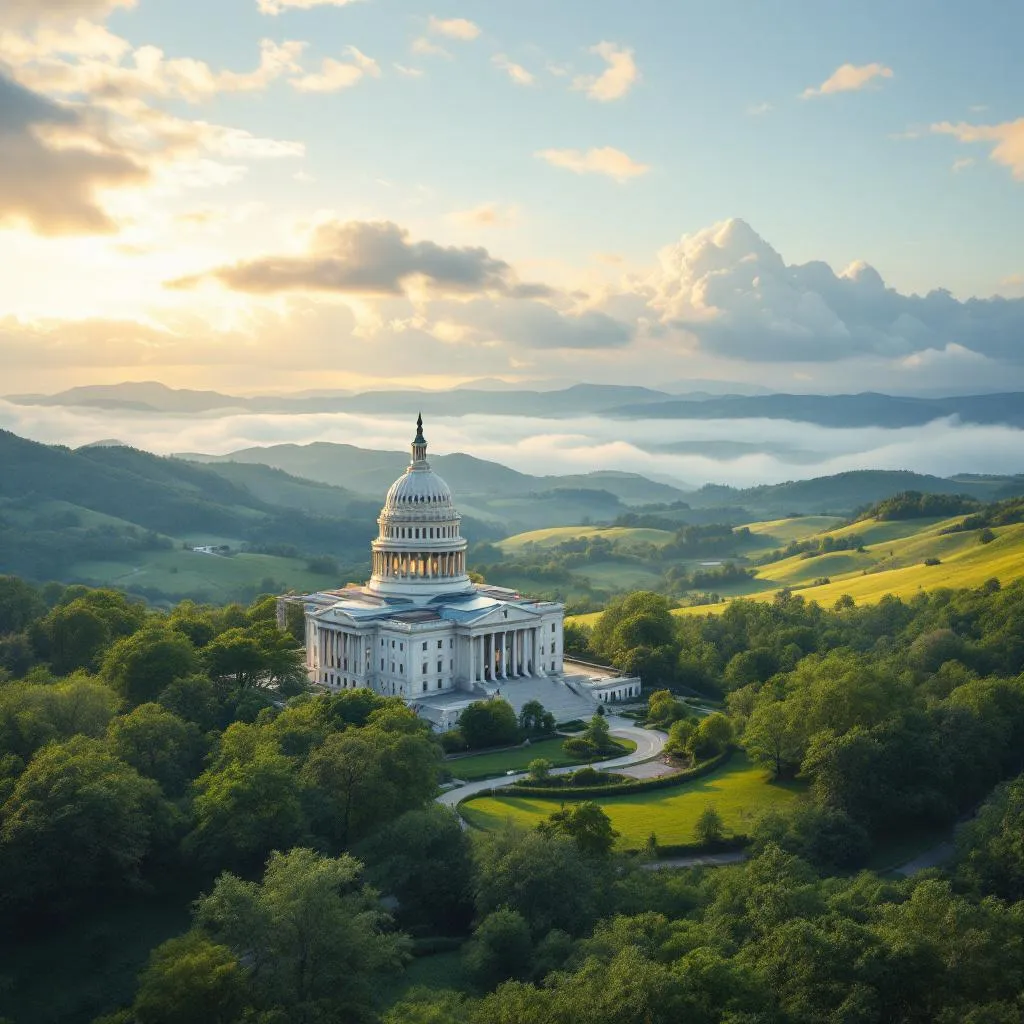
Across the Atlantic, Speaker Mike Johnson faces a complex legislative landscape, with multiple high-stakes issues converging as the month draws to a close. The internal discord within the GOP, compounded by external pressures such as the ongoing Iran conflict, highlights the challenges of leadership in a deeply polarized environment. Johnson’s ability to navigate these issues will not only impact his political standing but also shape the legislative agenda and the GOP’s broader strategy moving forward.
Historical Reflection and Civic Engagement in the U.S.
As the United States approaches the 250th anniversary of the Declaration of Independence, there is a renewed focus on the nation’s historical narratives, particularly those that have been marginalized or overlooked. Sites like the Manzanar National Historic Site offer Americans an opportunity to engage with the country’s complex past, including the forced internment of Japanese Americans during World War II. This reflection is crucial in an era where historical narratives are increasingly contested and reframed. It underscores the importance of preserving diverse perspectives to foster a more comprehensive understanding of national identity.
The Intersection of Politics and Economic Policy
In the realm of economic policy, former President Trump’s ongoing feud with Federal Reserve Chair Jerome Powell highlights the intricate relationship between political influence and monetary governance. Trump’s efforts to replace Powell with Kevin Warsh signify a broader attempt to reshape the Federal Reserve’s leadership and its approach to economic challenges. This dynamic underscores the critical role of the Federal Reserve in balancing political pressures with economic stability, a narrative that continues to evolve as new appointments are considered.
These diverse narratives, spanning continents and contexts, illustrate the complex interplay of political, historical, and economic forces shaping our world today. As these stories unfold, they offer insights into the power of perception and the enduring impact of leadership decisions on global and domestic stages.
No Comments