



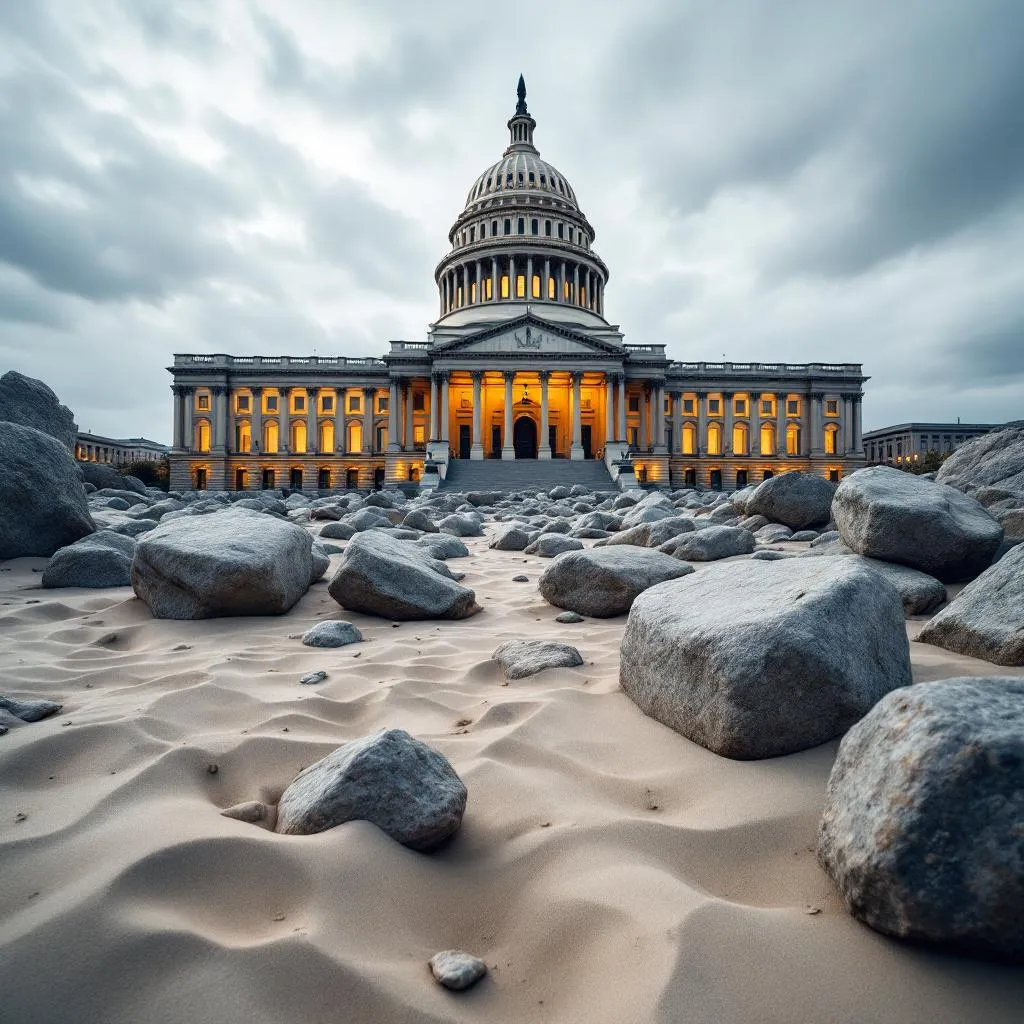
30 Apr Erosion of Trust in Political Institutions
The Erosion of Public Trust in Political Institutions
The erosion of public trust in political institutions is a critical issue affecting governance in the United States today. Trust is the foundation upon which democratic societies are built, and its decline signals a deeper malaise within the political system. According to a 2023 Pew Research Center study, only 20% of Americans express trust in the federal government, a stark contrast to the nearly 80% in the 1960s.
Several factors contribute to this decline. Partisan gridlock has led to a perceived ineffectiveness of Congress, exemplified by repeated budget standoffs and government shutdowns. For instance, congressional gridlock has significantly impacted critical funding for homeland security, leaving many citizens frustrated with the lack of progress on key issues.
Media Influence and Public Perception
Media plays a pivotal role in shaping public perception of political institutions. With the rise of cable news and social media, information is disseminated at an unprecedented pace, often leading to increased polarization. Media framing can significantly influence how political events are perceived. For example, the Supreme Court ruling on Louisiana gerrymandering was portrayed differently across various platforms, impacting public opinion on voting rights issues.
The challenge lies in distinguishing signal from noise. The constant barrage of information can overwhelm individuals, making it difficult to discern factual reporting from opinion. A Reuters study found that a majority of Americans view media bias as a bigger problem than inaccurate news, highlighting the need for critical media literacy.
The Role of Legislation and Supreme Court Decisions
Legislation and Supreme Court decisions directly impact public confidence in political institutions. Controversial laws and rulings often spark debates and can either restore or further erode trust. The recent extension of FISA surveillance tools amidst ongoing privacy debates serves as a prime example of how government actions can be perceived as infringing on civil liberties.
Furthermore, the Louisiana redistricting ruling has reignited discussions around voting rights and representation, crucial issues that directly affect democratic participation and trust in the electoral process.
FAQ
What is causing the decline in public trust in government?
The decline in public trust is primarily due to partisan gridlock, media influence, and controversial legislation that creates a perception of ineffectiveness and bias within political institutions.
How does media influence public perception of political events?
Media influences public perception through framing and selective reporting. Different platforms may present the same event in varying lights, affecting how the public perceives political actions and decisions.
What impact do Supreme Court decisions have on public trust?
Supreme Court decisions can significantly impact public trust, especially when rulings address contentious issues like voting rights and privacy. These decisions shape public discourse and influence perceptions of governmental fairness and integrity.
No Comments