







18 May Media Framing’s Influence on Public Opinion
“`html
The Role of Media Framing in Shaping Public Perception
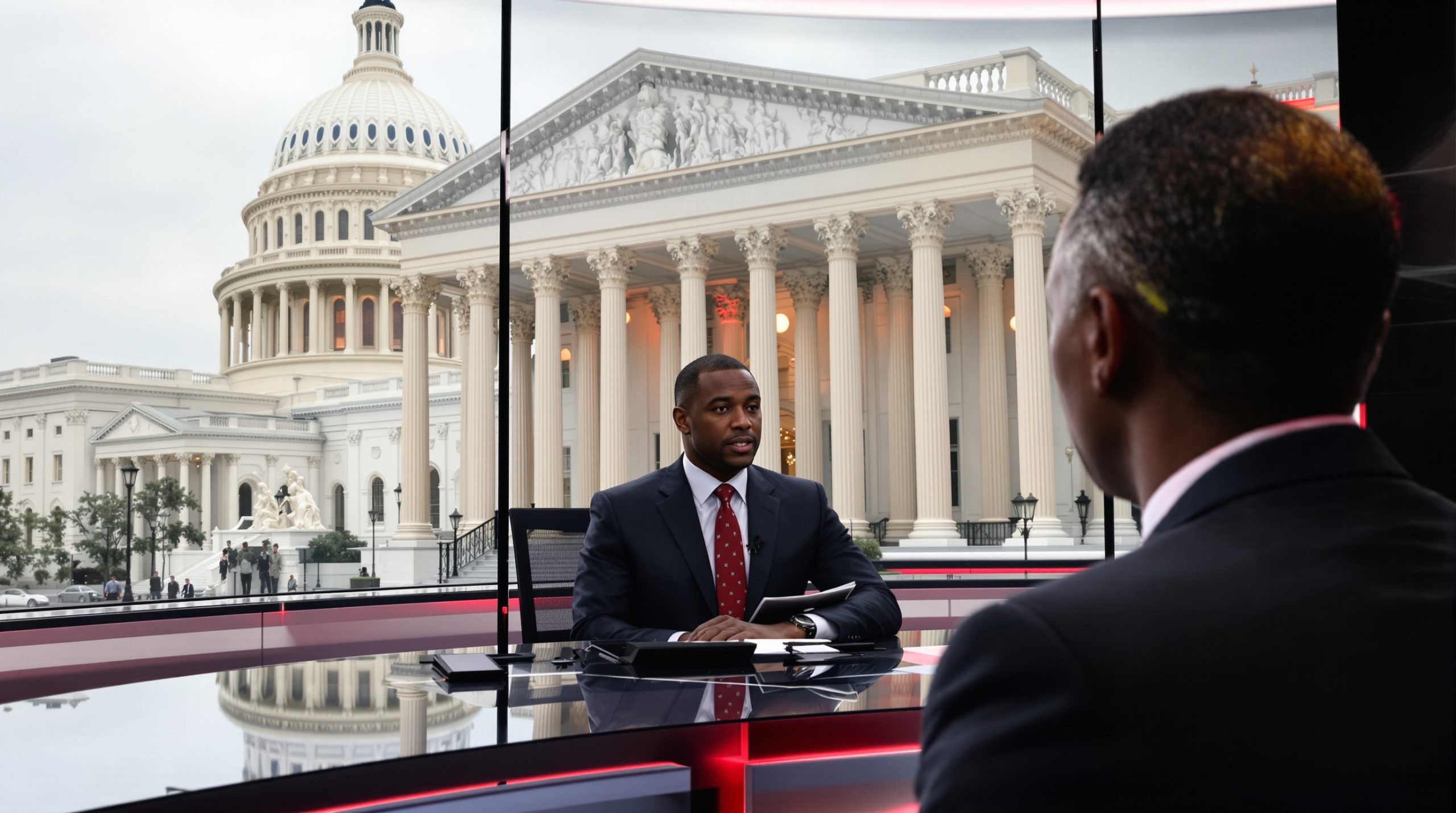
Media framing isn’t just about the headlines—it’s about the angle. It’s how news outlets shape the way audiences see events, issues, or figures. By carefully choosing words, images, and emphasis, these organizations can drastically sway public opinion. For those navigating the tangled web of today’s information, getting a grip on this concept is vital.
What is Media Framing?
Think of media framing as a lens through which information is presented to sway how audiences interpret it. It’s about spotlighting particular facets of reality in a communication setting. This can direct public discourse and shape opinion, often aligning with those pulling the strings.
How Media Framing Impacts Politics
Politics and media framing are practically inseparable. Take the 2020 U.S. presidential election, for instance. Different networks painted the candidates with divergent brushes—some spotlighted economic strategies, while others zeroed in on character traits. This selective highlighting has the power to tilt voter opinions and swing elections. Our article on Trump’s influence in American politics delves into media narratives and their role in sustaining his political clout.
Case Study: Climate Change Reporting
Climate change coverage offers a prime example of media framing’s impact. Studies indicate that some outlets underscore the scientific consensus, while others zero in on economic implications or skepticism. Such varied framing can shape public urgency and the perceived need for action. A study from the Proceedings of the National Academy of Sciences highlighted how media representation significantly affects public comprehension and policy backing.
The Influence of Digital Platforms
Digital platforms have upended traditional information dissemination. Social media algorithms, for instance, crank up content based on clicks and shares, often sending sensational or polarizing pieces viral. This has spawned echo chambers where users are bombarded with repetitive narratives, reinforcing their existing beliefs. For more on how the digital era reshapes political landscapes, check out our take on political maneuvering in U.S. politics today.
Strategies for Critical Consumption
- Diversify your sources: Tap into a variety of news outlets to get a well-rounded view.
- Question narratives: Dig into the motivations behind specific frames and who stands to gain.
- Engage in informed discussions: Chat about media topics with a diverse crowd to expand your perspective.
FAQs
How does media framing differ from bias?
Media bias tilts favor to one side, while media framing is all about presentation. Framing can show up even when bias is absent, though they frequently overlap.
Can media framing be neutral?
Neutral framing? Possible in theory, but tricky in practice. Every communication involves some choice and emphasis, making pure neutrality hard to achieve.
Are there ways to identify media framing?
Watch for language patterns, which topics get prominence, and how headlines are shaped. Cross-referencing multiple sources can also uncover framing differences.
“`
No Comments