




24 May Social Media Algorithms and Political Discourse
The Influence of Social Media Algorithms on Political Discourse
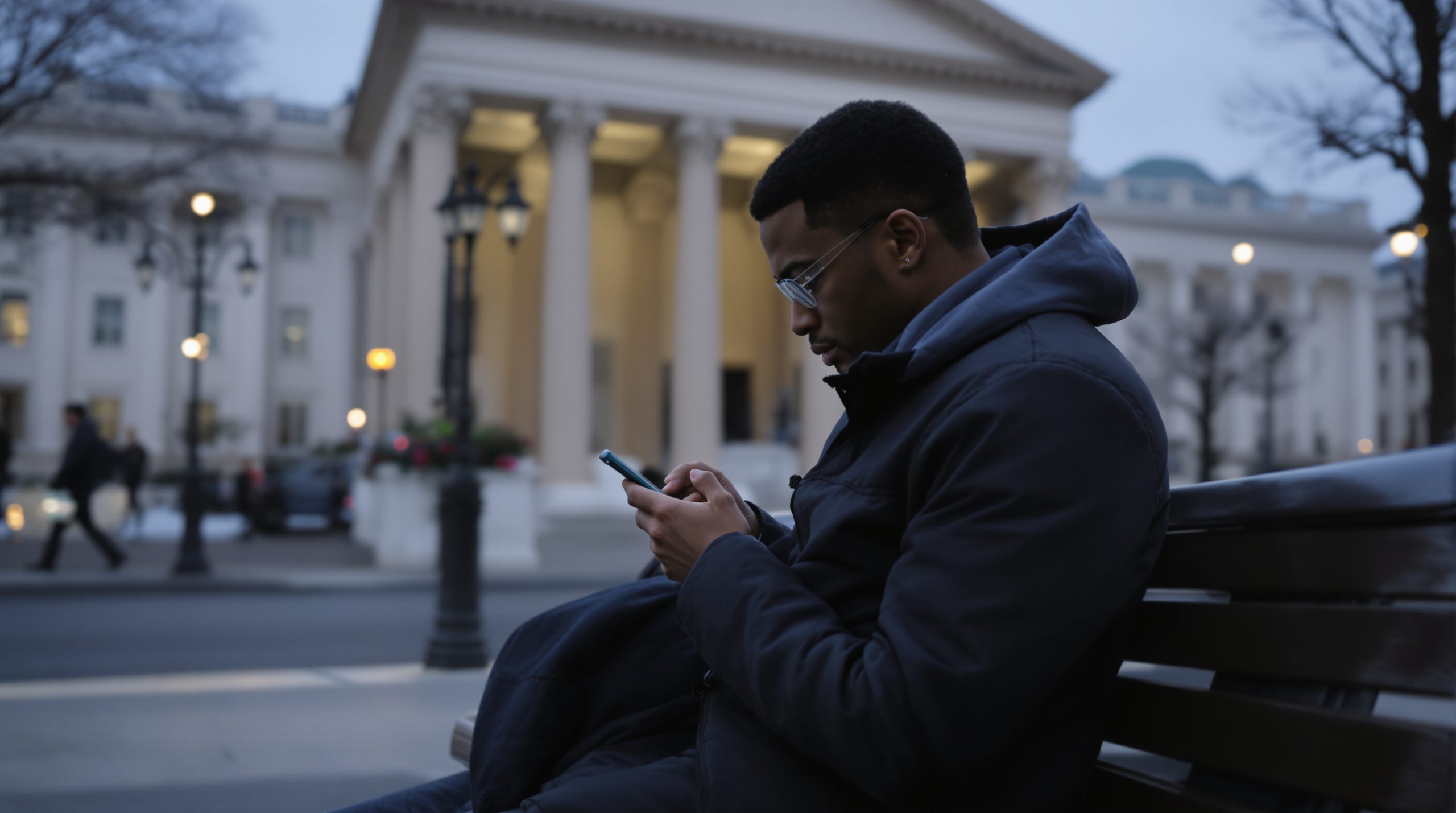
Social media algorithms are game-changers in the political arena, deciding what content hits your screen and grabs your attention. These clever systems chase engagement, often spotlighting content that’s sensational or divisive. The impact? They shape public opinion and political narratives more than you’d think.
A 2022 Pew Research study found that 53% of Americans get their news from social media, “often” or “sometimes.” This reliance highlights just how powerful algorithms are in dictating the flow of information. By elevating specific content types, algorithms can trap users in echo chambers, where they mostly encounter views that mirror their own.
The Mechanics Behind Social Media Algorithms
These algorithms are all about boosting user engagement by feeding content that matches user interests. They dig into data—likes, shares, comments—to foresee what a user might fancy. Yet, this often means amplifying content that’s divisive, because let’s face it, controversial posts tend to draw more attention than plain ones.
Take Facebook’s 2018 algorithm tweak. It aimed to spotlight content provoking “meaningful social interactions.” The hope? Build community. The reality? It supercharged posts that stirred strong emotions, often leaning toward sensationalism.
Implications for Political Campaigns
Political campaigns have gotten wise, optimizing messages to go viral with these algorithmic rules. Recent elections show candidates diving into social media to reach voters directly, sidestepping traditional media. The Texas Senate Primary is a fresh example where savvy social media strategies helped craft the storyline.
This tactic, though, brings worries about misinformation spreading. During the 2020 U.S. Presidential Election, misleading info ran rampant on social media, swaying voters’ opinions and choices. The tricky part is balancing free speech with ensuring users get the straight facts.
Strategies for Promoting Diverse Perspectives
To combat algorithm-driven echo chambers, both platforms and users need to emphasize diverse viewpoints. One method? Broaden your info sources—follow a variety of voices. Pushing for critical thinking and media literacy, too, can help users parse fact from opinion.
Platforms like Purple Voice are on a mission to challenge conventional thinking, offering diverse views and nudging independent thought. By questioning dominant narratives, we can nurture a more informed and lively public discourse.
FAQ
What are social media algorithms?
Social media algorithms are automated systems deciding the content that pops up in user feeds, based on interactions, preferences, and behavior. They’re designed to keep users engaged by showcasing content that echoes their interests.
How do algorithms impact political discourse?
Algorithms sway political discourse by prioritizing posts that spark engagement, often elevating sensational or polarizing content. This can create echo chambers, restricting exposure to a variety of viewpoints and shaping public perception.
What can be done to promote diverse perspectives on social media?
Encouraging diverse perspectives involves following a blend of voices and sources, while platforms should boost transparency and emphasize content that spurs critical thinking. Media literacy education empowers users to assess information quality.
No Comments