







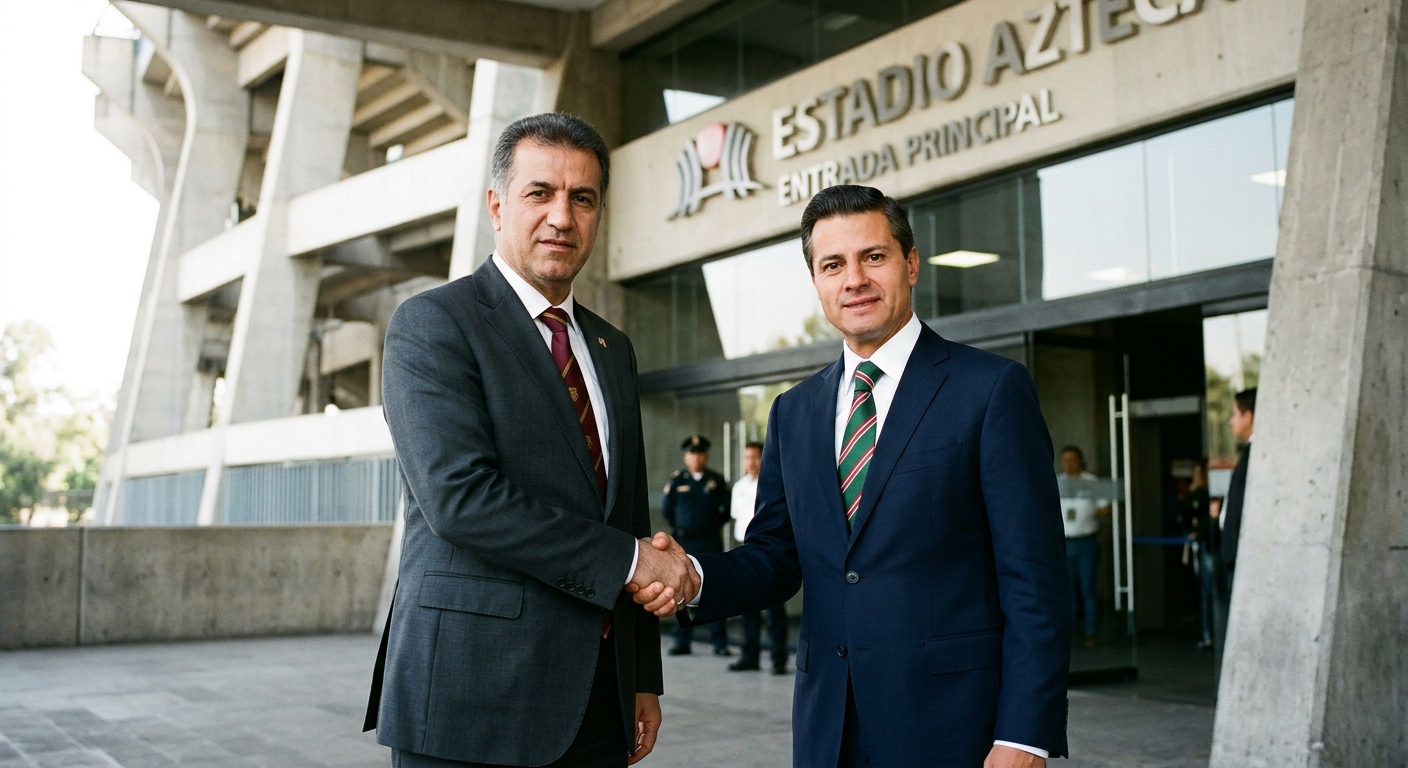
25 May Iran’s FIFA Team and Mexico’s Diplomatic Gesture
“`html
Geopolitical Tensions and Cultural Diplomacy: Iran’s Influence in North America
Recent geopolitical developments illustrate how sports, diplomacy, and international relations intertwine in fascinating ways. Amid continued tensions between the United States and Iran, Mexico has made a striking diplomatic move: offering to host Iran’s FIFA World Cup team. This decision highlights the tricky dance between cultural diplomacy and political loyalty.
Mexico’s Bold Diplomatic Gesture
Mexican President Claudia Sheinbaum announced that Mexico will host Iran’s World Cup team, even as tensions simmer in Iran. While sports often bridge cultures, Mexico’s move shows how soft diplomacy can nurture international goodwill, despite geopolitical strains. A significant step, indeed.
By hosting Iran’s team, Mexico positions itself on the global stage, potentially acting as neutral ground for nations to connect through sport. It could also signal Mexico’s desire for autonomy in international affairs, crafting its own path amid global dynamics.
Simultaneous Complexities in U.S. Policies
On the other side of the border, the United States continues to negotiate its policies concerning Iran. Former President Donald Trump recently shared ideas for handling Iran’s enriched uranium, tying into a proposed peace deal. As the U.S. navigates its nuclear stance, Middle Eastern policies remain a challenge.
Domestically, U.S. immigration policies faced a spotlight when New Jersey Governor Mikie Sherrill was denied entry to an ICE detention center in Newark. This incident raises transparency concerns and questions about detainee treatment, adding layers to the U.S.’s complex domestic and international narratives.
Sports as a Catalyst for Cultural Shifts
Amid these tensions, sports continue to show their power to cross political lines. The Scripps National Spelling Bee, akin to a sporting event for its competitive spirit, unites participants from various backgrounds in a shared quest for excellence.
ESPN’s Mina Kimes, the Spelling Bee’s new host, notes the “big game feel” of the event, likening the preparation and focus required to that of top athletes. This illustrates how cultural events can be common grounds for friendly competition, promoting mutual respect and understanding.
The Broader Implications
As Mexico readies to host Iran’s football team, the broader implications of this cultural diplomacy are many. Using sports as a diplomatic avenue, countries can encourage dialogue and cooperation despite political differences. This approach not only illustrates cultural events’ role in shaping global perceptions but also highlights non-political platforms’ potential in fostering peace.
In today’s world, where information is both plentiful and polarized, these events offer a narrative that cuts through traditional political discourse, urging a fresh look at international interactions.
“`
No Comments