




29 May Strait of Hormuz: Global Tensions and Oil Trade Impact
The Strait of Hormuz: A Geopolitical Flashpoint Escalating Global Tensions
Geopolitical tensions are on the rise, and the Strait of Hormuz is back in the global spotlight. This crucial waterway is stirring the pot of global stability once more. Our special correspondent, Reza Sayah, dives deep into the current dynamics here, shedding light on how the standoff between Washington and Tehran is tangibly influencing the world.
A Blockade with Global Repercussions
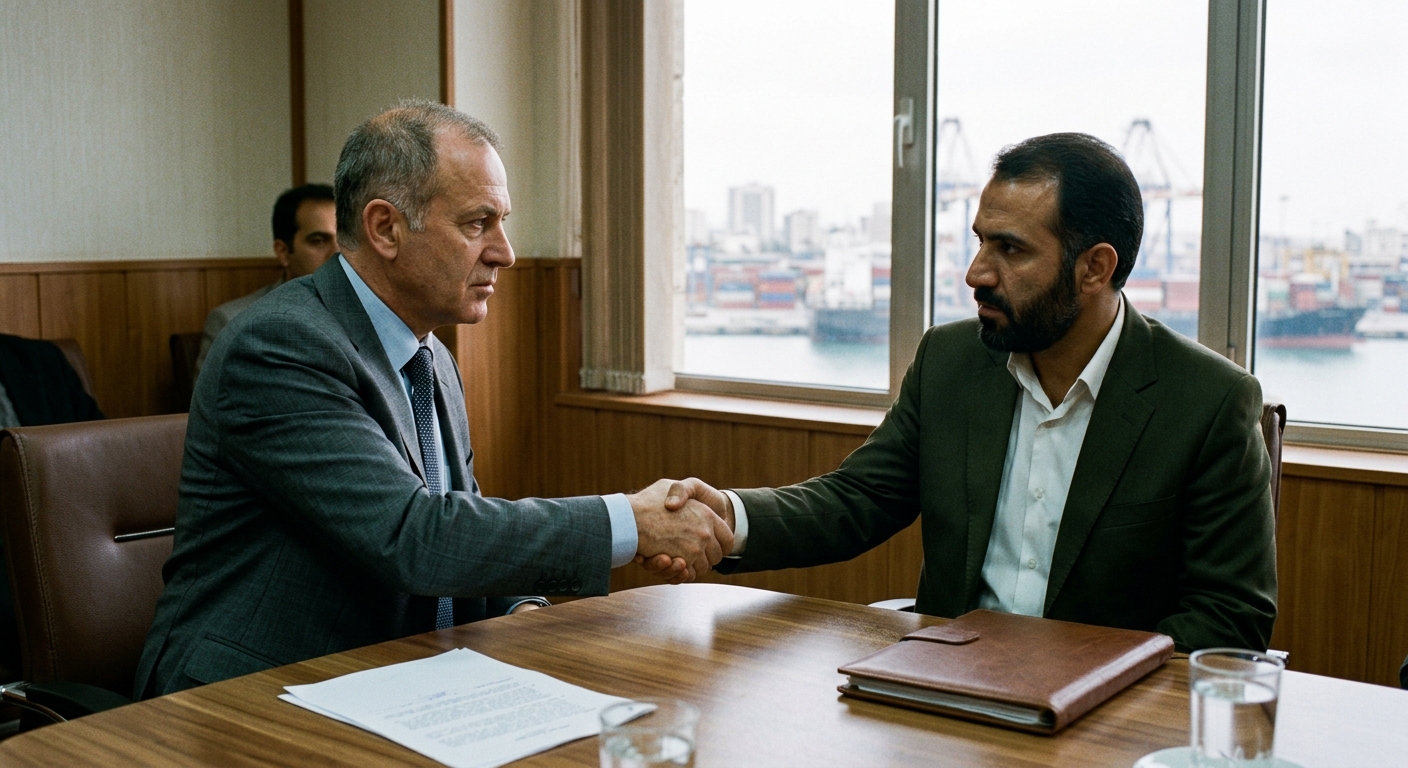
Nestled between the Persian Gulf and the Arabian Sea, the narrow Strait of Hormuz has become a hotspot for conflict, echoing far beyond its shores. For three months now, a standoff between Iranian and American forces has turned this passage into a double blockade. Approximately 1,500 ships and over 20,000 seafarers are caught in the crossfire.
Tehran’s blockade first hit commercial ships tied to nations it deems unfriendly, prompting a swift U.S. naval blockade in response. The United Nations is sounding the alarm over the economic fallout of this maritime stalemate, which is shaking up international shipping routes crucial for oil distribution worldwide.
Implications for Global Markets
Why does the Strait of Hormuz matter so much? It’s the gateway for about a fifth of the world’s oil. Any hiccup here sends shockwaves through global markets, jolting oil prices and causing pain at the pump from Los Angeles to Tokyo.
Stranded ships underscore a grim reality, but the strait’s shallow waters — averaging just 165 feet deep — add to the navigational headaches, complicating any peaceful attempts to untangle this blockade.
Diplomatic Strains and Navigational Challenges
This deadlock on the water mirrors the broader geopolitical strains we’re witnessing, with the Strait acting as a stage for U.S.-Iranian friction. Navigating this tension demands diplomatic skill and international unity to break the impasse and get commerce flowing again through this vital artery.
The U.S. and Iran remain in a cold standoff, but don’t count out the global community. Their role could be key in brokering talks. Through multinational cooperation and neutral mediation, there’s potential to craft a resolution that respects sovereignties while addressing economic needs.
Conclusion
The ongoing standoff at the Strait of Hormuz serves as a stark reminder of how intertwined geopolitics and economics have become. As nations grapple with this blockade’s ramifications, there’s an urgent call for creative diplomacy and earnest dialogue. The world watches Hormuz closely; the lessons learned here might just set the stage for future conflict resolution worldwide.
No Comments