





31 May Media Framing’s Role in Shaping Public Opinion
The Impact of Media Framing on Public Perception
Media framing’s not just about spinning a story; it’s about shaping how we see the world. The way information gets presented can tweak opinions, sway beliefs, and even nudge policy decisions in certain directions. Knowing how media framing works is crucial for navigating today’s tangled web of information.
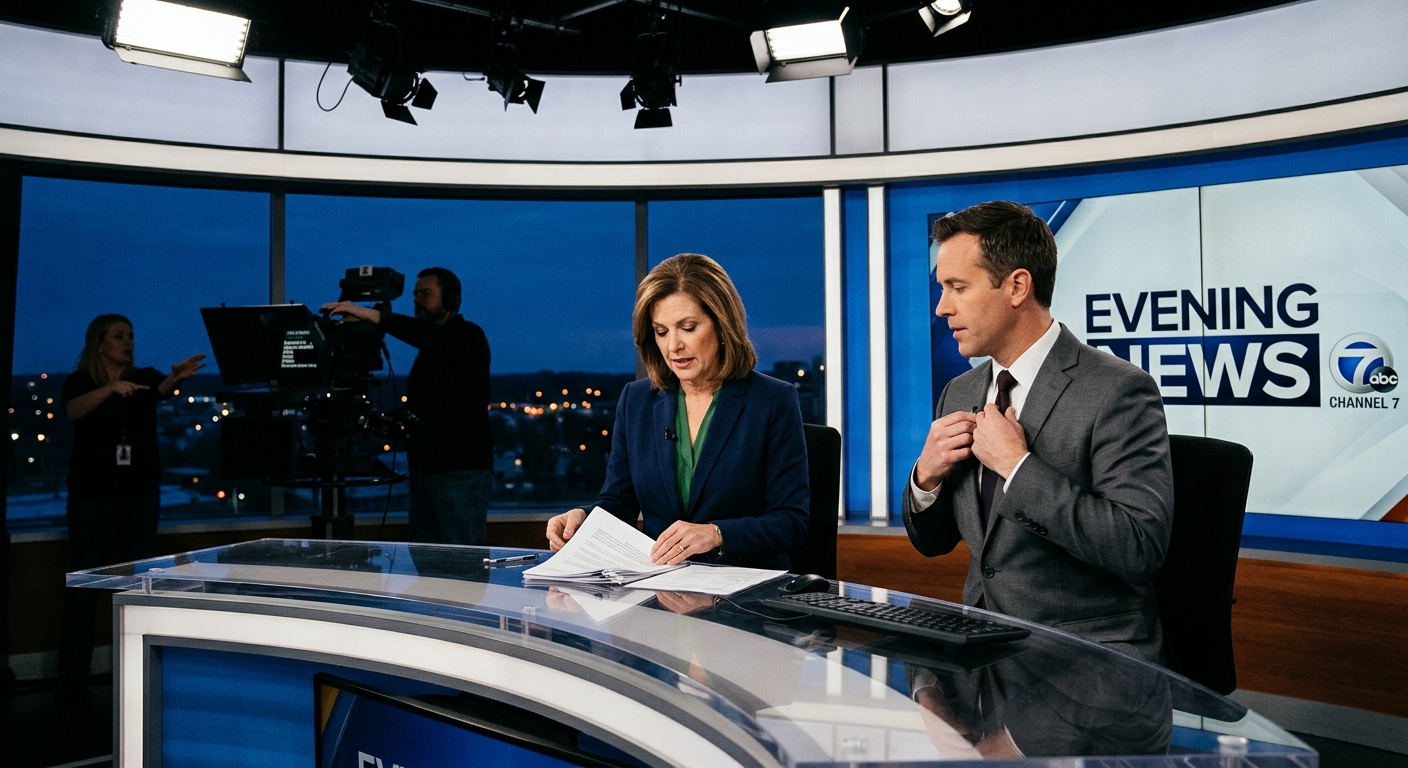
Think about it—media outlets often have their own playbook. They pick certain details to spotlight, crafting a narrative that fits their angle. Take political campaigns, for instance; one outlet might dive deep into policy, while another stirs the pot with personal scandals. This selective storytelling leads to wildly different public takes on the same events.
How Framing Influences Perception
Framing doesn’t just tell a story; it puts certain parts in bold. A study by Sage Journals discovered that public support for policies can hinge on the frame the media chooses. Picture this: framing healthcare reform as a basic human right versus a budget-breaking burden. You’ll get a different public reaction each time.
It doesn’t stop there. Framing also decides whose voice gets heard and whose gets hushed. Minority narratives often find themselves sidelined or totally ignored in mainstream media. This lack of representation skews public perception and policy outcomes, evident in the heated debates around human rights violations at Camp East Montana.
Examples of Framing in Recent Media Coverage
Take a look at how the Los Angeles mayoral race was covered. Depending on the outlet, you might hear all about crime rates or a focus on economic growth. Those choices shape how voters view candidates and their stances.
The story changes again with migrant deaths in DHS custody. Some media highlight the humanitarian aspect, while others zero in on border security. Such frames don’t just inform—they steer public conversation and shape policy priorities.
The Role of Independent Platforms
Enter platforms like Purple Voice. They aim to flip the script by showcasing diverse viewpoints that mainstream outlets might overlook. These platforms help us grasp the complex layers of various issues by providing a more balanced viewpoint.
Independent media breaks through the chatter. It sparks critical thinking and empowers folks to mold their own opinions, untethered from the traditional media framing shackles.
FAQ
What is media framing?
Media framing is the process of presenting information from a specific angle, which shapes public perception.
How does media framing affect public perception?
By emphasizing certain aspects of a story, media framing can sway opinions, shift beliefs, and influence policy decisions.
Why is independent media important?
Independent media challenges mainstream narratives and offers diverse perspectives, promoting critical thinking and informed decision-making.
No Comments