





06 Jun Complexities of Conflict and Communication
Complexities of Conflict and Communication: A Look into Global Strife and Institutional Challenges
Stories from around the world—woven by politics, media, and public perception—shape our understanding of events in powerful ways. Recent occurrences highlight these intricate dynamics and the pressing need to embrace diverse perspectives.
Tragic Incident in Hebron: A Call for Accountability
The shooting of a 7-month-old Palestinian baby in Hebron, as reported by the Palestinian health ministry, sheds light on the devastating human cost of regional tensions. Israeli troops reportedly fired on a vehicle, resulting in the child’s death and injuries to his parents. According to Israeli military sources, the vehicle was viewed as a potential threat, prompting an ongoing investigation.
The British Consulate’s demand for a “transparent investigation and accountability” underscores the global call for clarity and justice. Yet, a historical review from the Israeli rights group Yesh Din presents a bleak picture: only a scant number of complaints against Israeli soldiers proceed to indictments.
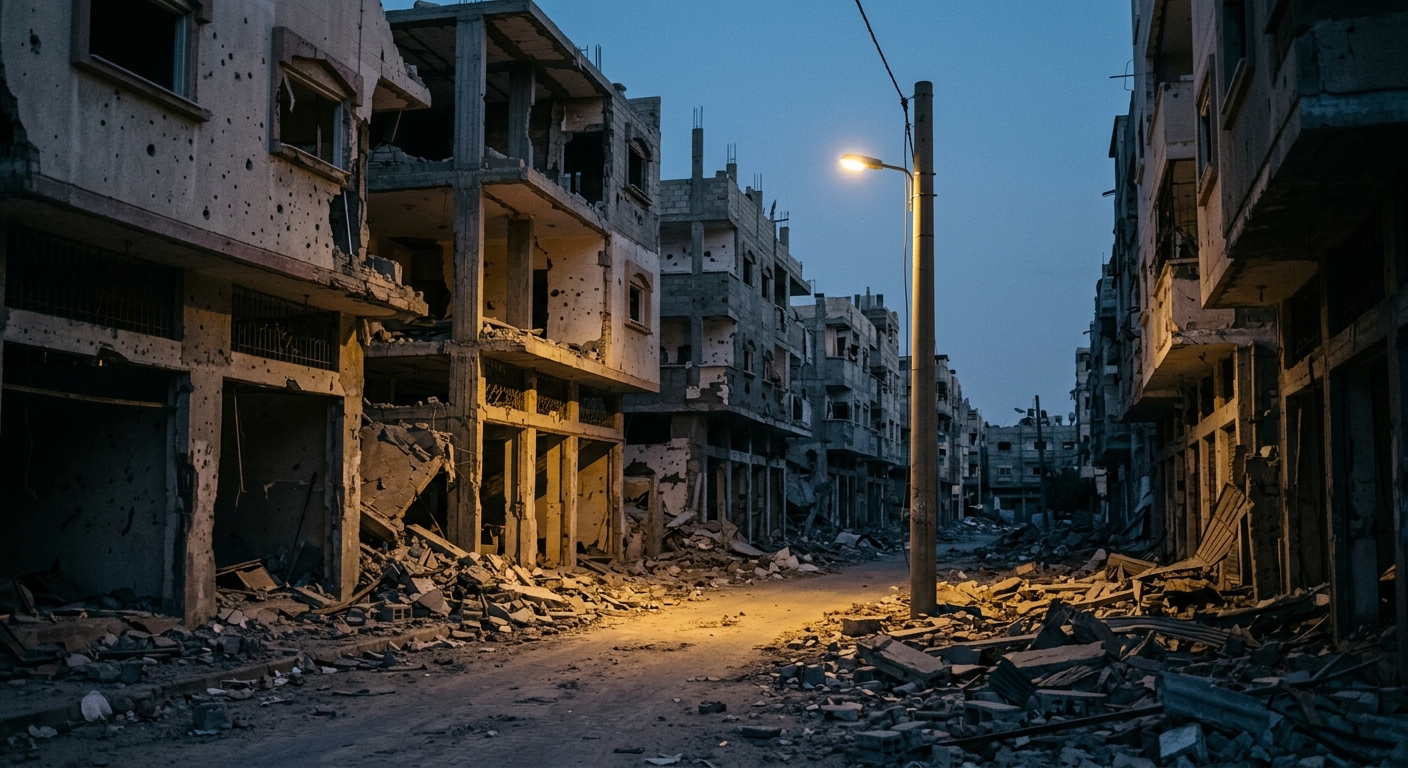
This incident exemplifies the broader Israeli-Palestinian conflict, where overarching narratives often eclipse personal tragedies, leaving justice out of reach. It invites scrutiny into military practices, the call for accountability, and the profound human toll of geopolitical conflict.
Pope Leo XIV and the Reevaluation of Just War Theory
In another realm, Pope Leo XIV has stirred discussions by challenging the traditional justifications for war during a flight interview, particularly criticizing the conflict in Iran as not meeting the criteria of a “just war.” His critique of just war theory points to its insufficiency in addressing the destructive nature of contemporary warfare.
“Dialogue, diplomacy, and forgiveness” are championed as alternatives in the Pope’s encyclical “Magnifica Humanitas,” signaling a pivot towards peace over the perpetuation of conflict.
His stance sharply contrasts with political leaders who leverage just war theory to validate military ventures, spotlighting the friction between religious moral teachings and political strategies. The Pope’s plea for peace resounds amid worldwide conflicts, urging nations to rethink their approaches to conflict resolution.
Forest Service Research Cuts: A Debate on Priorities
On the home front, the U.S. Forest Service’s proposed budget reductions and restructuring underscore the delicate balance between fiscal constraints and the value of environmental research. The planned shutdown of facilities, like the one in Baltimore supporting urban wood recycling, raises alarms over the long-term impact of short-term financial decisions.
“We are prioritizing the fundamentals of managing our national forest for their intended purposes,” articulated Forest Service Chief Schulz. Nonetheless, the potential effects on local efforts such as Camp Small highlight a possible disconnect between national objectives and local innovation.
This situation sparks a broader conversation about the role of government-funded research in promoting sustainable practices while navigating fiscal challenges and environmental responsibilities.
The Broader Picture
These seemingly disparate narratives are linked by a shared theme: the power of narratives and the call for transparent, accountable, and informed decisions. Whether through demands for justice in Hebron, the Pope’s peace advocacy, or debates on environmental research funding, each scenario underscores the ongoing battle to address complex issues in a narrative-driven world.
As these stories unfold, they compel both individuals and institutions to critically assess the information they encounter, striving for a more profound understanding and working towards a just and peaceful global community.
No Comments