




08 Jun Trump’s Claims on California Election Integrity
Trump’s California Election Claims: Unraveling the Narrative
Former President Donald Trump is back at it, stirring the pot with claims about the integrity of California’s ballot counting process. His remarks, made during a recent NBC “Meet the Press” interview, have once again ignited debate over election fraud and transparency. With the political arena already buzzing, Trump’s statements shed light on the power of media framing and political rhetoric in shaping public opinion.
Understanding the Claims
In the interview, Trump called California’s election process “rigged,” pointing to the state’s extended ballot counting as proof. NBC’s Kristen Welker was quick to counter, clarifying that prolonged counting is standard in California, thanks to its mail-in voting system and existing state laws.
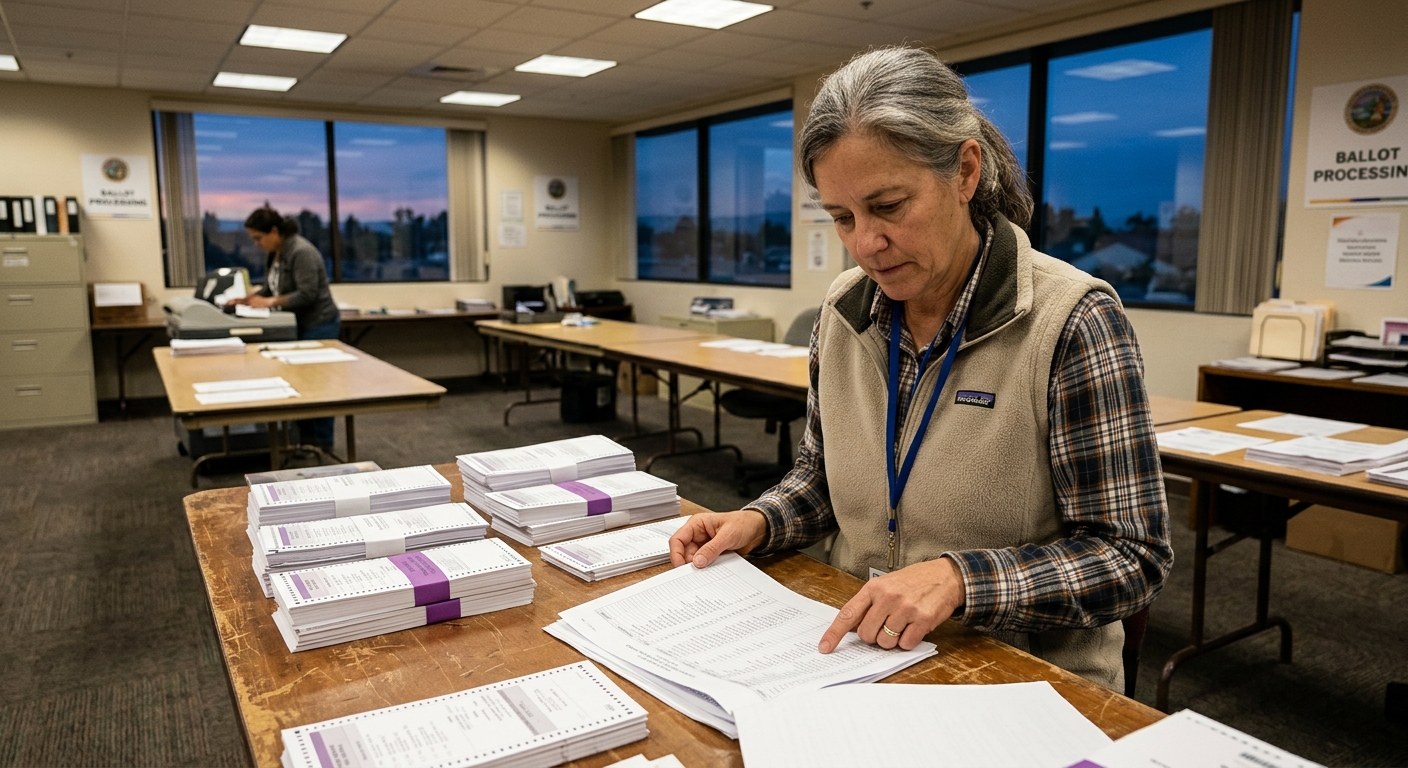
Indeed, as Politifact reveals, California mails ballots to all active voters, with many returning theirs via mail or drop boxes. Counties have until June 15 to count most ballots—a timeline set by state law to ensure mail ballot verification, including signature matching.
“The 2020 election was audited, it was recounted, all court challenges were heard and ruled on, and there was no evidence to dispute the official results,” Tammy Patrick from the National Association of Election Administrators stated, emphasizing the thorough nature of the process.
Media Influence and Public Perception
Trump’s latest exchange with Welker spotlights how politicians use media platforms to push narratives resonating with their supporters. Such interactions underscore the tension between political figures and media outlets, often accused of bias by those they critique. This dynamic can intensify skepticism about the media’s role in democracy and its sway over public opinion.
Even with no substantial evidence backing claims of widespread voter fraud in California, Trump’s comments fit a broader strategy of questioning electoral legitimacy. This tactic not only appeals to his base but also feeds a deep-seated narrative of distrust—a theme that’s persisted in American politics since the 2020 election.
The Role of Election Officials
Figures like Tammy Patrick are essential in debunking myths and clarifying electoral processes. Their expertise and dedication to transparency are key to sustaining public faith in democracy. Patrick highlights that the 2020 election’s repeated audits and recounts have consistently proven the results’ integrity.
The real challenge? Communicating these truths effectively to a public bombarded with conflicting stories. The media’s job in elevating expert voices and giving balanced coverage is crucial to combating misinformation.
Conclusion: Navigating Complex Narratives
The debate over election integrity in California mirrors a larger national conversation. It’s a reminder of the need to understand electoral processes deeply and to scrutinize the stories shaping public perception. As the 2024 elections loom, the dance between media narratives, political rhetoric, and voter trust will undoubtedly play a vital role in shaping the nation’s political future.
No Comments