






12 Jun Trump’s Endorsement Strategy and Its Political Fallout
Trump’s Endorsement Strategy and Its Consequences: A Political Chessboard
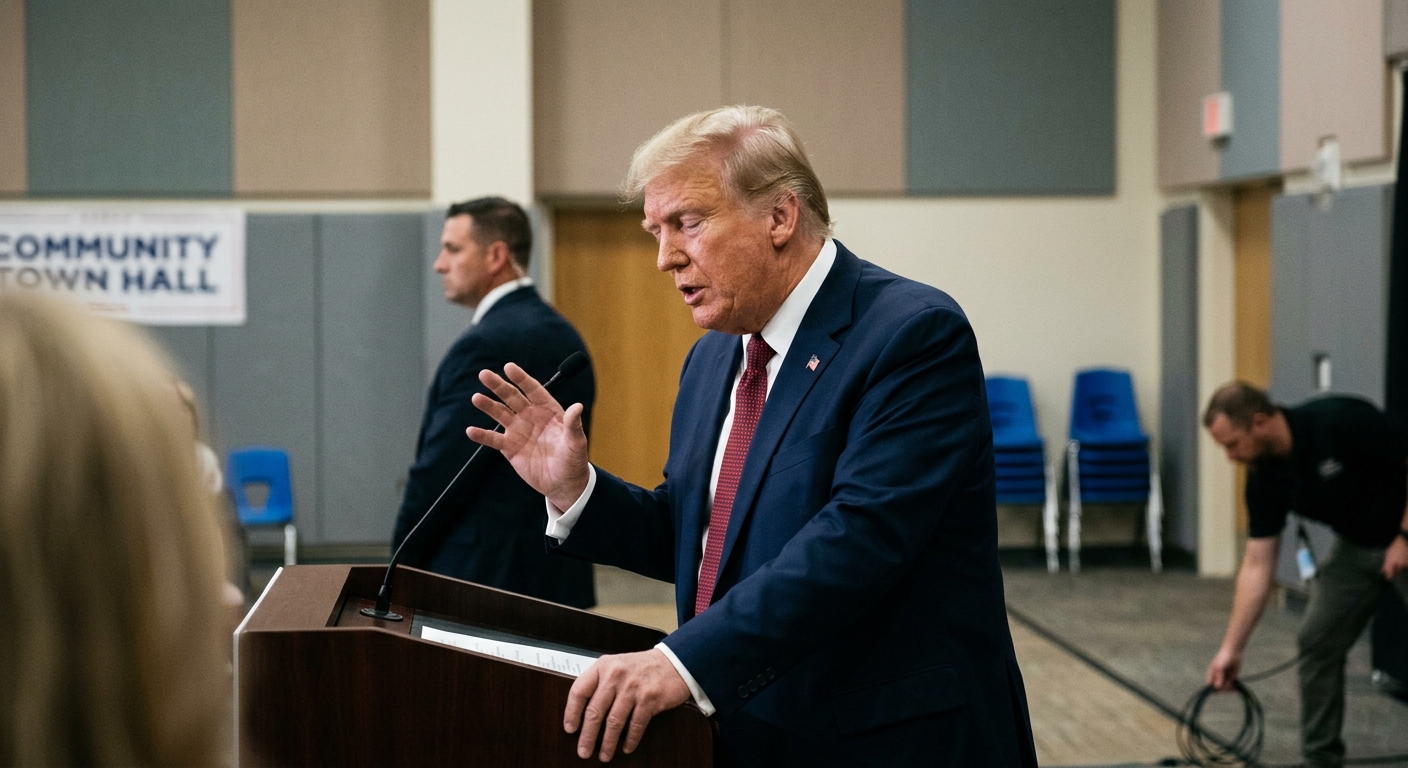
The political scene in the U.S. is anything but static after the midterm elections, with prominent Republicans bracing for potentially rocky times for Donald Trump. Senator John Cornyn from Texas is one voice among many predicting that the next two years might just be the “most miserable” of Trump’s life, thanks to the ripple effects from his midterm endorsement choices.
The Implications of Endorsements
Why is Cornyn so adamant? His perspective is influenced by the midterm results where Trump’s endorsements took center stage. Cornyn’s own loss to Texas Attorney General Ken Paxton, who had Trump’s backing, is a testament to Trump’s sway in the party. Yet, this influence cuts both ways. Rallying a loyal base is one thing, but it risks pushing away moderate Republicans and independents, muddying the party’s broader electoral strategy.
The party’s heavy reliance on Trump’s endorsements ties its success to his political brand—a risky move considering the legal storms and controversies still circling him. The upcoming two years could be fraught with heightened scrutiny and pressure on Trump, especially if internal party rifts emerge over strategic paths forward.
Defense Department Rebranding: A Symbolic Shift
Meanwhile, on the political chessboard’s other side, there’s talk of rebranding for the Defense Department—saying goodbye to its old moniker, the Department of War. This change, initially spearheaded by the Trump administration, edges closer to reality with backing from both Senate panels and House Republicans. Though it might seem like a mere name swap, it signifies a broader shift in military and defense policy discussions—potentially swaying how the public perceives national security issues.
International Perspectives and Domestic Discontent
Elsewhere, across the Atlantic, political frustration bubbles over. In the UK, small-town voters are voicing deep dissatisfaction with the political system, as recent focus groups reveal. There’s a strong desire for change, with some leaning towards radical solutions over traditional figures like Andy Burnham to go up against current Prime Minister Keir Starmer. This reflects a worldwide trend of disillusionment with established political orders and a call for more direct representation and accountability.
Political Strategy and the Path Forward
Amid these changes, figures like Rick Scott are busy navigating their own spheres of influence. Scott’s recent decision to lift holds on Coast Guard promotions resolves a conflict involving a Florida shipbuilder, illustrating how local issues and federal politics often weave together in intricate ways. These moves underscore the careful balancing act politicians face while straddling constituent needs, party dynamics, and national priorities.
The political landscape is undeniably one of significant shifts and challenges. As the Republican Party wrestles with Trump’s endorsement legacy and the broader implications of defense policy rebranding, the road ahead will test their strategic prowess and political flexibility.
No Comments