





14 Jun U.S.-Iran Deal and Its Global Impact
Global Implications of U.S.-Iran Deal Amidst Tensions and Skepticism
The world is abuzz with news of a reported agreement between the United States and Iran to cease hostilities and reopen the crucial Strait of Hormuz. After over three months of conflict, which disrupted global oil flows and pushed international relations to the brink, this development comes as a significant relief. But the reaction isn’t unanimous—geopolitical dynamics in this turbulent region are as complex as ever.
The Agreement’s Potential Impact
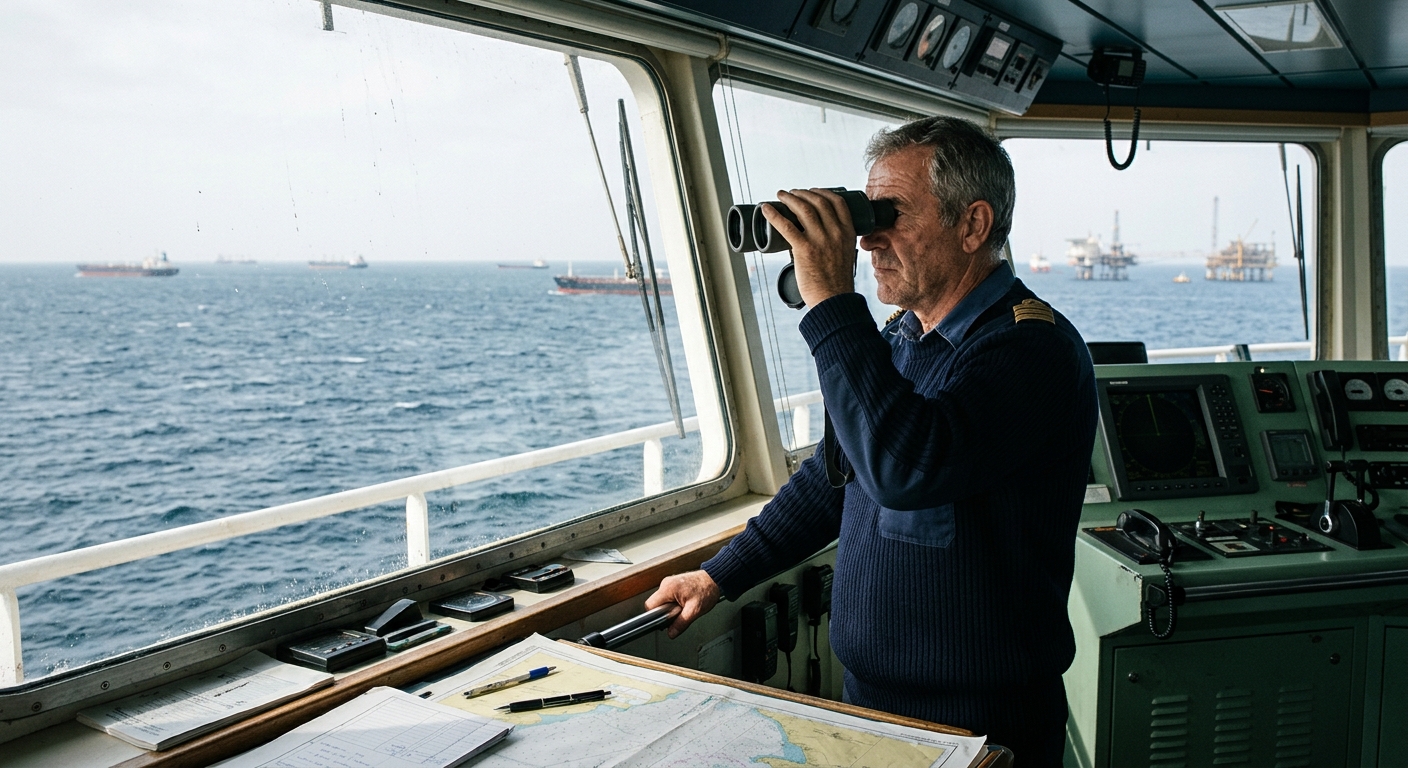
Here’s why the Strait of Hormuz matters: it’s a vital passage for about 20% of the world’s petroleum. Its closure during the conflict wreaked havoc on global oil prices and the economy. Now, with U.S. President Donald Trump confirming the deal, the end of the U.S. naval blockade of Iranian ports might bring some stability to oil markets and offer Iran much-needed economic relief. Still, the agreement’s details are fuzzy, and implementing it could be a bumpy ride.
“Congratulations to all!” President Trump announced on social media, expressing optimism for a return to normalcy. Yet, the lack of specifics has left many wondering what comes next.
Skepticism and Criticism
While Washington radiates positivity, the skeptics are speaking up. House Minority Leader Hakeem Jeffries voiced skepticism, noting that Trump has previously claimed closeness to sealing a deal with Iran “38 or 39 different times.” Some critics suggest this new deal might not offer much improvement over the 2015 Iran nuclear deal, which Trump exited in his first term.
Israel’s response? Far from glowing. Excluded from negotiations, they still view Iran’s missile program and support for proxies like Hezbollah as significant threats. Recent intensified Israeli military actions in Lebanon add another layer of complexity to the regional tension.
Regional and Global Stakes
The U.S.-Iran deal’s ripples extend well beyond the immediate region. Iran had been leveraging the Strait of Hormuz as a tactical pressure point during the conflict, sending shockwaves through global trade and energy security. If military operations truly cease, it could open doors for diplomatic efforts targeting wider regional issues, including those involving Israel and Lebanon.
But don’t hold your breath for quick solutions. The path to peace and stability is riddled with obstacles. The new Iranian supreme leader, Khamenei’s son, has remained out of the public eye since the conflict began, casting shadows on Iran’s political future. Meanwhile, the U.S. administration is walking a tightrope, balancing domestic political pressures with international expectations as it tries to cement the accord.
Conclusion
The tentative agreement between the U.S. and Iran marks a pivotal moment in global diplomacy, with significant implications for regional stability and the global economy. But careful diplomacy and a focus on resolving underlying tensions are crucial as the world watches. The coming developments will test international cooperation’s resilience and the potential for diplomatic solutions in a world of intricate geopolitical challenges.
No Comments