






15 Jun U.S.-Iran Peace Deal: A Step Towards Stability
Initial U.S.-Iran Peace Deal: Hope Amidst Lingering Tensions
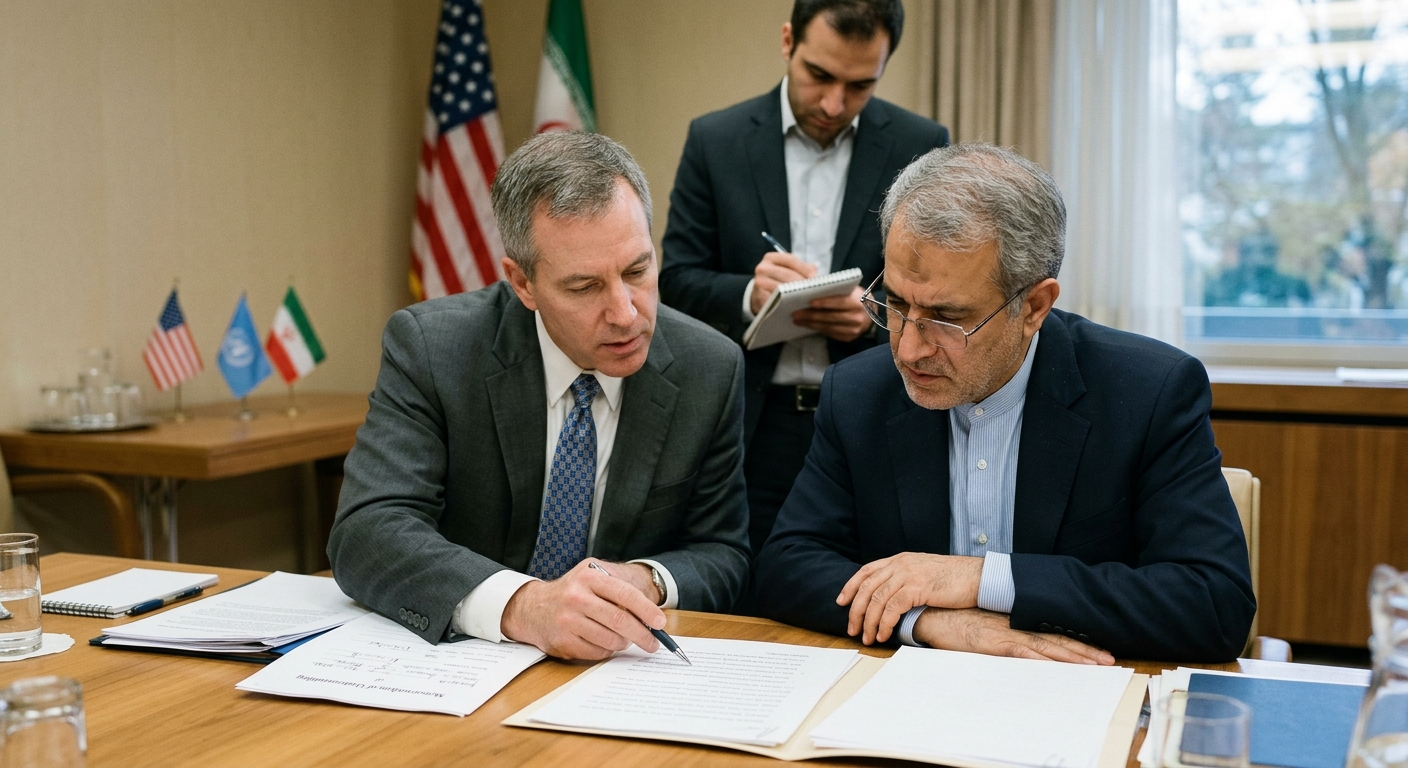
The United States and Iran have scored a breakthrough, reaching a preliminary agreement to extend their ceasefire and reopen the crucial Strait of Hormuz. This step, though tentative, offers a glimmer of hope in a tumultuous region. While the full details remain under wraps, the plan is set for signing at a Geneva ceremony this Friday. But don’t pop the champagne just yet—the deal must overcome hefty geopolitical challenges, not least the simmering tensions with Israel and the thorny issue of Iran’s nuclear program.
Geopolitical Implications of the Strait of Hormuz
The Strait of Hormuz—critical for global oil and natural gas flow—has long been a hotspot in the U.S.-Iran showdown. Its closure, paired with Iran’s maritime offensives and U.S. blockades, has only fueled the global energy crisis, sending fuel prices soaring. The agreement aiming to reopen this essential passageway is promising, yet experts warn that economic stability is months away. Everything hinges on the deal’s official signing, with both sides cautious yet willing to play ball.
Israeli Concerns and Regional Stability
Israel—a wildcard in this diplomatic dance—continues to loom large. Locked in conflict with Hezbollah in Lebanon, Iran demands a halt to these hostilities as part of the peace process. But Israel, focused on its national security, plans to keep its military campaigns on track. Their exclusion from the current pact highlights the complex puzzle that is Middle East peace. This could spell trouble for the delicate progress achieved so far.
Nuclear Negotiations: A Double-Edged Sword
As if regional unrest wasn’t enough, the peace deal also opens a 60-day window to tackle Iran’s controversial nuclear program. The international community—especially the U.S. and Israel—remains skeptical of Iran’s nuclear claims, despite Tehran’s peaceful assurances. The shadow of the 2015 nuclear agreement, abandoned by the Trump administration, hangs over these discussions. Reaching a compromise will be crucial for maintaining this fragile ceasefire and easing U.S. sanctions on Iran.
Broader Context and Future Prospects
It’s a politically charged moment for this peace initiative, with U.S. midterm elections looming and President Trump under pressure to ease Middle Eastern tensions. While this deal is a step forward, its success depends on deft diplomacy and regional cooperation. If it holds, we could see a shift towards greater stability; if not, the region’s volatility could worsen.
The world watches with bated breath as the coming weeks unfold. Whether this agreement serves as a bedrock for lasting peace or crumbles under Middle Eastern geopolitical complexities remains to be seen.
No Comments